माणुसकी आणि अमानवी श्रमाची कल्पना

आजच्या तंत्रज्ञानाच्या युगात जिथे मानवी जीवन अधिक चांगले करण्याचा प्रयत्न होत आहे, तिथेच लार्सन अँड टुब्रो (एल अँड टी) चे अध्यक्ष श्री. एस.एन. सुब्रह्मण्यन यांच्या विधानाने मोठा गोंधळ माजवला आहे. आपल्या कर्मचाऱ्यांना उद्देशून एका व्हिडिओमध्ये त्यांनी ९० तास आठवड्याचे काम आणि रविवारचा त्याग करण्याचा सल्ला दिला. इतकेच नव्हे, तर “पत्नीकडे किती वेळ बघणार?” असा वादग्रस्त प्रश्न विचारत त्यांनी कुटुंब आणि कामाच्या संतुलनाबद्दल त्यांच्या विचारांचे स्पष्ट दर्शन घडवले. हे विधान केवळ चुकीचे नाही, तर अमानवी आहे, ज्यामध्ये कामाला माणसाच्या अस्तित्वाच्या केंद्रस्थानी ठेवले आहे आणि जीवनाचा आनंद, कुटुंबीयांबरोबरचा वेळ, आणि इतर आनंददायी उपक्रम नाकारले आहेत.

मानवतेचा अवमान

९० तास कामाचा आठवडा सुचवणे म्हणजे माणसाला केवळ उत्पादनक्षम यंत्र मानणे होय. अशा विचारसरणीत माणसाचे मूल्य केवळ त्याच्या कामगिरीवर ठरते. जीवन ही केवळ काम करण्यासाठीची यंत्रणा नसून कुटुंब, विश्रांती, सर्जनशीलता आणि समाधानाचा समतोल साधणारी सुंदर गोष्ट आहे.

सततच्या श्रमांमुळे होणाऱ्या मानसिक आणि शारीरिक त्रासांचे परिणाम स्पष्ट आहेत. संशोधनानुसार, अति कामाच्या तणावामुळे हृदयविकार, ताण, नैराश्य आणि इतर गंभीर आजार होऊ शकतात. जागतिक आरोग्य संघटनेनेही जास्त कामामुळे अकाली मृत्यू होण्याचे धोकादायक परिणाम सांगितले आहेत. अशा विधानांमुळे प्रगती होत नाही, तर वैयक्तिक आणि सामाजिक स्तरावर मोठे नुकसान होते.

जीवनाचे एकात्मिक स्वरूप नाकारणे

रविवार आणि कुटुंबीयांसोबत घालवायचा वेळ नाकारणे म्हणजे मानवी अस्तित्वाच्या अनेक पैलूंना नाकारणे होय. कामाबाहेरचे हे क्षण केवळ विश्रांतीचे नाहीत तर सर्जनशीलता वाढवणारे, आत्मशक्ती निर्माण करणारे आणि सामाजिक संबंध दृढ करणारे असतात.

पत्नीकडे बघण्याबद्दलचे विधान केवळ कौटुंबिक नातेसंबंधांचा अवमान करीत नाही, तर नातेवाईकांसोबत असलेल्या संबंधांच्या आनंद आणि जबाबदाऱ्यांनाही दुय्यम मानते. यामुळे माणूस केवळ नोकरीपुरता सीमित होतो आणि त्याचे खरे जीवन जगायचे ध्येय हरवते.

पितृसत्ताक छायांचे दर्शन

श्री. सुब्रह्मण्यन यांनी केलेल्या विधानाचे अजून एक गंभीर मुद्दे म्हणजे त्यातील स्त्री-पुरुष दुजाभावातील पूर्वग्रह. कर्मचाऱ्यांना पुरुष समजून “पत्नीकडे बघण्याचा” उल्लेख करणे हे स्पष्ट करते की महिलांना त्यांनी कामाच्या ठिकाणी दुय्यम समजले आहे. हे विधान मनुस्मृतीच्या जुनाट विचारांशी सुसंगत आहे, जिथे स्त्रियांना केवळ घरगुती जबाबदाऱ्यांपुरते मर्यादित ठेवले गेले आहे.

खरेतर, ते “स्त्रिया त्यांच्या पतीकडे किती वेळ बघणार?” असा प्रश्न सुद्धा विचारू शकले असते पण स्त्रीद्वेषाने पछाडल्याची मानसिकता त्यांच्यामध्ये ओतप्रोत भरलेली असल्याने त्यांनी स्त्रिया घरीच राहाव्यात हे त्याच्यातून ध्वनित होते. तसा विचारला असता, तर त्यांच्या विधानाची हास्यास्पदता आणि मागसलेली मानसिकता उघड झाली असती. स्त्री-पुरुष दुजाभाव नष्ट करण्यासाठी झटणाऱ्या समाजात अशा प्रकारची विधाने केवळ अयोग्यच नाहीत, तर ती अपमानास्पद आणि हानिकारकही आहेत.

कंपन्यांच्या अमानवी वृत्तीचे प्रदर्शन

श्री. सुब्रह्मण्यन यांच्या विधानांचा परिणाम व्यापक आहे. ते अशा मनोवृत्तीचे प्रतीक आहे जी नफ्याला माणसांपेक्षा अधिक महत्त्व देते. अशी विचारसरणी केवळ कर्मचाऱ्यांच्या कल्याणावर परिणाम करत नाही, तर ती संस्थेच्या नैतिकतेलाही हानी पोहोचवते, जिथे कामाचा उद्देश सहकार्याऐवजी शोषण वाटतो.

तसेच, ९० तास कामाच्या आठवड्याची कल्पना उत्पादनक्षमतेबद्दलच्या चुकीच्या समजुतींवर आधारित आहे. संशोधनाने सिद्ध केले आहे की अधिक काम करण्याने अधिक चांगले परिणाम मिळत नाहीत. उलट, कामाचा ताण वाढल्याने चुका होतात, सर्जनशीलता कमी होते आणि कर्मचारी कामापासून दुरावतात. खऱ्या प्रगतीसाठी कामाच्या ठिकाणी वैयक्तिक आणि व्यावसायिक दोन्ही स्तरावर लोकांना फुलण्यासाठी चांगले वातावरण निर्माण करणे गरजेचे आहे. आर्थिक, वैज्ञानिक आणि सामाजिक प्रगती ही जास्त कामाच्या तासांवर अवलंबून नसते. जगातील आर्थिक महासत्ता असलेल्या अमेरिकेची प्रगती नव्या कल्पनांवर, कार्यक्षमतेवर आणि काम-जीवन संतुलनावर आधारित आहे, ९० तासांच्या कामाच्या आठवड्यावर नव्हे, जसे की एस. एन. सुब्रह्मण्यन यांनी चुकीने सुचवले. खरी प्रगती ही सर्जनशीलता आणि चांगल्या जीवनशैलीला प्रोत्साहन देण्यावर आधारित असते, अतिरेकी कष्टांवर नव्हे.

मानवी जीवनाला प्राधान्य द्या

श्री. सुब्रह्मण्यन यांच्या विधानाने झालेला रोष समाजातील बदलत्या मूल्यांचे प्रतीक आहे. हे विधान कामाला सर्वांत महत्त्वाचे स्थान देणाऱ्या अमानवी विचारांचे खंडन करते आणि जीवन व काम यामधील संतुलन राखण्याचा आग्रह धरते. जे नेते याची जाणीव ठेवत नाहीत, ते केवळ त्यांच्या कर्मचाऱ्यांना परके करतातच, पण कालबाह्यही ठरतात.

शेवटी, श्री. सुब्रह्मण्यन यांचे विधान केवळ एका सीईओला न शोभणारे नाही, तर ते आपल्याला सतर्क करण्यासाठी एक इशारा आहे. कामाने माणसांचे जीवन गिळंकृत करण्याऐवजी, माणसांनी कामाचे स्वरूप बदलून ते मानवी कल्याणासाठी वापरणे गरजेचे आहे. चला, आपण असे जग निर्माण करू जिथे काम हे मानवतेसाठी असते, मानवता कामासाठी नव्हे.

Standard

Of Machines and Men: The Dehumanizing Vision of Endless Toil  

In the ceaseless march of industrial progress, where technology promises to alleviate human drudgery, the remarks of Larsen & Toubro (L&T) chairman S.N. Subrahmanyan jar like a discordant note in a symphony of supposed advancement. Addressing employees in a video that has sparked widespread outrage, Mr. Subrahmanyan proposed a grueling 90-hour work week, dismissed the sanctity of Sundays, and trivialized personal relationships with a flippant, patriarchal jest: “How long can you stare at your wife?” His statement is not merely controversial; it is emblematic of a regressive vision that reduces human existence to mechanical toil, disregards gender equity, and undermines the essence of what it means to live a fulfilling life.  

The Commodification of Human Labor  

Mr. Subrahmanyan’s exhortation is rooted in a utilitarian philosophy that views humans as mere components in a vast corporate machine. This ideology champions productivity above all else, stripping away the multidimensional nature of life and reducing individuals to their capacity to labor. It is the apotheosis of “hustle culture,” a modern malady that glorifies overwork while neglecting its devastating consequences.  

Decades of research expose the perils of such relentless labor. The World Health Organization has linked excessive work hours to myriad health issues, from cardiovascular disease to chronic stress. Burnout—a term that once described engine failure—has become a ubiquitous human condition, a lamentable badge of honor in workplaces that equate self-sacrifice with commitment. By advocating a 90-hour work week, Mr. Subrahmanyan champions a model that history and science have repeatedly discredited, one that prioritizes corporate gain over individual well-being and societal harmony.  

Sundays and the Wholeness of Life  

The suggestion that employees forego Sundays is a rejection of the wholeness of human existence. Life’s richness lies in its balance—a mosaic of work, leisure, family, and introspection. Sundays, for many, represent a sacred pause, a time for spiritual reflection, familial bonding, and the pursuit of passions that infuse life with meaning.  

To dismiss this is to deny the inherent need for rest and renewal. The creative spark often kindled during moments of leisure is vital not only to personal fulfillment but also to professional ingenuity. Far from being an indulgence, time away from work is an investment in human potential. Mr. Subrahmanyan’s flippant remark about “staring at one’s wife” trivializes not just marital bonds but the foundational relationships that sustain emotional health and social cohesion.  He’s forgetting that due to Narayan Meghaji Lokhande’s efforts in 1890, workers started getting a weekly holiday on Sunday.

The Patriarchal Undertones  

Equally troubling is the patriarchal assumption embedded in Mr. Subrahmanyan’s rhetoric. By imagining a male-dominated workforce with wives relegated to domestic roles, his remarks resurrect the specter of antiquated gender norms. This worldview not only marginalizes women but also fails to recognize the evolving realities of modern households, where both partners often share professional and domestic responsibilities.  This also echoes the regressive tenets of Manusmriti, an ancient Indian text that relegates women to subservience and confines them to the domestic sphere. Had Mr. Subrahmanyan been genuinely egalitarian in his worldview, he might have posed the inverse question: “How long can women stare at their husbands?”  In a society striving for gender parity, such regressive commentary does more than offend; it undermines decades of progress toward equality and inclusion.  

The Fallacy of Corporate Overreach  

Underlying Mr. Subrahmanyan’s vision is a broader trend of corporate overreach that prioritizes profit over people, treating employees as expendable resources rather than stakeholders in a shared enterprise. Yet, the premise that longer hours yield greater productivity is demonstrably flawed. Research consistently shows that overwork diminishes efficiency, increases errors, and stifles innovation.  

Furthermore, Mr. Subrahmanyan’s remarks betray a profound disconnection from the realities of India’s workforce. Over 90% of employment in India lies in the informal sector, encompassing agriculture and unregulated industries. These workers toil under harsh conditions, often without the protections or privileges afforded to their corporate counterparts. Suggesting that India’s path to development requires more labor from its formal workforce ignores the systemic inequities and entrenched hardships already borne by millions.  

Economic, scientific, and social progress is not tied to excessive work hours. The United States, a global economic leader, thrives on innovation, efficiency, and work-life balance—not a 90-hour work week as wrongly suggested by S.N. Subrahmanyan. True progress stems from nurturing creativity and well-being, not relentless toil.

A Call for Humanity  

The public outcry against Mr. Subrahmanyan’s remarks reflects an evolving societal ethos. Today, there is a growing recognition that the true measure of progress lies not in GDP growth or corporate profits but in the well-being of individuals and communities. As the world confronts crises of mental health, climate change, and inequality, the need for compassionate leadership has never been greater.  

Leaders must embrace a vision of work that enhances, rather than diminishes, life. This means fostering environments that value balance, creativity, and respect for human dignity. It means rejecting the dehumanizing ethos of endless toil and instead celebrating the richness of human experience in all its forms.  

Beyond Machines  

Mr. Subrahmanyan’s comments are not just an affront to common decency; they are a stark reminder of the dangers of unchecked corporate ambition. In a world increasingly dominated by machines, humanity’s greatest challenge is to preserve its essence: the ability to love, to reflect, and to find meaning beyond material achievement.  

As we navigate the complexities of a rapidly evolving society, let us reaffirm our commitment to a future where work serves humanity, not the other way around. Let us envision workplaces that nurture, leaders who inspire, and a culture that honors the full spectrum of human life. Only then can we hope to transcend the dehumanizing vision of endless toil and embrace the profound potential of machines and men working in harmony—not as masters and slaves, but as partners in the grand endeavor of progress.  

-Mahesh Zagade, IAS(rtd)

Standard

‘प्रशासकराज’ च्या कचाट्यात ‘जनतेची सत्ता’

(सौजन्य: हा लेख सरकारनामा या वृत्तपत्राची COVER STORY म्हणून प्रकाशित झाला होता.)

लोकशाही ही “जनतेची सत्ता” असल्याची शासकीय व्यवस्था आहे. अर्थात या व्यवस्थेमध्ये प्रत्येक नागरिकाला दैनंदिनरीत्या प्रशासनात सहभागी होता येणे शक्य नसल्याने त्यांनी निवडून दिलेल्या लोकप्रतिनिधींच्या मार्फत शासन व्यवस्था चालवली जाते. त्याकरिता, देशाचा भौगोलिक आणि लोकसंख्येचा व्याप विचारात घेता केंद्र शासन, राज्य शासन आणि स्थानिक स्वराज्य संस्था अशी सरकारे असण्याची प्रणाली संविधानाद्वारे देशाने अवलंबिली आहे. जनतेच्या दैनंदिन प्रश्नांची जाण स्थानिक नागरिकांना जास्त असते, त्याची सोडवणूक करण्याची निकड त्यांना जास्त असते, शिवाय सदर प्रश्न सोडवणुकीसाठी कोणत्या उपाययोजना करावयाच्या हे त्यांनी ठरविले तर ते अधिक योग्य असा अनुभव असल्याने ७३ व्या आणि ७४ व्या घटनादुरुस्तीअन्वये १९९३ पासून स्थानिक स्वराज्य संस्थांची सरकारे दर पाच वर्षांनी अस्तित्वात येण्याची तरतूद केलेली आहे. त्याचबरोबर संविधानात त्यांना स्थानिक रित्या कोणते विषय हाताळावेत याचे अंतिम अधिकार देण्याचेही निर्देश आहेत. एकंदरीतच शासन व्यवस्था जनतेच्या जवळ असावी म्हणून ग्रामपंचायत, पंचायत समिती, जिल्हा परिषद, नगर परिषद, नगरपालिका, महानगरपालिका अशा लोकप्रतिनिधींनी चालवलेल्या स्थानिक स्वराज्य संस्था निर्माण करण्यात आलेल्या आहेत.

अर्थात सन १९५० मध्ये संविधान लागू केल्यानंतर त्यात अशा संस्था निर्माण करण्याची जबाबदारी राज्य शासनावर टाकण्यात आली होती व त्याप्रमाणे प्रत्येक राज्यातील शासनाने त्यांच्या इच्छेप्रमाणे वेगवेगळे कायदे करून या स्थानिक संस्था चालवल्या होत्या. त्या प्रणालीमध्ये अनेक त्रुटी निर्माण झाल्या. विशेषतः या स्थानिक स्वराज्य संस्थांच्या निवडणुका दर पाच वर्षांनी घेण्याचे बंधन नसल्याने त्यांचा कार्यकाल अनेक वेळा अमर्यादित राहिला आणि त्यामुळे लोकशाहीच्या संकल्पनेलाच बाधा निर्माण झाली. शिवाय, या स्थानिक स्वराज्य संस्थांकडे कोणते विषय असावे याबाबत देखील दुर्लक्ष केले गेले. ७३ व्या आणि ७४व्या घटनादुरुस्तीमुळे स्थानिक स्वराज्य संस्थांचा कार्यकाल पाच वर्षे इतका सीमित करण्यात आलेला आहे व त्यामुळे दर पाच वर्षांनी नवीन लोकप्रतिनिधी निवडून येऊन त्यांनी लोकशाही प्रणाली प्रमाणे कार्यभार पाहणे अनिवार्य केले आहे.

आता, तीन-चार वर्ष झाली अनेक स्थानिक स्वराज्य संस्थांच्या निवडणुका झाल्या नाहीत. यावरून स्थानिक स्वराज्य संस्थेतील लोकशाही बाबत गंभीर प्रश्न निर्माण झालेले आहेत. यामध्ये या स्थानिक स्वराज्य संस्थांच्या निवडणुका खरोखरच पुढे ढकलण्याची गरज होती का आणि गरज असल्यास तसे करणे कायद्यास अनुसरून होईल का? स्थानिक स्वराज्य संस्थांच्या निवडणुका पुढे ढकलल्यामुळे आता प्रशासक राज असल्यामुळे त्याचा सर्वसामान्यांच्या जीवनावर काही परिणाम झालेला आहे का? अशा संस्थांमध्ये लोकप्रतिनिधी च्या गैरहजेरीत नोकरशाहीचे योगदान काय? यावर थोडक्यात प्रकाश टाकूया.

लोकांचे शासन अव्यहातपणे चालू राहावे हा लोकशाहीचा गाभा आहे. संविधानातील तरतुदीनुसार सर्व स्थानिक स्वराज्य संस्थांचा कार्यकाल हा पाच वर्षे इतका सीमित करण्यात आलेला आहे. त्यामध्ये आणखी एक महत्त्वाची तरतूद अशी आहे की या संस्थांचा कार्यकाल संपण्याच्या दिवसाच्या एक दिवस अगोदर नवीन बॉडी निवडणुकाद्वारे निवडून येऊन अस्तित्वात आली पाहिजेच. म्हणजेच संविधानाने हे विहित केले आहे की कोणत्याही परिस्थितीत या स्थानिक स्वराज्य संस्थांचा कार्यकाल पाच वर्षापेक्षा जास्त असणार नाही आणि एक दिवसही प्रशासक असेल अशी परिस्थिती निर्माण होणार नाही.(आता त्यामध्ये काही कारणास्तव या संस्था पाच वर्षांच्या अगोदरच भंग करण्याची गरज पडली तर सहा महिन्याच्या आत निवडणुका घेऊन पाच वर्षाच्या उर्वरित कालावधीसाठी ती संस्था अस्तित्वात येईल). या तरतुदीनुसार राज्य शासन, केंद्र शासन अथवा कोणतेही न्यायालय स्थानिक स्वराज्य संस्थांच्या निवडणुका पुढे ढकलू शकत नाहीत किंवा त्यांच्या निवडणुकांवर न्यायालयेही स्थगिती देऊ शकत नाहीत. जर निवडणुकावर स्थगिती आणावयाची झाल्यास केवळ संविधानामध्ये बदल करूनच ते शक्य होईल. आता गेले तीन-चार वर्ष मागासवर्ग प्रवर्गाच्या आरक्षणाबाबत काही न्यायालयीन प्रकरणे तयार झाल्यामुळे या निवडणुकांना सर्वोच्च न्यायालयाने स्थगिती दिल्याने त्यांच्या निवडणुका झालेल्या नाहीत. अर्थात संविधानात दुरुस्ती केल्या खेरीज सर्वोच्च न्यायालयाने अशी स्थगिती का दिली हा मोठा प्रश्न निर्माण होतो. सर्वोच्च न्यायालयास संविधानात बदल केल्याशिवाय निवडणुकांना स्थगिती देणे याबाबत अधिकार आहेत का हा प्रश्न जनतेने विचारलेला नाही. एकंदरीतच कोणत्याही परिस्थितीत पाच वर्षाच्या कार्यकाळानंतर स्थानिक स्वराज्य संस्थांची नव्याने निवडणुकाद्वारे बॉडी अस्तित्वात येणे हे संविधानामध्ये अपेक्षित केलेले आहे व आता गेले तीन-चार वर्ष निवडणुका झाल्या नसल्याने हा एक मोठा घटनात्मक पेचप्रसंग निर्माण झालेला आहे.

ज्या स्थानिक स्वराज्य संस्थांमध्ये निवडणुका न झाल्याने तेथील वरिष्ठ अधिकाऱ्यांना “प्रशासक” म्हणून सर्वाधिकार देण्यात आलेले आहेत. मुळात, जनतेने त्यांचे प्रतिनिधी म्हणून नगरसेवक अथवा ग्रामपंचायत आणि अन्य सदस्य निवडून दिलेले असतात आणि त्यांच्या मार्फत या संस्थांचा सर्व कारभार चाललेला असतो. हे लोकप्रतिनिधी जनतेला जबाबदार असतात. आता, जनतेला प्रशासकीय यंत्रणा जबाबदार असणे असे अपेक्षित आहे. जर प्रशासकीय यंत्रणा इतकी संवेदनक्षम असती तर लोकशाहीची आवश्यकताच नव्हती. पण प्रशासकीय यंत्रणा ही मनमानेल तसे काम करू नये म्हणून त्यावर लोकप्रतिनिधींचा वचक असावा असे अभिप्रेत आहे. प्रशासकांच्या कालावधीमध्ये आता नागरिक आणि स्थानिक स्वराज्य संस्था यांच्यामध्ये निश्चितपणे दुरावा निर्माण झालेला आहे. त्याचबरोबर नागरिकांचे स्थानिक प्रश्न काय आहेत आणि त्यावर उपाय योजना काय आहे हे सामूहिकरित्या लोकप्रतिनिधी प्रशासना समोर ठेवून त्यावर ज्या उपाययोजना राबविण्यासाठी प्रयत्न करीत असतात ते आता राहिलेले नाही. हे सर्व आता नोकरशाहीच्या हाती गेलेले आहे. या नोकरशाहीवर आता केवळ राज्य शासनाचे सचिव आणि त्यांचे मंत्री यांचे “दूरचे” नियंत्रण असून हे नियंत्रण दैनंदिन नसल्याने स्थानिक प्रशासकीय यंत्रणा स्वैरपणे  उधळण्याची शक्यता नाकारता येत नाही. जर राज्य शासनाकडून व्यवस्थित दैनंदिन नियंत्रण झाले नाही तर दुसऱ्या शब्दात प्रशासक हे हुकूमशाहीच्या जवळपास जाण्यासारखी यंत्रणा होते कारण तेच स्वतः आयुक्त, तेच स्वतः इतर अधिकारी कर्मचाऱ्यांवर नियंत्रण करणारी सत्ता, तेच चेअरमन समित्या, तेच महापौर आणि एकंदरीतच तेच सर्वेसर्वा अशी लोकशाहीची विसंगत असलेली इकोसिस्टीम अस्तित्वात येते आणि हे लोकशाही प्रणालीला मारक आहे. त्यामुळे संविधानाने स्थानिक स्वराज्य संस्थांच्या मार्फत नागरिकांना दिलेली लोकशाही “प्रशासकराज” मध्ये पूर्णपणे काढून घेण्यात आली असे होते. यामध्ये नागरिकांना लोकशाहीचे फायदे यापासून वंचित ठेवले जाते.

स्थानिक स्वराज्य संस्थांमध्ये निवडणुका न झाल्यामुळे लोकप्रतिनिधीशिवायचे प्रशासकराज आहे. त्याबाबत नोकरशाहीची भूमिका काय असते हे देखील पाहणे गरजेचे आहे. वास्तविकता जेव्हा लोकप्रतिनिधी नसतात त्यावेळेस नोकरशाहीची जबाबदारी ही वाढलेली असते आणि नागरिकांशी संवाद साधण्यासाठी, त्यांचे प्रश्न समजावून घेण्यासाठी, त्याची सोडवणूक करण्यासाठी आणि एकंदरीतच लोकप्रतिनिधींची अनुपस्थिती नागरिकांना जाणू नये म्हणून संवेदनक्षम रीतीने अतिरिक्त व्यवस्था तयार करणे हे नोकरशाहीचे कर्तव्य आहे. जर याबाबतीत सध्या काय घडत आहे याचा कानोसा घेतला तर दिसून येते की प्रशासक कालावधीत नागरिकांना अशा सुविधा उपलब्ध करून देण्यास नोकरशाहीस पूर्णपणे अपयश आलेले आहे. नोकरशाहीवर जो लोकप्रतिनिधींचा वचक असतो तो आता संपुष्टात आल्यामुळे नागरिकांना त्यांच्या प्रश्नांची सोडवणूक करून घेण्यासाठी आणखी मोठी आव्हाने निर्माण झालेली आहेत. लोकप्रतिनिधी नोकरशाहीला कामे करू देत नाहीत, दबाव आणतात असा सर्वसाधारण कांगावा आढळून येतो. गेले तीन-चार वर्ष लोकप्रतिनिधी नसताना त्यांचा दबावांच्या अभावी नोकरशाने खरोखरच चांगले काम केले आहे का ह्याचा लेखाजोखा घेतला तर दिसून येते की परिस्थिती आणखी ढासळलेली आहे. उदाहरणादाखल पिण्याच्या पाण्याचे प्रश्न, रस्त्यावरील खड्डे, वाहतूक समस्या, स्वच्छता, अतिक्रमणे, आरोग्य विषयक समस्या यांची सोडवणूक होणे दुरच तर त्या समस्यांचे गांभीर्य वाढले गेल्याचे दिसून येते. त्यामुळे, स्थानिक स्वराज्य संस्था मार्फत लोकशाही स्वरूपाची जी व्यवस्था होती ती नसेल आणि केवळ प्रशासकराज असेल तर ते हुकूमशाही सापेक्ष असू शकते असा सुद्धा अनुभव काही नागरिकांना आल्याचेही ऐकण्यात येते.

एकंदरीतच, संविधानातील तरतुदी प्रमाणे तातडीने स्थानिक स्वराज्य संस्थांच्या निवडणुका होऊन लोकप्रतिनिधी मार्फत ही लोकशाही व्यवस्था चालवण्यासाठी निवडणुका घेणे हे आवश्यक आहे हे निश्चित.

-महेश झगडे, IAS (नि)

Standard

२०२४ ला निरोप देताना.

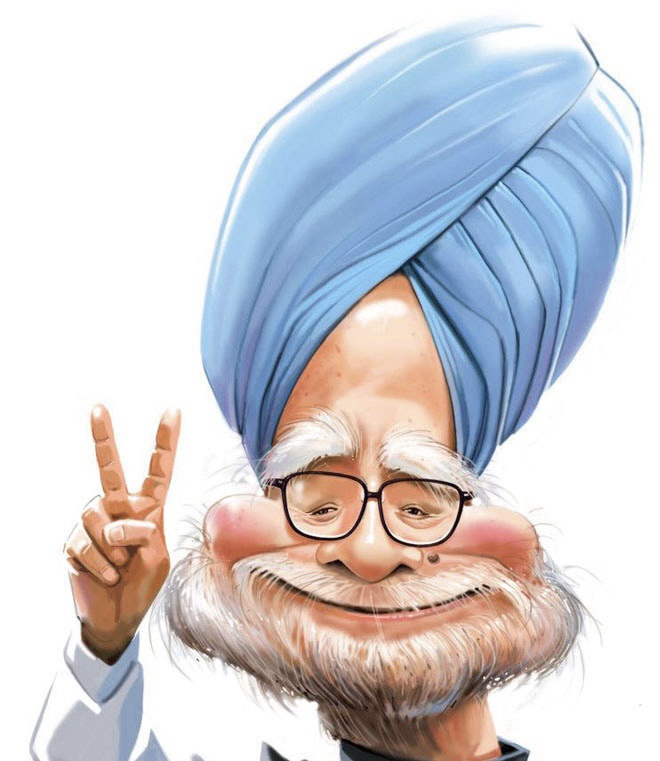
२०२४ हे वर्ष संपत असताना, जग दोन विलक्षण व्यक्तींच्या जाण्यामुळे हळहळ करीत आहे.  डॉ. मनमोहन सिंग, एक थोर अर्थतज्ज्ञ आणि दूरदृष्टी असलेले राज्यकर्ते, आणि जिमी कार्टर, शांततेचे जागतिक प्रतीक आणि साधेपणाचे मूर्तिमंत उदाहरण, या दोघांनीही वर्षाच्या शेवटच्या आठवड्यात आपला देह ठेवला. त्यांच्या जीवनाने दाखवलेले आदर्श आजही तितकेच महत्त्वाचे आहेत जितके त्यांच्या जीवनकाळात होते.

डॉ. मनमोहन सिंग — एक शैक्षणिकदृष्ट्या प्रगल्भ अर्थतज्ज्ञ आणि दृष्टीसंपन्न नेते — अत्यंत सामान्य परिस्थितीतून उभे राहिले. फाळणीच्या गदारोळात जन्मलेले, त्यांनी पंजाबच्या वाळवंटातून कॅम्ब्रिज विद्यापीठाच्या नामांकित प्रांगणापर्यंतचा प्रवास केला. एक असामान्य विद्वान म्हणून, त्यांनी भारताच्या आर्थिक स्वप्नांचा भार आपल्या कुशाग्र बुद्धिमत्तेवर उचलला. १९९० च्या दशकाच्या सुरुवातीस भारताच्या आर्थिक सुधारणांचे शिल्पकार म्हणून त्यांनी देशाला जागतिक आर्थिक शक्तीमध्ये रूपांतरित केले. तरीही, त्यांच्या सर्व यशानंतरही, डॉ. सिंग यांचा स्वभाव अतिशय साधा आणि नम्र राहिला. जगातील सर्वात मोठ्या लोकशाहीच्या पंतप्रधान पदावर असूनही, त्यांनी नेहमीच सामान्य माणसासारखी वागणूक ठेवली, आपल्या पदाचा दिखाऊपणा टाळला.

दुसरीकडे, जिमी कार्टर, अमेरिकेचे ३९वे अध्यक्ष, यांनी शांततेसाठी आणि मानवतेसाठी स्वतःला वाहून घेतले. जॉर्जियामधील प्लेन्स या छोट्या गावातील भुईमूग  शेतकरी ते जगातील सर्वात शक्तिशाली पदावर पोहोचण्याचा त्यांचा प्रवास त्यांचा दृढनिश्चय आणि मूल्यांवरील निष्ठेचा पुरावा आहे. अध्यक्षीय कारकीर्दीतील आव्हानांनाही त्यांनी शांततेसाठीच्या त्यांच्या प्रामाणिक प्रयत्नांनी प्रतिसाद दिला — मग ते कॅम्प डेव्हिड करार असो किंवा मानवी हक्कांसाठीचे समर्थन असो. पद सोडल्यानंतरही, मानवी सेवेसाठी त्यांची असामान्य बांधिलकी सर्वांपेक्षा वेगळी ठरली, ज्यामुळे त्यांना २००२ साली नोबेल शांतता पुरस्कार प्रदान करण्यात आला.

जरी त्यांचे मार्ग भिन्न होते, तरीही त्यांच्या जीवनामध्ये एक समान धागा होता — साधेपणा आणि त्यांच्या मुळांशी जोडलेली नाळ. डॉ. सिंग आपल्या शांत आणि सभ्य वागणुकीमुळे सामान्य माणसाशी तितक्याच आत्मीयतेने संवाद साधायचे जितक्या सहजतेने जागतिक नेत्यांशी बोलायचे. जिमी कार्टर, आपल्या साधेपणासाठी प्रसिद्ध, टी-शर्ट घालून व्हाइट हाऊसमध्ये हजर राहायचे, जे त्यांच्या मातीशी जोडलेल्या स्वभावाचे प्रतीक होते. या दोघांनीही आपल्या पदाचा दिखावा न करता, सेवेला आणि साधेपणाला प्राधान्य दिले.

कार्टर यांच्या जीवनातील एक कमी परिचित पण प्रेरणादायक गोष्ट म्हणजे त्यांची आई, लिलियन कार्टर. प्रशिक्षित परिचारिका आणि मानवतेसाठी समर्पित असलेल्या लिलियन यांनी मुंबईतील धारावी झोपडपट्टीत काही काळ सेवा केली, ही सेवा गाजावाजा न करता केली गेली. हा परोपकारी भाव कार्टर कुटुंबाच्या मूल्यांमध्ये खोलवर रुजलेला होता — एक मूल्य ज्याचे पालन जिमी कार्टर यांनी संपूर्ण जीवनभर केले.

त्यांच्या वारशाचा विचार करताना, त्यांच्या साध्या सुरुवाती आणि त्यांनी गाठलेल्या विलक्षण उंची यातील तीव्र विरोधाभास जाणवतो. डॉ. सिंग, शैक्षणिक कष्ट आणि आर्थिक न्यायासाठी अढळ वचनबद्धता यांचे प्रतीक, आणि कार्टर, शांततेचे आणि मानवी करुणेचे प्रतीक, या दोघांनीही दाखवले की खरे नेतृत्व तामझामात नाही, तर प्रामाणिकपणात आहे; शक्तीमध्ये नाही, तर हेतूमध्ये आहे.

त्यांचे जीवन आपल्याला महानतेच्या व्याख्या पुन्हा दृढ करायला लावतात. नाटकीपणा आणि तकलादू  गोष्टींनी व्यापलेल्या काळात, सिंग आणि कार्टर आपल्याला स्मरण करून देतात की सन्मान, नम्रता आणि व्यापक हितासाठी समर्पण हीच खऱ्या नेत्यांची लक्षणे आहेत. त्यांनी त्यांच्या योगदानांमुळे जग समृद्ध केले आणि पुढील पिढ्यांसाठी एक आव्हान ठेवले: प्रामाणिकपणे नेतृत्व करा, नम्रतेने सेवा करा आणि मानवतेला उन्नत करणारी वारसा निर्माण करण्यासाठी प्रयत्न करा.

या दोन दिग्गजांना निरोप देताना, त्यांच्या जाण्याने त्यांच्या प्रकाशाचा कधीच विसर पडणार नाही. तो त्यांच्या तयार केलेल्या धोरणांमध्ये, त्यांनी स्पर्श केलेल्या जीवनांमध्ये आणि त्यांनी जपलेल्या आदर्शांमध्ये जिवंत राहतो. त्यांच्या स्मरणार्थ, आपण त्यांचे जपलेले मूल्य टिकवून ठेवण्यासाठी प्रयत्न करूया, जेणेकरून त्यांच्या असामान्य वारशाने पुढील पिढ्यांना प्रेरित करणे सुरूच राहील.

-महेश झगडे, IAS(नि)

Standard

Bidding adieu to 20204.

As the year 2024 draws to a close, the world finds itself bereaved of two extraordinary figures who graced their respective spheres with rare leadership, humility, and an indomitable spirit. Dr. Manmohan Singh, a statesman of towering intellect and academic brilliance, and Jimmy Carter, a global emblem of peace and simplicity, departed from this mortal realm in the last week of the year. Each of these luminaries leaves behind a legacy unparalleled in its essence, embodying virtues that remain as vital today as they were during their lifetimes.

Dr. Manmohan Singh—an academically accomplished economist and a visionary statesman—emerged from the humblest of beginnings, embodying the resilience of a geologically displaced soul. Born amidst the turmoil of partition, he traversed the arduous path from the dusty plains of Punjab to the esteemed corridors of Cambridge University. A scholar of exceptional merit, he carried the weight of India’s economic aspirations on his erudite shoulders. As the architect of India’s economic liberalization in the early 1990s, he engineered reforms that altered the trajectory of a nation, transforming it into a global economic force. Yet, for all his accomplishments, Dr. Singh’s demeanor remained strikingly unassuming. As Prime Minister of one of the world’s largest democracies, he epitomized the virtues of humility, often carrying himself with the quiet grace of a commoner rather than the grandeur of his office.

In a parallel sphere stood Jimmy Carter, the 39th President of the United States, whose life and work radiated a profound commitment to peace and human dignity. Born to modest beginnings as a peanut farmer in Plains, Georgia, Carter’s ascension to the most powerful office in the world was a testament to his steadfast resolve and the strength of his convictions. His presidency, though marked by challenges, was defined by his relentless pursuit of peace—be it through the historic Camp David Accords or his unwavering advocacy for human rights. Even after leaving office, Carter’s dedication to humanitarian causes set a gold standard for post-presidential life, earning him the Nobel Peace Prize in 2002.

Despite their distinct paths, the lives of these two giants were bound by a common thread of informality and an abiding connection to their roots. Dr. Singh, with his signature turban and soft-spoken demeanor, was as likely to engage with the common man as he was with global leaders. Carter, famously unpretentious, would often attend the White House in a T-shirt, a sartorial choice that spoke volumes of his grounded nature. Both men, in their own ways, eschewed the trappings of power, choosing instead to focus on service and simplicity.

A lesser-known but profoundly inspiring facet of Carter’s life lies in the story of his mother, Lillian Carter. A nurse by training and a humanitarian at heart, she spent time working in the Dharavi slum of Mumbai, quietly serving one of the most impoverished communities in the world. This act of altruism, carried out without fanfare, reflects the Carter family’s deep-seated ethos of service to humanity—a value that Jimmy Carter himself upheld throughout his life.

In reflecting upon their legacies, one is struck by the stark contrast between their humble origins and the extraordinary heights they reached. Dr. Singh, a product of academic rigor and an unwavering commitment to economic justice, and Carter, a symbol of peace and human compassion, both demonstrated that true leadership lies not in ostentation but in authenticity, not in power but in purpose.

Their lives challenge us to reconsider our definitions of greatness. In an era often dominated by theatrics and superficiality, Singh and Carter remind us that dignity, humility, and a steadfast dedication to the greater good are the hallmarks of true leaders. They leave behind a world richer for their contributions and an enduring challenge to those who follow: to lead with integrity, to serve with humility, and to aspire toward a legacy that uplifts humanity.

As we bid farewell to these two giants, we are reminded that their light does not dim with their passing. It lives on in the policies they shaped, the lives they touched, and the ideals they embodied. In their memory, let us strive to uphold the values they cherished, ensuring that their extraordinary legacies continue to inspire generations to come.

-Mahesh Zagade, IAS(rtd)

Standard

सामूहिक चेतनेच्या झोपेचा शाप  

मानवाच्या इतिहासात अनेक वेळा असे घडले आहे की, मानवाच्या निष्काळजीपणामुळे भयानक संकटे निर्माण झाली आहेत. एकत्रित निष्क्रियतेच्या झोपेमुळे अन्याय, हुकूमशाही राजवटी, आणि अस्तित्वाला धोका पोहोचवणारे संकटे जोमाने फोफावली आहेत. जणू समाजाची सामूहिक इच्छाशक्ती सुस्त झाली असून, ती त्यांच्या भविष्यकाळाला वाईट दिशेने वळविणाऱ्या शक्तींना आत्मसमर्पण करते. या झोपेतून मानवता संकटांमुळेच जागी होते आणि त्या काळातील हानी भरून काढण्यासाठी पुन्हा प्रयत्न करते. जणू संकट हेच जागृतीसाठी मोजले जाणारे मूल्य आहे.

जातिव्यवस्थेचा शाप:

भारतीय उपखंडात सुमारे ३५०० वर्षांपूर्वी वर्णाश्रम व्यवस्थेचा उगम झाला. सुरुवातीला ती समाजातील भूमिकांची आखणी करणारी होती. पण, समाजाच्या सामूहिक निष्क्रियतेच्या झोपेमुळे, ही व्यवस्था कठोर जातिव्यवस्थेत बदलली आणि लाखो लोकांना अपमानजनक व दडपलेल्या जीवनाची शिक्षा भोगावी लागली. बहुसंख्य लोकांच्या सामूहिक निष्क्रियतेच्या झोपेमुळे अन्यायाचा स्वीकार झाला आणि तो समाजात रुजला. आजही ही जातिव्यवस्था समाजाच्या जखमांवर व्रणासारखी राहिली आहे, जी सामूहिक निष्काळजीपणाचे प्रतिक आहे.  

मानवी गुलामगिरी:

मानवी गुलामगिरी हा इतिहासातील काळोख्या अध्यायांपैकी एक आहे. शतकानुशतके समाजाने गुलामगिरीला स्वीकृती दिली, जिथे माणसांना मालमत्तेसारखे विकले आणि वापरले गेले. ही नैतिक अधोगती केवळ अज्ञानामुळेच नाही, तर व्यापक निष्क्रियतेमुळे आणि फायदा घेणाऱ्या लोकांच्या शांततेमुळे होती. गुलामगिरी फोफावण्यामागे समाजाचे उदासीन मौन हे महत्त्वाचे कारण होते. आजही आधुनिक गुलामगिरी व मानवी तस्करीच्या रूपात तिचे पडसाद उमटतात.  

हुकूमशाही:

इतिहासात अनेक अत्याचारी शासकांच्या उदयामागे मानवाच्या सामूहिक निष्क्रियतेच्या झोपेचा मोठा हात आहे. हुकूमशाही ही समाजाच्या जागृतीच्या अभावात फोफावते. हिटलर, स्टालिन, माओ, पोल पॉट यांसारख्या शासकांनी समाजाच्या शांततेचा फायदा घेतला. त्यांच्या क्रौर्याला विरोध करण्याऐवजी, समाजाने भय, प्रचार आणि चुकीच्या निष्ठेमुळे शांत राहणे पसंत केले.  

मुळनिवासी लोकांचा नाश:

उत्तर अमेरिकेतील मुळनिवासी लोकांचा नाश हा सामूहिक चेतनेच्या झोपेचा आणखी एक दुर्दैवी अध्याय आहे. लालच आणि विस्तारवादाच्या तिरमिरीत युरोपियन वसाहतकऱ्यांनी संपूर्ण संस्कृती संपविल्या. लोकांना विस्थापित केले, करार तोडले आणि त्यांच्या जमिनी काढून घेतल्या.  

दक्षिण आफ्रिकेतील वर्णविरोध:

दक्षिण आफ्रिकेतील वर्णविरोध हा सामाजिक निष्क्रियतेचा एक जळजळीत उदाहरण आहे. अनेक दशकांपर्यंत वर्णविरोधी प्रणाली चालू राहिली, कारण विशेषाधिकार असलेले अल्पसंख्याक गप्प राहिले आणि जागतिक समुदायाने पुरेसा हस्तक्षेप केला नाही.  

हवामानबदलाचा धोका:

आज मानवतेसमोर सर्वात मोठे आव्हान आहे हवामानबदल. राजकारणी चालढकल करतात, कंपन्या फायद्यासाठी निसर्गाचा नाश करतात, आणि समाज सुस्त जीवनशैलीत अडकलेला आहे. ही सामूहिक निष्क्रियतेची  झोप मानवतेसाठी धोकादायक ठरू शकते.  

टेक्नो-फ्यूडलिझम आणि बेरोजगारी:

तंत्रज्ञानामुळे पारंपरिक रोजगार नष्ट होत आहेत. भांडवलदार आणि तंत्रज्ञान क्षेत्रातील सरकारांवर प्रभाव टाकून सामान्य लोकांचे नुकसान करत आहे. समतोल न राखल्यास हा प्रकार मोठ्या आर्थिक संकटाला जन्म देऊ शकतो.  

तिसऱ्या महायुद्धाचे सावट:

आज जागतिक शांततेला सर्वात मोठा धोका आहे जागतिक संघर्षाचा. राष्ट्रीयवाद, आर्थिक स्पर्धा आणि अण्वस्त्रांचा प्रसार यामुळे तिसऱ्या महायुद्धाचे सावट निर्माण झाले आहे. यासाठी जागृती आवश्यक आहे, अन्यथा इतिहासाची पुनरावृत्ती होण्याचा धोका आहे.  सामूहिक निष्क्रियतेमुळे झोपेमुळे हा धोका अति गंभीर आहे. दोन महायुद्धांतून शिकवलेले धडे, जे मोठ्या किंमतीने शिकले गेले, आधुनिक जागतिक राजकारणाच्या गोंधळात विसरले जाण्याचा धोका आहे. जागतिक संकटाचा मार्ग धाडसी कृतींनी नव्हे, तर शांतपणे समाजांनी शांतता मागण्याची जबाबदारी टाळल्यामुळे प्रशस्त होतो.  

मानवजातीचा इतिहास हा एक चेतावणी देणारा धडा आणि कृतीसाठी एक आवाहन आहे. सामूहिक जाणीवेच्या सततच्या झोपेमुळे अत्याचार, अन्याय, आणि अस्तित्वासाठी घातक संकटे वाढत गेली, ज्यामुळे अनेक पिढ्यांना मोठा फटका बसला आहे. मात्र, हे  दुष्चक्र मोडण्याची क्षमता मानवजातीच्या हातात आहे. निष्क्रियतेच्या धोक्यांविषयी जागरूक राहून, उदासीनतेला झुगारून, जागरूकता आणि कृती यांच्या आधारे भविष्य घडवणे आपल्या हातात आहे.  

शेवटी, आपल्या समोर उभ्या असलेल्या आव्हानांपेक्षा मोठा शाप म्हणजे आपण त्या आव्हानांना उघड्या डोळ्यांनी सामोरे जाण्यात अपयशी ठरणे होय. इतिहासातील हा क्षण जागृतीचा बनो, नाहीतर भविष्यातील पिढ्या आपल्याकडे पाहतील आणि विचारतील की, त्यांच्या गरजेच्या क्षणी ते  का झोपेत होते ? 

मानवतेच्या इतिहासात संकटांमुळेच जागृती आली आहे. या जागृतीच्या अभावामुळे संकटे, अन्याय, आणि धोक्यांना वाव मिळतो. परंतु, ही जागृतीच आपली भविष्यातील वाटचाल बदलू शकते, जर आपण निष्क्रियतेतून बाहेर पडलो तर.

Standard

The Curse of the Slumbering Collective Consciousness

Throughout the human history, one haunting refrain reverberates with grim familiarity: humanity, time and again, succumbs to the slumber of collective consciousness, only to awaken amidst the wreckage of catastrophes wrought by its own indifference. This torpor—a pervasive, shared passivity—has allowed monstrous injustices, tyrannical regimes, and existential threats to fester and flourish. It is as though the collective will of societies, lulled into apathy, concedes its agency to forces that reshape destinies, often for the worse. Only through great suffering and turmoil does humanity endeavor to undo the damage inflicted during these eras of somnolence, as though catastrophe itself is the price of awareness.

History, indeed, is the sternest of tutors, presenting countless examples of this phenomenon, yet humanity remains an inattentive student, doomed to repeat its follies.

The Caste System: A Lingering Blight

Over 3,500 years ago in the Indian subcontinent, the Varnashrama system emerged—a hierarchical division of society initially intended as a pragmatic framework for roles and responsibilities. Yet, through the collective slumber of its people, this system metastasized into the inhumane and rigid caste hierarchy, condemning millions to lives of indignity and subjugation. The silence of the majority enabled the codification of oppression, transforming what was meant to be fluid into an unyielding social prison.

Even today, the vestiges of this system linger as an enduring blight on Indian society, a grim reminder of the inertia that allowed injustice to embed itself into the fabric of culture. The lessons from this epoch are stark: passivity in the face of nascent inequities ensures their perpetuation across millennia.

Human slavery

Human slavery, one of history’s darkest chapters, stands as a harrowing testament to the slumber of collective consciousness. For centuries, societies across the world normalized the bondage of millions, treating human beings as mere commodities to be bought, sold, and exploited. This moral atrocity persisted not because of ignorance alone but because of the widespread apathy and passive acceptance of those who benefited from or silently condoned the system. From the transatlantic slave trade that uprooted and dehumanized countless African lives to the caste-like indenture systems in ancient civilizations, slavery thrived under the weight of societal indifference. It was only when awakened consciences—embodied by abolitionists, revolutionaries, and those enslaved themselves—dared to challenge this grotesque order that the chains began to break. Yet, even today, the echoes of this slumber resonate in the forms of modern slavery and human trafficking, reminding us that the struggle against the torpor of collective consciousness is far from over.

Tyrants and the Sleep of Reason

The rise of despots across history is perhaps the most damning indictment of humanity’s proclivity for collective slumber. Tyranny, by its very nature, thrives in the vacuum created by the abdication of collective vigilance.

Consider the devastating reigns of leaders like Genghis Khan, Pol Pot, Joseph Stalin, Adolf Hitler, Benito Mussolini, and Mao Zedong. These men, driven by grandiose ambitions and unbridled ruthlessness, reshaped the course of nations. Yet, they were not solitary forces of destruction. The societies they ruled, whether through fear, manipulation, or misguided loyalty, became complicit in their rise.

The Holocaust, orchestrated under Hitler’s rule, stands as a harrowing testament to what happens when collective conscience is lulled into submission by propaganda and fear. Stalin’s purges, Mao’s Cultural Revolution, and Pol Pot’s Killing Fields likewise reveal the grim potential of societal inertia to enable mass suffering.

In each case, it was not merely the will of the tyrant but the apathy, silence, or misdirected faith of the many that allowed such atrocities to unfold. The sleep of reason, it seems, breeds not only monsters but systems of monstrosity.

The Annihilation of Indigenous Peoples  

The annihilation of Native American populations in North America offers another grim chapter in this history of collective apathy. Waves of European colonization, driven by greed and a sense of manifest destiny, decimated entire cultures. Land was seized, treaties were broken, and indigenous peoples were subjected to systematic violence and forced assimilation.  

Here too, the slumber of collective consciousness played a pivotal role. While some spoke out against these atrocities, the majority remained indifferent, viewing the plight of Native Americans as an inevitable byproduct of progress. This collective failure to acknowledge the humanity of indigenous peoples allowed one of history’s greatest injustices to unfold with devastating finality.  

Apartheid: Institutionalized Injustice  

In more recent history, South Africa’s apartheid system stands as a glaring example of societal inertia enabling systemic oppression. For decades, the slumber of collective consciousness among the privileged minority and the global community allowed the institutionalized subjugation of millions based on race. The apartheid regime’s survival depended on the silence and complicity of those who benefited from its structure, as well as the reluctance of international powers to intervene decisively.  

It was only through relentless activism, internal resistance, and international pressure that the apartheid system was dismantled. Yet, the scars of those years linger, serving as a testament to the catastrophic consequences of allowing injustice to thrive unchecked.  

Climate Change: The Looming Abyss

In the present day, humanity faces perhaps its most daunting challenge yet: climate change. Unlike the tyrants of old, this enemy does not wear a crown or wave a flag. It is faceless, incremental, and, therefore, perilously easy to ignore.

Despite mounting scientific evidence and increasingly severe natural calamities, the collective consciousness of humanity remains somnolent. Politicians dither, corporations exploit, and societies cling to unsustainable comforts—all while the clock ticks ominously toward irreversible ecological collapse.

The parallels with past disasters are unsettling. Just as the caste system entrenched inequality and tyrants wrought havoc, the current apathy toward climate change threatens to undermine the very foundations of human civilization. Yet again, the slumber of collective consciousness allows the seeds of catastrophe to germinate.

Modern-Day Tyranny: Shadows of Oppression

Even today, the specter of tyranny looms large, cloaked in the garb of modernity. Leaders like Kim Jong Un in North Korea perpetuate regimes of fear and oppression, their power sustained by a population too terrorized or desensitized to resist. How many such figures operate in obscurity, shielded from scrutiny by the apathy or ignorance of the global community?

The rise of authoritarianism in various guises across the world—aided by disinformation, eroding democratic norms, and the passive acquiescence of societies—signals a dangerous trend. As history has shown, the cost of ignoring such trends is invariably steep, paid in blood, freedom, and dignity.

The Rise of Techno-Feudalism and Joblessness  

In the 21st century, humanity faces a new and insidious threat: the encroachment of technology on livelihoods. Automation, artificial intelligence, and digital platforms are rendering traditional jobs obsolete at an alarming rate, creating a chasm between the technologically empowered elite and the disempowered masses.  

The raw power of capitalists and techno-feudalists increasingly subjugates governments, reducing them to pawns in a game of profit maximization. Wealth concentration reaches unprecedented levels, and the collapse of the world economic system looms large as inequality deepens.  

Yet, despite these warning signs, the collective consciousness of society remains dormant. Discussions about universal basic income, labor retraining, and ethical technology development are drowned out by the clamor of technological triumphalism. This apathy, if left unchecked, may well sow the seeds of a dystopian future marked by mass unemployment and social unrest.  

The Disturbing Shadow of World War III  

Amidst these crises, the specter of global conflict looms ominously. Disturbing trends—rising nationalism, economic rivalry, and the proliferation of nuclear weapons—threaten to plunge the world into chaos once more. The mechanisms of diplomacy and international cooperation falter, as nations retreat into isolationism and brinkmanship.  

The slumber of collective consciousness in this context is particularly perilous. Lessons from two world wars, hard-earned and dearly paid, risk being forgotten in the fog of modern geopolitics. The path to global calamity is paved not with bold actions but with the quiet acquiescence of societies that fail to demand peace.  

Humanity’s history is both a cautionary tale and a call to arms. The recurring slumber of collective consciousness has allowed atrocities, injustices, and existential threats to proliferate, exacting a heavy toll on generations. Yet, it is within humanity’s power to break this cycle, to remain awake to the perils of passivity, and to forge a future where awareness and action prevail over apathy and inertia.  

For in the end, the greatest curse is not the challenges we face, but our failure to face them with eyes wide open. Let this moment in history be one of awakening, lest future generations look back upon us and wonder why we slept through their hour of need.  

-Mahesh Zagade, IAS(rtd)

Standard

डॉ. मनमोहन सिंग: नेतृत्वाचे आदर्श स्वरूप

गेल्या रात्रीच्या उदास वातावरणात भारताने आपल्या एक महान सुपुत्राला, माजी पंतप्रधान डॉ. मनमोहन सिंग यांना अलविदा केले. त्यांच्या निधनाने शांत सामर्थ्य, बौद्धिक तीव्रता, आणि निस्वार्थ प्रामाणिकपणाने भरलेली एक युग संपले आहे. दांभिकता, आक्रस्ताळेपणा, किंवा आत्मप्रौढीपासून मुक्त असलेले डॉ. सिंग, “सद्गुणी जीवनच महानतेसाठी पुरेसे आहे” या उक्तीचे मूर्तिमंत स्वरूप होते. भारतमातेच्या स्वप्नाचे प्रत्यक्षात साकार झालेले रूप ते होते, ज्यांनी आपले संपूर्ण जीवन राष्ट्रसेवा आणि त्याच्या आदर्शांसाठी समर्पित केले.

आधुनिक भारताचे आर्थिक शिल्पकार

डॉ. सिंग यांचे आधुनिक भारताच्या आर्थिक जडणघडणीतील योगदान अतुलनीय आहे. जागतिक कीर्तीचे अर्थशास्त्रज्ञ असलेल्या डॉ. सिंग यांनी 1991 मधील आर्थिक सुधारणांद्वारे भारताला आर्थिक संकटातून बाहेर काढले आणि विकासाच्या मार्गावर नेले. अर्थमंत्री म्हणून त्यांनी परवाना राजचे निर्मूलन केले, जागतिक बाजारांसाठी भारताचे दरवाजे खुले केले, आणि भारताला आर्थिक महासत्ता बनविण्यासाठी पाया रचला. 1990 च्या दशकाच्या सुरुवातीला झालेला आर्थिक अरिष्ट घातक ठरू शकला असता, परंतु त्यांच्या मार्गदर्शनाखाली भारताने त्यातून पुनरुज्जीवन मिळवले, अर्थव्यवस्था बळकट झाली आणि जनतेला नवीन शक्यतांचा विश्वास मिळाला.

पंतप्रधान म्हणून (2004-2014) त्यांचा कार्यकाळही अत्यंत महत्त्वाचा होता. त्यांच्या नेतृत्वाखाली भारताने अभूतपूर्व आर्थिक विकास, जागतिक स्तरावरील प्रतिष्ठा, आणि पायाभूत सुविधा, शिक्षण, व आरोग्य क्षेत्रांत महत्त्वपूर्ण प्रगती साधली. त्यांची शांत वृत्ती आणि विचारपूर्वक निर्णय घेण्याची शैली देशांतर्गत तसेच आंतरराष्ट्रीय स्तरावर विश्वास आणि सन्मान मिळवून देणारी होती.

बौद्धिक ठेवा

डॉ. मनमोहन सिंग यांचे बौद्धिक सामर्थ्य, एक दिशादर्शक प्रकाशस्तंभ होते. ऑक्सफर्ड विद्यापीठातून अर्थशास्त्रातील डॉक्टरेट मिळवलेल्या डॉ. सिंग यांचे शैक्षणिक ज्ञान आणि विचारांची खोली अतुलनीय होती. तरीही, त्यांच्या असामान्य बुद्धिमत्तेच्या जोडीला असलेली साधेपणा ही त्यांची विशेषता होती. त्यांच्या भाषणांमध्ये मोजक्या शब्दांमध्ये गहन विचार आणि लोककल्याणाची खरी तळमळ व्यक्त व्हायची.

नेतृत्वाचा सार

त्यांच्या नेतृत्वाची वैशिष्ट्ये म्हणजे नीतिमान सरकारचे कटिबद्ध पालन. राजकीय संधीसाधूपणा आणि विभागणींनी भरलेल्या राजकारणाच्या पार्श्वभूमीवर त्यांचे नेतृत्व वेगळे ठरते. सत्ता आणि वैयक्तिक लाभ यापासून दूर राहून त्यांनी नेहमीच सेवाभावाला महत्त्व दिले. पंतप्रधान म्हणून त्यांनी देशाच्या विश्वासाचा आणि भविष्याचा रक्षक म्हणून काम केले. त्यांच्या कार्यकाळाची ओळख केवळ धोरणांमुळे नव्हे तर त्यांच्या स्वच्छ प्रतिमेमुळे कायम राहील.

सद्गुणी जीवनाचा आदर्श

डॉ. सिंग यांचे आयुष्य हे त्याच्या “महानता सद्गुणात असते” या विश्वासाचे प्रतिबिंब होते. त्यांनी कधीही वैभवाची अपेक्षा केली नाही आणि त्यांच्या साध्या जीवनशैलीनेही त्यांच्या उच्च विचारांचे दर्शन घडवले. त्यांच्या साधेपणामध्ये आणि वैचारिक खोलीमध्ये भारतीय इतिहासातील एक दुर्मिळ रत्न सामावले होते.

एक कृतज्ञ राष्ट्र आठवत राहील

भारत डॉ. मनमोहन सिंग यांचे योगदान कायम स्मरणात ठेवेल. त्यांच्या निधनाने जगाने एक महान अर्थतज्ज्ञ, दूरदर्शी नेते, आणि खऱ्या अर्थाने मानवसेवक गमावला आहे. त्यांच्या विचारांचा आदर राखत, आपण त्यांच्या आदर्शांनुसार एक चांगले भारत निर्माण करण्याचा संकल्प करूया.

Standard

Dr. Manmohan Singh: A Quintessential Embodiment of Leadership

In the somber hours of last night, India bid farewell to one of its most illustrious sons, Dr. Manmohan Singh, the former Prime Minister of India. His passing marks the end of an era defined by quiet strength, intellectual brilliance, and unyielding integrity. A persona untouched by hypocrisy, boisterousness, or self-aggrandizement, Dr. Singh was the living embodiment of the adage, “A virtuous life is sufficient for greatness.” He was no less than a dream of Bharat Mata realized in human form, dedicating his entire existence to the service of the nation and its ideals.

The Financial Architect of Modern India

Dr. Singh’s legacy as the architect of modern India’s economic landscape is unparalleled. A distinguished economist of global repute, he steered the country through transformative economic reforms in 1991, which catapulted India from the brink of economic collapse to a path of liberalization and growth. As Finance Minister, his visionary policies dismantled the License Raj, opened India to global markets, and laid the foundation for its emergence as a major economic power. The balance-of-payments crisis of the early 1990s could have been catastrophic, but under his stewardship, India emerged stronger, its economy rejuvenated and its people inspired by new possibilities.

Dr. Singh’s tenure as Prime Minister (2004-2014) was equally momentous. It was under his leadership that India experienced unprecedented economic growth, burgeoning international stature, and critical strides in infrastructure, education, and healthcare. His calm demeanor and meticulous decision-making inspired trust and respect both domestically and internationally. He was a statesman who preferred the quiet diligence of action over the clamor of rhetoric, ensuring that the results of his labor spoke volumes.

An Intellectual Treasure

Dr. Manmohan Singh’s intellectual prowess was a beacon of hope in a political arena often dominated by populism and noise. Armed with a doctorate in Economics from the University of Oxford, his academic rigor and depth of understanding were unparalleled. Yet, despite his towering intellect, he remained profoundly humble, a trait that endeared him to colleagues and citizens alike. His speeches, though measured and understated, carried the weight of deep thought and genuine concern for the welfare of the people.

India mourns the loss of one of its most luminous intellectual treasures. Dr. Singh was not merely a policymaker but a philosopher-statesman whose vision extended beyond immediate political gains to encompass the long-term well-being of the nation. His life’s work serves as a testament to the power of intellect and virtue in shaping a country’s destiny.

The Essence of Leadership

Dr. Singh’s leadership was characterized by an unwavering commitment to ethical governance. He stood apart in a political landscape often marred by opportunism and divisiveness. A man of few words, he eschewed the trappings of power and remained firmly rooted in the ideals of service and humility. His ability to navigate the turbulent waters of coalition politics without compromising on principles is a testament to his diplomatic acumen and moral fortitude.

As Prime Minister, he personified what a leader ought to be—a steward of the nation’s trust, a guardian of its future, and a symbol of its aspirations. His tenure will be remembered not just for the policies he implemented but for the dignity and grace with which he conducted himself in office.

A Life of Virtue

Dr. Singh’s life was a reflection of his belief that greatness lies in virtue. He was a man who shunned ostentation, remaining true to his humble roots despite the towering heights he achieved. His personal integrity was unimpeachable, a rarity in the world of politics. Even his detractors could not question his sincerity and dedication to the nation’s cause.

The simplicity of his lifestyle and the profundity of his thoughts made him a rare gem in the annals of India’s history. He leaves behind a legacy of hope and inspiration, a reminder that leadership grounded in knowledge, ethics, and humility can truly transform a nation.

A Grateful Nation Remembers

India will forever remain indebted to Dr. Manmohan Singh for his unparalleled contributions to its progress and prosperity. His memory shall endure as a beacon of wisdom and humility, cherished by generations to come. As the nation mourns his passing, it also celebrates a life well-lived—a life devoted to the greater good.

In Dr. Singh’s demise, the world has lost an extraordinary economist, a visionary statesman, and a true servant of humanity. His legacy is not just etched in the policies he championed but in the hearts of the countless lives he touched. As we bid him a final farewell, we pledge to carry forward his ideals, striving to build a nation that reflects the values he so steadfastly upheld.

Standard

विदीर्ण मनःस्थिती: आधुनिक भारतातील न्यायव्यवस्थेचा विरोधाभास

भारत हा विविधतेत एकतेचं उदाहरण आहे. अनेक भाषा, संस्कृती, आणि प्रादेशिक भिन्नता असूनही आपण एकाच संविधानाखाली, एकाच गुन्हेगारी कायद्याखाली, एकाच न्यायिक प्रक्रियाखाली, आणि एकाच सर्वोच्च न्यायालयापासून खालच्या न्यायालयांपर्यंत एकसंध न्यायव्यवस्थेखाली कार्यरत आहोत. या एकसंध व्यवस्थेचा पाया आपल्या समाजाच्या एकात्मतेचं प्रतीक आहे. मात्र, जेव्हा या प्रणालींच्या अंमलबजावणीचा विचार केला जातो, तेव्हा निर्णयांमधील विसंगती आणि भेदभाव दिसून येतो. हा विरोधाभास ‘विदीर्ण मनःस्थिती’ अर्थात भग्न-मानसिकतेचा परिचय देतो.  

२१व्या शतकात, जिथे तंत्रज्ञान आणि जागतिक संवाद सहज शक्य आहे, तिथेच आपली कायद्याची अंमलबजावणी करणारी व्यवस्था आणि न्यायालये निर्णय घेताना अतिशय विसंगत वागणूक दाखवतात, हे चिंताजनक आहे. हा प्रश्न केवळ न्यायव्यवस्थेपुरता मर्यादित नसून राजकीय आणि प्रशासकीय नेतृत्व, बौद्धिकवर्ग, माध्यमं, आणि तरुण पिढीपर्यंत सर्वत्र पोहोचला आहे. या परिस्थितीचं एक जिवंत उदाहरण म्हणजे तेलुगू अभिनेता अल्लू अर्जुन आणि तथाकथित संत भोले बाबा यांचे प्रकरण.

अल्लू अर्जुन आणि भोले बाबा यांचा विरोधाभास

प्रकरण : अल्लू अर्जुन यांची अटक

तेलुगू अभिनेता अल्लू अर्जुन यांना त्यांच्या चित्रपटाच्या “पुष्पा २: द राईज” च्या प्रीमियरला झालेल्या चेंगराचेंगरीमध्ये एका महिलेचा मृत्यू झाल्यानंतर अटक करण्यात आली. या घटनेत त्यांच्यावर थेट जबाबदारी टाकली गेली. मात्र, तेलंगणा उच्च न्यायालयाने त्यांच्या अटकेच्या वैधतेवर प्रश्नचिन्ह उपस्थित केले.  

न्यायाधीश जुव्वडी श्रीदेवी यांनी नमूद केले:  “केवळ ते अभिनेते आहेत म्हणून त्यांचा स्वातंत्र्य हक्क हिरावून घेता येईल का? प्रत्येक माणसाला जगण्याचा आणि स्वातंत्र्याचा हक्क आहे. केवळ ते अभिनेते आहेत म्हणून त्यांच्याशी वेगळं वागवलं जाऊ शकत नाही.”

प्रकरण : भोले बाबा यांना मिळालेला अभय

याच्या नेमक्या उलट प्रकारात, उत्तर प्रदेशातील हातरस येथे तथाकथित संत भोले बाबा यांच्या सत्संगादरम्यान झालेल्या चेंगराचेंगरीत १२१ जणांचा मृत्यू झाला. या भीषण घटनेनंतरही भोले बाबा यांना ना अटक झाली, ना त्यांच्यावर जबाबदारी निश्चित करण्यात आली. उत्तर प्रदेश पोलिसांनी दाखल केलेल्या ३२०० पानी आरोपपत्रात देखील भोले बाबा यांचे नावसुद्धा  नाही!  

या विरोधाभासाचा अर्थ काय?

अल्लू अर्जुन यांना एका मृत्यूमुळे अटक केली जाते, तर १२१ मृत्यू घडवणाऱ्या भोले बाबांना कोणताही त्रास होत नाही. दोन्ही प्रकरणं समान कायद्याखाली येत असूनही असा फरक का? याचं उत्तर एका गोष्टीत आहे – “विदीर्ण मनःस्थिती”.  

भेदभावपूर्ण नव्यवस्था

हा विरोधाभास आपल्या न्यायप्रणालीतील काही मूलभूत त्रुटींवर प्रकाश टाकतो:  

 . प्रसारमाध्यमं आणि जनतेची मानसिकता

अल्लू अर्जुन सारख्या अभिनेत्यांना प्रसिद्धीमुळे त्वरित लक्ष्य केलं जातं, कारण माध्यमांना त्यांच्या बातम्या दाखवण्यात रस असतो. दुसरीकडे, भोले बाबा धार्मिक क्षेत्राशी संबंधित असल्यामुळे त्यांच्यावर कारवाई करणं राजकीय आणि सामाजिक दृष्टिकोनातून धोकादायक ठरू शकतं.  

. राजकीय हस्तक्षेप आणि प्रशासकीय दबाव

राजकीय नेते आणि प्रशासकीय अधिकारी धार्मिक नेत्यांना सोयीस्करपणे दुर्लक्ष करतात, कारण त्यांच्याकडे मोठा समर्थकवर्ग असतो. मात्र, सर्वसामन्यावर  कारवाई करताना अशा गोष्टींचा विचार केला जात नाही.  

. पोलिस  निष्क्रियता

तेलंगणा उच्च पोलिसांनी  अल्लू अर्जुन यांच्या अटकेची तत्परता दाखवली, पण हातरस प्रकरणात पोलिसांची  सक्रियता दिसली नाही. हे निवडक सक्रियतेचं उदाहरण असून पोलीस यंत्रणेच्या  असमानतेच्या मानसिकतेचे दर्शन घडवतं.  

विदीर्ण मनःस्थितीचे दूरगामी परिणाम

 . जनतेचा विश्वास गमावणे

जेव्हा कायदा भेदभावाने वापरला जातो, तेव्हा लोकांचा कायदा आणि सुव्यवस्था तसेच न्यायप्रणालीवरचा विश्वास उडतो. लोकांना कायदा हा न्याय देणारा नसून प्रभावशाली व्यक्तींना जपणारा वाटतो.  

 . दुहेरी मापदंडाची सवय

भोले बाबा यांसारख्या व्यक्तींना माफी मिळाल्याने अशा प्रकारांचा प्रसार होतो. या दुहेरी मापदंडामुळे कायद्याचा आदर कमी होतो.  

. सामाजिक प्रगतीला अडथळा

भेदभावपूर्ण न्यायामुळे समाजात विषमता वाढते. समानतेच्या तत्वांचा अभाव राहिल्याने सामाजिक सुधारणा मागे पडतात.  

काही मार्ग आहे का ?

 . संस्थात्मक स्वायत्तता वाढवणे

पोलीस आणि न्यायालयांना राजकीय हस्तक्षेपापासून मुक्त ठेवलं पाहिजे. त्यांच्या कार्यप्रणालीवर निगराणी ठेवणाऱ्या स्वायत्त यंत्रणा उभारल्या पाहिजेत.  

 . नैतिक नेतृत्वाची गरज

नेत्यांनी प्रामाणिक आणि नैतिक दृष्टिकोन बाळगला पाहिजे. त्यांना कोणत्याही परिस्थितीत भेदभाव टाळण्याचं भान ठेवावं लागेल.  

. सतर्क नागरिकांचा सहभाग

जागरूक नागरिक आणि माध्यमं हे भेदभावास तोंड देण्यासाठी सक्षम असावेत. प्रकरणं पारदर्शकपणे तपासण्यासाठी लोकांमध्ये जागरूकता निर्माण झाली पाहिजे.  

 . आत्मचिंतनाची सवय

शाळा, महाविद्यालयं, आणि माध्यमं यांच्यामार्फत तरुण पिढीला आत्मचिंतन करण्यास प्रवृत्त केलं पाहिजे.  

अल्लू अर्जुन आणि भोले बाबा यांची प्रकरणं हे केवळ कायद्याचं अपयश नाही तर आपल्या समाजाच्या विदीर्ण मनःस्थितीचं प्रतीक आहे. हे भग्न  विचार आपल्या एकसंध संविधानाचा अवमान करतात आणि त्याचं सार्थक साधण्यात अडथळा आणतात.  

जर भारताने प्रगतीशील समाज म्हणून उभं राहायचं असेल, तर कायदा आणि सुव्यवस्था तसेच न्यायव्यवस्थेतील या विदीर्ण मनःस्थितीला सामोरे जावं लागेल. न्याय हा कोणत्याही प्रकारच्या भेदभावाशिवाय, सर्वांसाठी समान लागू होईल, हे सुनिश्चित करण्याची आज सर्वाधिक गरज आहे. 

-महेश झगडे, IAS(rtd)

Standard

Fractured Minds: A Deep Dive into the Paradox of Justice in Modern India

India stands as a testament to the triumph of unity in diversity. A land where linguistic, cultural, and regional differences abound, yet we function under a singular Constitution, one criminal law, one judicial procedural law, and a unified judicial system that spans from the lowest courts to the Supreme Court. In principle, this structural uniformity symbolizes a cohesive society, seemingly immune to fragmentation. However, this veneer of unity begins to crack when we examine the operationalization of these institutions, revealing a landscape fraught with inconsistency, bias, and paradoxical decision-making—a stark indication of fractured minds.

It is unsettling that in the 21st century—a time of advanced information systems, global connectivity, and heightened awareness—the very individuals entrusted with upholding this unitary system often display fractured decision-making. This malady, unfortunately, extends across the spectrum of leadership, from political and administrative figures to intellectuals, the media, and even young minds who ought to shape a progressive future. The inconsistency is glaringly evident in various sectors, but the realm of law enforcement and judicial interpretation offers particularly disturbing examples, highlighting how fragmented perspectives undermine the cohesive spirit of justice.

The Allu Arjun vs. Bhole Baba Paradox

Consider two recent incidents that illuminate this disconcerting dichotomy.  

Case 1: The Arrest of Allu Arjun

Telugu superstar Allu Arjun, a figure adored by millions, was arrested and sent to judicial custody, following the tragic death of a woman during the premiere of his film “Pushpa 2: The Rise”. The city police detained him, holding him accountable for the stampede that ensued at the event. The matter escalated to the Telangana High Court, where Justice Juvvadi Sridevi questioned the rationale for detaining the actor, stating:  “Can his personal liberty be deprived just because he is an actor? On this earth, he has the right to life and liberty. It can’t be taken away by virtue of being an actor.”

The High Court granted Allu Arjun a four-week interim bail, expressing unease over the implications of holding him in custody without substantial grounds.  

Case 2: The Immunity of Bhole Baba

Contrast this with the case of Surajpal, known as Bhole Baba, a self-styled godman. A religious congregation organized under his aegis in Hathras, Uttar Pradesh, led to a devastating stampede, resulting in the deaths of 121 people. Despite this monumental tragedy, Bhole Baba was neither arrested nor held accountable in the 3,200-page chargesheet filed by the UP police.  

Here lies the paradox: on one hand, a film actor is swiftly arrested for an incident resulting in a single fatality; on the other, a godman escapes scrutiny despite presiding over an event that claimed 121 lives. The same legal framework, criminal law, and judicial system govern both cases, yet the outcomes diverge drastically.  

What explains this disparity? The answer lies not in the law but in the fractured minds of those who interpret and enforce it.

A System Fractured by Bias

The contrast between these two cases underscores a deeper issue:  “selective accountability”. The law, which should serve as an impartial arbiter, often becomes a tool wielded by fractured minds influenced by societal, political, and emotional biases.  

1. Public Perception and Media Influence

   In the case of Allu Arjun, his celebrity status worked both for and against him. While his fame ensured swift legal action, it also drew media scrutiny that ultimately questioned the necessity of his arrest. In contrast, Bhole Baba, operating within a socio-religious framework, leveraged the protective cocoon of faith and tradition, evading accountability as public and media narratives hesitated to challenge a godman’s authority.

2. Political and Administrative Complicity

   The fractured approach to justice often stems from political expediency. Religious leaders like Bhole Baba command significant influence over their followers, making them untouchable in the eyes of administrations wary of public backlash. In contrast, celebrities, despite their popularity, are easier targets for law enforcement seeking to demonstrate action without upsetting entrenched power structures.

3. Law and Order and  Judicial Inconsistency

       Police and Courts, too, are not immune to this fracture. While the Telangana High Court rightly questioned the rationale behind Allu Arjun’s detention, the actions of police and absence of judicial intervention in the Hathras tragedy raises troubling questions about selective activism and the prioritization of cases based on public pressure rather than principles of justice.

    The Far-Reaching Implications of Fractured Minds

    This fragmented mindset is not limited to isolated incidents but pervades the entire spectrum of governance and societal functioning. The consequences are manifold:  

    1. Erosion of Public Trust

       When the law is applied inconsistently, public confidence in its fairness and impartiality erodes. Citizens begin to perceive the Law and Order and  judicial systems not as pillars of justice but as a labyrinthine structure influenced by power, privilege, and prejudice.

    2. Normalisation of Double Standards

       Cases like Bhole Baba’s set dangerous precedents, where influential figures can evade accountability while others face disproportionate consequences. This normalization undermines the rule of law and perpetuates a culture of impunity.

    3. Stagnation of Social Progress

       Fractured minds are a reflection of fractured priorities. When leaders and institutions fail to act cohesively, societal progress stalls. Issues that demand collective introspection—be it gender justice, caste equality, or environmental sustainability—remain mired in partisan divides and selective action.

    The Path Forward: Healing the Fracture

    To mend these fractured minds, a multi-faceted approach is required:  

    1. Strengthening Institutional Independence

       Law enforcement and judiciary must operate free from political and societal pressures. Mechanisms for accountability and oversight should ensure that decisions are guided by principles rather than expediency.

    2. Promoting Ethical Leadership

       Leaders, whether political, administrative, or intellectual, must champion ethical conduct and reject opportunistic biases. Training programs and public platforms should emphasize the importance of impartiality in decision-making.

    3. Encouraging Public Vigilance

       A vigilant citizenry is the bedrock of a healthy democracy. Public awareness campaigns, coupled with transparent systems for reporting inconsistencies, can empower individuals to hold institutions accountable.

    4. Fostering a Culture of Introspection

       Educational and cultural initiatives should encourage introspection, challenging individuals to confront their biases and work towards a more cohesive society. Schools, universities, and media have a crucial role in shaping this narrative.

    The cases of Allu Arjun and Bhole Baba are not merely legal anomalies but symptoms of a deeper malaise afflicting our collective psyche. They highlight how fractured minds undermine the unitary framework of our Constitution, betraying the promise of justice enshrined within it.  

    As Indians, we must collectively confront this reality. Healing these fractures requires a commitment to fairness, consistency, and introspection—a recognition that our strength lies not in selective accountability but in the unwavering application of justice. Only then can we hope to build a society where the promise of unity is not just a constitutional ideal but a lived reality.

    -Mahesh Zagade, IAS(rtd)

    Standard

    The Population Paradox: Addressing the Myths and Realities of Decline 

    The RSS chief, Shri Mohanji Bhagwat, expressed concern about the declining population of India in a public program in Nagpur on December 1. He further appealed that the current fertility rate in the country has come down to 2.1, which will cause immense harm to the society due to the decrease in population. Considering the social status of Shri Bhagwat in the country, his statement is of immense importance. It is natural to get reactions to the concerns he has expressed, and such reactions have been received.

    It will be necessary to understand the reality behind Shri Bhagwat’s statement scientifically. Research has been done all over the world on demography in the last two hundred years and there is a general consensus on one figure, which is that if 2.1 children are born per woman, that is, if the fertility rate is 2.1, the population of that country remains stable without increasing. If the fertility rate is more than 2.1 per woman, the population continues to increase, and if it is less than that, the population decreases over time. Therefore, there is truth in Shri Bhagwat’s statement that if less than 2.1 children are born per woman, the population will start decreasing over time. Of course, this is not just a theory, but its reality is now starting to be seen all over the world. The fertility rate of Macau, South Korea, Hong Kong, Puerto Rico, Taiwan, etc. is less than 1.0. Out of 209 countries for which fertility rate data is available, the fertility rate of 114 countries has decreased to less than 2.1, and the average fertility rate of the entire world is 2.2, i.e., the population has almost reached a plateau. From this, a clear conclusion is drawn that it is an undeniable fact that the fertility rate is definitely decreasing in terms of population growth. Shri Bhagwat’s prediction that India’s current fertility rate of 2.1 will not increase over time is definitely true. But there is another side to it, which is also important. Looking at the future of the country only through the prism of declining fertility rate will not be right. This matter also needs to be discussed and analyzed thoroughly on the basis of scientific and statistical science.

    Since the evolution of man about three lakh years ago, when he lived in forests or caves, his number has increased and his global population has reached about one to fifteen lakhs. But when he started farming about ten to twelve thousand years ago, there was a huge upheaval and the number of humans suddenly increased and around the year 1800, the global population reached 100 crores. In other words, it took about three lakh years for the global population of humans to reach 100 crores, however, in the last 220 years alone, it has increased eightfold and now it has reached 805 crores and is still increasing. According to the United Nations, by the year 2086, after this population reaches 10.4 billions, its growth will stop and then the population will start to decline and in the year 2100, it will again come down to 10.3 billions and this process of population decline will continue. There are many opinions about how this population decline will be. Darrell Bricker and John Ibbitson, in their book ‘Empty Planet’, have expressed their doubts in the title of their book whether this planet will become uninhabited. Of course, although different figures are given by different organizations or researchers in this regard, one fact is now clear, which is that the world’s population will definitely start declining by the end of the next century, rather than increasing permanently, and it has actually started in 114 out of the two hundred and nine countries of the world.

    There is no consensus on the ideal population of the entire world or each country. But one fact is that the extent to which humans have used the resources of this planet in an uncontrolled and sometimes reckless or unwise manner over the past 250 years has created a man-made threat to this planet by permanently changing the climate. Therefore, the biggest problem facing the world is whether the very existence of humans will be in danger. The root causes of this problem are the excessive and excessive misuse of technology, a wrong economy and a huge population. If we consider this planet, the uncontrolled increase in the number of humans is neither in the interest of the planet nor of humans. Therefore, if the number of humans is decreasing naturally and the balance in nature is being restored, then there should be no objection to considering it as a positive thing. 

    If we consider India, the population will continue to grow for the next five decades, reaching 1.7 billion from the current 142 crore, then stabilizing and then decreasing. Therefore, the situation is not the same as the problem of population decline that Shri Bhagwat has expressed, but considering the current fertility rate, another 30 crore people will be added to the population in the next fifty years. Therefore, it is a fact that India will remain the country with the ‘most populous’ population in the world until the year 2100 or even beyond, and we should also consider how appropriate it is to give the title of ‘most populous’ or ‘number one population’ in the world.

    In the above context, according to the idea that Shri Bhagwat has put forward that couples should have two to three children, if couples decide to accept his advice, then it is difficult to estimate how much additional population can increase, but it is equally true that the population increase will definitely be more than 30 crore.

    It will also be necessary to consider whether this population increase is suitable for India or not. If we look at the global statistics, India’s situation seems contradictory. While we dream of becoming a global superpower, the reality before us is harsh. India’s comparative statistical position in the world is very weak and has always been a challenge to our economic aspirations. 

    Let us study the global situation and understand how India stands compared to other rich countries.

    Compared to the major countries of the world, India’s position is as follows: 

    – Area: Only 2% of the world’s total land area 

    – Population: 17.78% of the world’s total population 

    – GDP: Only 3.53% of the world’s total GDP 

    – Per capita income: Only ₹2.28 lakh (about $2,750) 

    In contrast, the figures of a superpower like the United States are: 

    – Area: 6.1%

    – Population: 4.23% 

    – GDP: 26.51% of the world’s total GDP 

    – Per capita income: ₹73.17 lakh (about $88,000) 

    These figures make it clear that there is a huge gap between India and the United States. Despite India’s population being almost four times that of the United States, its economy is only one-seventh that of the United States. Moreover, the per capita income is very low compared to the United States. To become a global superpower like the US, given its population and per capita income, India would have to grow its current economy of $3.89 trillion to $122 trillion. That is five times the size of the current US economy, and more than the current world GDP ($110 trillion)! While this growth is theoretically possible, it is practically impossible. The most important problem is the unbridled expansion of our population, which is putting a huge strain on our resources. In my opinion, the biggest obstacle in India’s economic math is its huge population! Our economy cannot grow fast enough to keep up with the growth of our population. This results in a very low per capita income. China has largely curbed this problem by implementing strict population control policies. However, in India, population control measures have not been very effective due to political and social reasons. We are seeing the results—crowded cities, crumbling infrastructure, and limited economic growth. This necessitates accepting the reality of the limitations of available resources and land. India is home to 17.78% of the world’s population on 2% of its land area. This disparity is leading to overuse of resources—land degradation, water scarcity, and pressure on arable land. Countries like the United States are blessed with abundant land and natural resources. In contrast, India has to grow within its limited resources. This affects its productivity and limits its ability to create wealth. 

    To become a global superpower, India must prioritize population control, efficient use of resources, and growth areas. Political will, social support, and international cooperation will be key factors in this journey. 

    We must face the reality that with only 2% of the land area, 17.78% of the population, and 3.53% of the GDP—we must always be aware of these harsh realities. If this math is to change, India can adopt economic restructuring and progressive policies while simultaneously controlling population, or at least supporting population control without interfering with the fertility rate that is currently declining, if it is self-regulating. Only by striving on this path can India take a step forward to become an economic superpower, where wealth and equality are balanced.

    -Mahesh Zagade, IAS(rtd)

    Standard