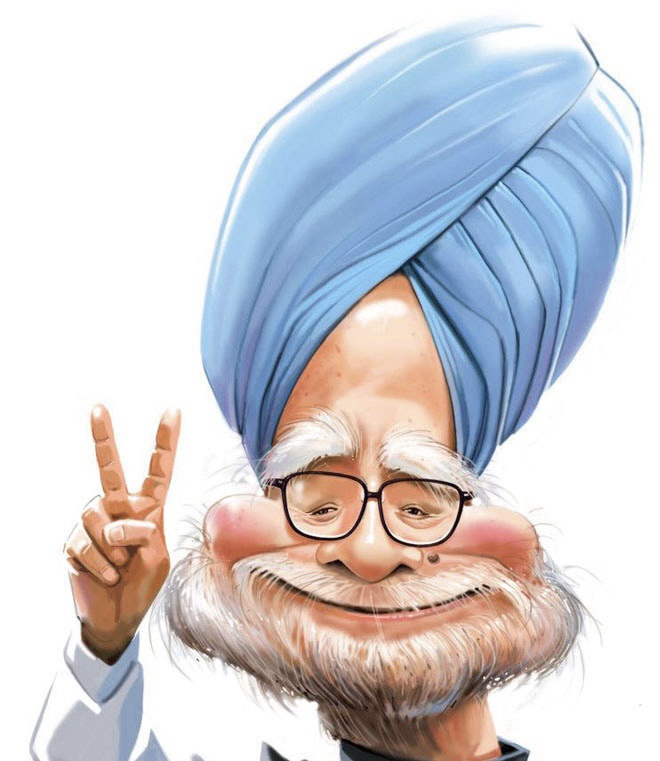
The Croaking Retiree: A Bureaucrat’s Eulogy to Ignorance

In the grand theatre of governance, where wisdom and prudence were once considered the pillars of administrative service, emerges a voice from the abyss—an erstwhile high-ranking bureaucrat, whom we shall, for the sake of brevity, call the Retiree. This distinguished specimen of public service has taken it upon himself to issue a diktat to the nation: Thou shalt not question the omniscience of the IAS officer in power today, for they are the harbingers of all knowledge and governance.

The Retiree, once perched on the tallest branches of administration, now finds himself croaking from the depths of irrelevance. His proclamations reek of a devotion not to public service, but to a brand of ideological servitude that blinds him to reason, morality, and even the faintest echoes of reality. He has found his true calling not in post-retirement reflection but in a self-righteous crusade against intelligence, progress, and above all, the idea that power should ever be questioned.  

The Gospel According to the Retiree

According to this self-anointed oracle of bureaucracy, any discussion about the plight of farmers, the destitute, or the socially disadvantaged is not an exercise in governance but an act of sedition. To even suggest measures that may alleviate their suffering is, in his lexicon, to flirt with the ghost of Karl Marx. Indeed, the mere act of questioning economic disparity or proposing a fairer system he maligns such an individual with the most damning of all titles—A Communist!  

One would imagine that a person who once wielded the pen of policy and the sword of executive power would at least grasp the basic tenets of governance. But no, the Retiree sees the world through a peculiar prism, where stark ignorance is wisdom, mental derailment is intellectual prowess, and logic is but an unfortunate affliction of the weak-minded. His convictions, as unshakable as a weathered bureaucratic file gathering dust in a forgotten ministry, are not merely wrong but stunningly oblivious to their own contradictions.  

Trump, Putin, and the Retiree’s Political Waltz

The Retiree’s ideological compass points resolutely to the extreme right, and his devotion to the gospel of Donald Trump is near religious. Why? Because Trump, like Retiree, thrives on the belief that knowledge is overrated, that institutions exist to be dismantled, and that those who question authority are to be ridiculed rather than heard. But here lies the comedy of it all: while the Retiree worships Trump as the supreme leader of the far-right, he conveniently ignores the rather inconvenient reality that Trump himself now embraces Vladimir Putin, a man who—by any stretch of the Retiree’s fevered imagination—would qualify as an extreme communist.  

But such glaring contradictions do not trouble the fortified walls of the Retiree’s mind, for inside that citadel of circular logic, only one rule exists: I am right, because I say so. The fact that Trump, his ideological messiah, is dancing a diplomatic tango with a leader the Retiree would otherwise despise does not cause him the slightest distress. No, because to acknowledge such paradoxes would require a cognitive flexibility that he has long since abandoned in favor of the simple, comfortable dogma of the far-right echo chamber.  

The Bureaucratic Landmines in India’s Progress

The Retiree’s existence is not merely a minor embarrassment to the IAS fraternity; he is a cautionary tale, a stark reminder of how the corridors of power sometimes breed men who mistake their titles for infallibility. The Indian Administrative Service, for all its imperfections, has been the backbone of governance for nearly eight decades. It has weathered crises, delivered policies, and, at times, served as the last line of defense against political waywardness.  

But then, there are anomalies like the Retiree—bureaucratic landmines, waiting to explode with ignorance, bigotry, and an inexplicable hostility to progress. Such individuals do not merely fail to serve the people during their tenure; they continue their reign of intellectual terror long after retirement, spreading their warped legacy with the enthusiasm of a zealot.  

A Nation’s Imperative: Shun the Croakers

If India is to move forward, it must learn to distinguish between administrators and ideological zealots, between wisdom and dogma, and most importantly, between governance and hollow grandstanding. The Retiree represents the rot that festers when power is mistaken for intelligence, when ideology eclipses logic, and when the civil services, meant to be impartial and rational, become breeding grounds for blind allegiance to extremism.  

We must not merely reject such individuals—we must hold them accountable for the damage they do, both in service and in retirement. The true measure of an administrator is not in the power they wield, but in the integrity with which they wield it. And by that measure, the Retiree, in all his croaking glory, is nothing more than a lamentable footnote in the annals of bureaucracy—a relic best left in the past, as India strides toward a future where governance is dictated not by ideology, but by reason and justice.

Standard

The Unfolding Epoch: A Reflection on the Next Twenty-Five Years

The first quarter of the twenty-first century has drawn to a close, and humanity now embarks upon its journey towards the year 2050. While the history of our planet is ancient, the chronicle of mankind is but seventy thousand years old—a mere blink in the grand scheme of time. Prior to this, man was but another creature amidst the teeming multitude of life, bound by nature’s immutable laws. However, with the awakening of intellect, humanity broke free from the passive acceptance of existence, rejecting the principle that governed all other beings—“let it be so that it may continue indefinitely.” In its place, man sought dominion over nature, crafting civilization from the wilderness and shaping culture through the ceaseless march of progress.

There is little need to dwell upon this well-documented history, for its essence is known to all. What demands our scrutiny, however, is the transformation that has since ensued. A mere ten to twelve thousand years ago, humanity abandoned its nomadic ways, embraced agriculture, and established permanent settlements. With this newfound stability arose the necessity of economic and administrative systems, which, over centuries, evolved into the intricate governance structures of today. Yet, in stark contrast to the slow and measured pace of change throughout the preceding millennia, the past 250 years have witnessed an unparalleled acceleration in human advancement.

The year 1776 marked the dawn of the First Industrial Revolution, a seismic shift that redefined human civilization. Since then, three chapters of industrial transformation have unfolded, culminating in the ongoing Fourth Industrial Revolution that commenced in 2011. The impact of this rapid evolution is nothing short of astonishing. The very fabric of our world has been reshaped; its economies, currencies, and societies have undergone a metamorphosis so swift and profound that it may only be described as ‘turbo-speed’ progress.

To illustrate the scale of this change, one must consider the trajectory of human population growth. It took nearly two hundred thousand years for the global population to reach one billion. Yet, from the year 1800 onwards, this figure has multiplied eightfold, surging past eight billion within a mere two centuries. The pace at which human society has transitioned from rural to urban living is equally staggering. Until 1800, only three percent of mankind resided in cities, but today, over fifty-eight percent of the global populace dwells in urban environments. Such transformations, which once took millennia, now unfold within decades.

What, then, lies ahead? If the velocity of change in the past 250 years is any indication, the coming twenty-five years shall unfold at ‘super-turbo speed’—a rate beyond present comprehension. The implications of this are both exhilarating and ominous. On one hand, humanity may stand on the precipice of extraordinary breakthroughs; on the other, we may be witnessing the dawn of an irreversible transformation—one in which Homo sapiens, as we know them, may evolve into an entirely new species. The trajectory of change is no longer in our hands, nor can it be arrested. The only course left to us is vigilance, foresight, and preparation for the trials that lie ahead.

The Perils of Reactive Governance

Yet, as we peer into the future, one cannot help but observe a troubling trend—the persistent inclination of governments and societies to adopt a reactive rather than a proactive stance. The prevailing culture appears to be one of responding to crises only after they have erupted, rather than anticipating and mitigating them in advance. If this mindset persists, the magnitude of challenges in the coming decades may reach such critical levels that remedies will no longer be within our grasp.

The urgency of the hour calls for deep contemplation and decisive action. Every citizen, thinker, policymaker, and administrator must engage in rigorous discourse, charting a course for the future of the nation and the state. Policies must be drafted with foresight, governance must be steered with prudence, and the economy, social structures, and legal frameworks must be refined in anticipation of impending upheavals. But is such deliberation taking place? Is there a grand vision guiding our collective future, or are we merely postponing the inevitable with half-measures and short-sighted policies?

A crucial question arises—have society, government, and intellectuals genuinely attuned themselves to the gravity of the challenges that loom ahead? Are priorities being set in accordance with the severity of these issues? Alas, there is little evidence to suggest so. Just as a physician’s diagnosis is essential before treatment can commence, so too must our problems first be understood before solutions can be devised. If we remain oblivious to the crises we face, how shall we ever address them?

Governments ought to present a clear and comprehensive projection of the hurdles that await both the nation and the state. The people must be informed of the strategies devised to confront these adversities, and transparent discourse must replace the vague assurances and hollow rhetoric that have too often defined political narratives.

The Crisis of Problem-Illiteracy

A short while ago, I publicly posed a question on social media, urging citizens to list the most pressing challenges confronting our nation and state in descending order of severity. The responses, or rather the lack thereof, revealed a disturbing truth—we suffer not just from a lack of solutions but from a far graver affliction: ‘problem-illiteracy.’ We are an educated society, yet one woefully unaware of the real issues plaguing us. As a collective, we remain oblivious to the existential threats at our doorstep, and this ignorance may prove to be our greatest peril.

It is imperative that we reclaim our focus from the distractions that have veiled the truth. A distressing pattern has emerged in governance, policymaking, and political discourse—one in which genuine problems are ignored, and artificial ones are manufactured to serve vested interests. Emotional rhetoric has replaced reasoned deliberation, and superficial debates have supplanted meaningful dialogue. This malady extends beyond the realm of politics, infecting even the private sector, where self-interest often takes precedence over long-term stability. If we fail to identify and address the real challenges of our time, how shall we ever hope to overcome them?

The Path Forward

The velocity of change in our world has reached a perilous juncture, and the next twenty-five years shall be among the most defining in human history. We stand at a crossroads, where every decision, every policy, and every action shall reverberate far into the future. It is, therefore, incumbent upon us to engage in earnest deliberation on the challenges that await—at the global, national, and state levels.

In the forthcoming discussions, we shall examine the critical issues that must be addressed if we are to navigate the complexities of the coming age. Let us embark upon this discourse not with fear, but with resolve—for the future shall not be shaped by mere observers, but by those with the vision and will to act.

(Marathi translation of this article was published in the daily Divya Marathi on 16/3/2025)

Standard

रुग्ण, औषधे, अनागोंदी आणि त्यावरील उपाय

(हा लेख ग्राहकहित या मासिकाच्या जानेवारी, २०२५ च्या अंकात प्रकाशित झाला होता)

एक डोकेदुखीची गोळी द्या…

पोट दुखीची गोळी द्या…

तापाची गोळी द्या…

सर्दी पडशाची गोळी द्या…

छाती भरली गोळी द्या…

एक पाकीट वायग्रा द्या…

हे सर्व दुकानातून गोळ्या किंवा चॉकलेट खरेदी करण्याच्या सुरामध्ये औषधांच्या दुकानात चाललेले संवाद असतात. काऊंटरपलीकडील माणूस मग शेल्फ मधून कसल्या तरी गोळ्या, औषधे आणून ग्राहक समोर ठेवतो, ग्राहक पैसे देतो आणि निघून जातो आणि हे असे या देशातील सुमारे 9 लाख औषध दुकानात सर्व भारतीय भाषात दैनंदिन चालू असते. या गोळ्यामुळे नंतर रुग्णाला फायदा झाला की नाही, रुग्णाला त्यामुळे बरे वाटले नाही, बरे वाटले नाही म्हणून नाईलाजाने डॉक्टर कडे जावे लागले का आणि शेवटी त्यास रुग्णालयात दाखल करावे लागले किंवा कसे हे समजण्यास मार्ग नाही. आणि हा व्यवहार देशात जो एकूण सुमारे एक लाख बाहत्तर हजार कोटी रुपयांचा औषधांचा खप होतो त्यापैकी औषध दुकानातून विकल्या जाणाऱ्या बहुतांश वेळेस होत असतो. अर्थात काही वेळेस दृश्य थोडे वेगळे असते. ग्राहक डॉक्टरांनी दिलेली चिट्ठी काउंटरवर ठेवतो, काउंटरपलीकडील माणूस त्वरेने ती चार-पाच औषधे ग्राहका समोर ठेवतो आणि कॅल्क्युलेटर वर सर्व औषधांची एकत्रित किंमत सांगतो, ग्राहक ती रक्कम देतो आणि निघून जातो. काऊंटरपलीकडील माणूस घाई घाईने दुसऱ्या ग्राहकाकडे वळतो. हॉस्पिटलमध्ये जर रुग्ण ऍडमिट असेल तर डॉक्टर एक भले मोठे प्रिस्क्रीप्शन रुग्णाच्या नातेवाईकांच्या हातात ठेवतात आणि हॉस्पिटल मधील दुकानातून ते घेऊन येण्यास सांगतात. रुग्णाचे नातेवाईक निमुटपणे हॉस्पिटलच्या दुकानात जातात ती चिठ्ठी काऊंटरपलीकडच्या माणसाकडे देतात आणि तो माणूस त्याची जे काही नमूद केले आहे ते सर्व काउंटर वरती ठेवतो, नातेवाईक पैसे देतात आणि औषधे घेऊन एडमिट केलेल्या रुग्णात जवळ जाऊन थांबतात.

अर्थात यामध्ये आता एक नवीनच सुविधा उपलब्ध झाली आहे. औषधाच्या दुकानात जाण्याची सुद्धा गरज राहिलेली नाही. स्वतःला किंवा कुटुंबातील सदस्याला काय होते आहे हे रुग्ण किंवा किंवा नातेवाईक स्वतःच ठरवितात. मोबाईलवर ऑनलाइन जाऊन औषधाची खरेदी करतात, पेमेंट करतात आणि औषधे घरी येतात.

या देशात हा वर नमूद केलेला व्यवहार जो चालतो तो योग्यच आहे बिनदिक्कत मानणारा वर्ग प्रचंड मोठा आहे,…..मग त्यात अशिक्षित, सुशिक्षित, अतिशिक्षित असे सर्वच आले.

आपण म्हणाल मग त्यामध्ये वावगे काय आहे. बरोबर आहे! ज्या पद्धतीने औषधांच्या बाबतीत निरक्षरता या देशांमध्ये आहे त्या पार्श्वभूमीवर नागरिकांना यामध्ये वावगे वाटण्याचे काही कारणच नाही. अर्थात ही चूक की बरोबर हे प्रत्येक नागरिकाला माहिती असणे असे अपेक्षित नाही पण ते शासनाला चांगलेच माहिती असते आणि त्यासाठी रुग्णांच्या बाबतीत त्यांचे हक्क सुरक्षित राहावे, त्यांच्या जीवनात धोका होऊ नये, त्यांना अनावश्यक आर्थिक भुर्दंड पडू नये यासाठी कायदे नियम करण्यात आलेले असून त्यांची अंमलबजावणी हो/ते किंवा नाही हे पाहण्यासाठी केंद्र शासन आणि राज्य शासन स्तरावर मोठ्या प्रशासकीय यंत्रणांचे जाळे उभारून त्यावर भरमसाठ खर्चही केला जातो. मग या कायद्यांचा किंवा प्रशासकीय यंत्रणेचा उपयोग काय असा प्रश्न नागरिक किंवा ग्राहक चळवळी मधून व्यापक प्रमाणात या देशात कधी विचारला गेलाच नाही. याचा परिपाक म्हणजे देशातील रुग्णांचे झालेले अतोनात नुकसान आणि औषध व्यवसायातील घटकांचा झालेला प्रचंड अवैध नफा, शिवाय शासकीय यंत्रणेचा पगारा व्यतिरिक्त झालेला आर्थिक फायदा हे होय. अर्थात, यासाठी काही केले पाहिजे हे ना रुग्ण स्वतः, ग्राहक चळवळी, लोकप्रतिनिधी, शासन व्यवस्था, प्रसार माध्यमे इत्यादींच्या रडारवर कधी  अनभिज्ञपणे तर कधी स्वार्थामुळे आलेच नाही.

त्यामध्ये विशेष ते काय? खरे आहे! विशेष असण्याचे कारण नाही!! औषधांची दुकाने आहेत ती औषधे विकणार, रुग्णांना शारीरिक किंवा मानसिक व्याधी आहेत त्यामुळे ते खरेदी करणार आणि बरे होणार!!! ते इतके सोपे आहे का?

मुळात एक गोष्ट लक्षात घेण्यात आली पाहिजे ती ही की कोणतेही औषध हे एक रसायन असते. ते शरीरातील चलनवलनावर आणि मानसिकरित्या परिणाम करतात करते.

अलीकडेच सप्टेंबर मध्ये नागपूर पोलिसांनी केवळ खडू पावडर आणि स्टार्च वापरून तयार केलेले बनावट अँटिबायोटिक्स औषधे शासकीय रुग्णालयांना पुरवठा केलेल्या प्रकरणात पोलिसांनी संबंधितावर आरोप पत्र दाखल केले होते. आता नव्याने पाच कंपन्यांनी अशी बनावट औषधे शासकीय रुग्णालयांना पुरविल्याची वृत्ते डिसेंबर मध्ये पुन्हा प्रसिद्ध झाली आहेत. या गोळ्यांमध्ये औषधांचा अंशही नव्हता. त्याचबरोबर कर्नाटकामधील बेल्लारी येथील रुग्णालयात सिझेरियन शस्त्रक्रिया झालेल्या महिलांना जे आय व्ही फ्लूड देण्यात आले होते त्यामुळे काही महिलांचा मृत्यू झाला व त्या प्रकरणात राज्याच्या औषध नियंत्रकांना निलंबित केले गेले असेही प्रकरण घडले आहे. यापूर्वी जुलै 2023 मध्ये भारतीय कंपन्यांनी तयार केलेली खोकल्याचे औषधे घेतल्याने गांबिया देशातील ६६ मुले दगावल्याचेही वृत्ते आपण विसरलेलो नाहीत.

जी औषधे रोगमुक्त होण्यासाठी, जीव वाचवण्यासाठी वापरले जातात तीच औषधे जीवघेणी ठरावित ही बाब प्रशासकीय व्यवस्थेला काळीमा फासणारी आहे. अर्थात यावर प्रत्येक वेळेस ” कडक कारवाई” होणार अशी ही वृत्ते नंतर येतात, पण त्यांचे पुढे काय होते ते काळाच्या ओघात विसरले जाते आणि हे सर्व दुष्टचक्र पुन्हा चालू राहते!

माणसाच्या जीवनाचा औषधे हे आता अविभाज्य भाग झालेले आहेत. इतर बाबीं बरोबरच मानवाचे जीवनमान वृद्धिंगत होण्यामध्ये औषधांचाही वाटा मोठा आहे. भारताचे स्वातंत्र्यपूर्व काळात असलेले सरासरी आयुष्यमान ३२ वर्षावरून ते आता दुपटीहून जास्त म्हणजे ७० वर्षापेक्षा जास्त झाले आहे.

माणसाच्या जीवनात औषधांचे महत्त्व अनन्यसाधारण असे झाले असले तरी त्या क्षेत्रात बनावट औषध निर्मिती व विक्री करून गुन्हेगारी स्वरूपाची कृत्य करणाऱ्यांचाही शिरकाव झालेला आहे हे सत्य नाकारून चालणार नाही. शिवाय ज्या अधिकृत कंपन्या औषधे तयार करतात त्या देखील अनेक वेळेस गुणवत्ता राखीत नसल्याने त्यामुळे देखील रुग्णांच्या आरोग्यावर विपरीत परिणाम होतो. 

म्हणून औषधनिर्मिती, घाऊक आणि किरकोळ विक्री, निर्यात, आयात हे क्षेत्र भारतात खूप मोठे आहे. याची अलीकडील अधिकृत आकडेवारी उपलब्ध नसली तरी एकूण वार्षिक ओलाढाल सुमारे चार लाख कोटी च्या जवळपास असावी. औषध निर्माणाच्या बाबतीत आकारमानाचा विचार केला तर भारत जगात तिसऱ्या क्रमांकावर आहे.

अर्थात औषधामुळे आरोग्याची हानी किंवा मृत्यू या गोष्टी नव्या नाहीत. अमेरिकेत १९३७ मध्ये एलिक्झिर सल्फानिलामाइड या औषधामुळे १०० पेक्षा जास्त रुग्ण दगावले होते. महाराष्ट्रात १९८६ मध्ये जे जे रुग्णालयात १४ रुग्ण भेसळुक्त औषधामुळे दगावले होते आणि अशी प्रकरणे जगभर घडत असतातच. भेसळयुक्त औषधामुळे किंवा बनावट औषधामुळे आरोग्यावर होणारे दुष्परिणाम, ओढावणाऱ्या व्याधी, मृत्यू टाळले जावेत हे गेल्या शतकाच्या सुरुवातीस लक्षात आल्याने त्यावर प्रतिबंध म्हणून अत्यंत प्रखर कायदे करण्यास सुरुवात झाली. भारतात त्यासाठी औषधे आणि प्रसाधने हा कायदा १९४० मध्ये लागू करण्यात आला आणि कालपरत्वे त्यात योग्य ते बदल करण्यात आले. भारतात केवळ हा कायदाच लागू करण्यात आला नाही तर त्याची व्यवस्थितपणे अंमलबजावणी व्हावी यासाठी देशपातळीवर औषध महानियंत्रक, सर्व राज्यात राज्य औषध नियंत्रक किंवा आयुक्त, औषध आणि अन्न प्रशासन(एफ डी ए) आणि तालुका स्तरापर्यंत औषध निरीक्षक अशा यंत्रणांचे स्वतंत्र जाळे निर्माण करून औषधांच्या बाबतीत कोणतेही गैरव्यवहार होणार नाहीत व रुग्णांना त्रास होणार नाही याची देशाच्या संसदेने पुरेपूर काळजी घेऊन त्यांचे कर्तव्य चोख बजावले आहे.

मग अशा घटना वारंवार घडतातच का? केवळ कायदे करून कायदेमंडळाची जबाबदारी संपत नाही. प्रत्येक लोकप्रतिनिधीची ही देखील जबाबदारी आहे की कायद्याची अंमलबजावणी होत नसेल तर त्यांनी शासनाला धारेवर धरणे अपेक्षित असते. पण अनुभव असा आहे की, बहुतांश वेळेस सदर लोकप्रतिनिधी अंमलबजावणी बाबत एक तर अनभिज्ञ असतात किंवा ते त्याकडे दुर्लक्ष करतात आणि यामुळेच प्रशासकीय यंत्रणांचे फावते. मी हे केवळ सिद्धांतिक स्वरूपात विशद करीत नसून आयुक्त अन्न व औषध प्रशासन म्हणून कार्यरत असताना जे अनुभव आले त्यावरून ठोसपणे अनुभवावरून नमूद करीत आहे.

औषधे दुधारी शस्त्र असल्यामुळे त्याचा वापर योग्य रीतीने होणे, ग्राहकांना विनाकारण आर्थिक उदंड पडू नये उदंड पडू नये, इतर कोणताही त्रास होऊ नये आणि यासाठी ते तयार करण्यात आलेले आहेत त्या व्याधींवर परिणामकारक म्हणून उपयोग होणे यासाठी जगभर औषधाबाबत कायदे करण्यात आलेले आहे. जागतिक पातळीवर जागतिक आरोग्य संघटना म्हणजेच डब्ल्यू एच ओ हे मानवी आरोग्य सुस्थितीत राहावे म्हणून सर्व सभासद देशांसाठी एक शीर्ष संस्था असून ही संस्था औषधांच्या बाबतीत देखील वेळोवेळी काही धोरणे जाहीर करते व त्या धोरणानुसार सर्व देशातील कायद्यामध्ये तशी तरतूद केली जाते. हा विषय तसा प्रचंड मोठा आहे पण ग्राहकाने रुग्णांच्या दृष्टीने आपण त्याकडे थोडक्यात दृष्टिक्षेपाण्याचा टाकण्याचा प्रयत्न करूया.

औषध हे मानवासाठी वरदान असले तरी तो एक मोठा व्यवसायाचा भाग आहे आणि त्यावर अनेक महाकाय कंपन्यापासून स्थानिक रित्या असलेले अनेक व्यावसायिक सहभागी असतात. जागतिक पातळीवर विचार करावयाचा झाल्यास या व्यवसायाचे आकारमान सुमारे १.४७ ट्रिलियन अमेरिकन डॉलर इतके आहे. यामध्ये या सर्व व्यावसायिकांचा एकच हेतू असतो तो म्हणजे त्यांच्यासाठी आणि त्यांच्या भाग भांडवल धारकांसाठी जास्तीत जास्त नफा मिळवणे. अर्थात हा नफा मिळत असताना रुग्णांची विनाकारण लुगडणूक होऊ नये, व्याधी बऱ्या व्हाव्यात, इतर दुसरी दुष्परिणाम टाळण्यात यावेत अशा तरतुदी कायद्यांमध्ये केलेल्या असतात. रुग्णांचे हक्क जपण्यासाठी भारतामध्ये ज्या कायद्यांतर्गत तरतुदी आहेत त्याचा थोडक्यात थोडक्यात पोह करूया.

भारतात, जी ऍलोपॅथिक, आयुर्वेदिक, युनानी, सिद्ध या शाखेतील वैद्यकशास्त्रामध्ये नमूद केलेली औषधे तयार करण्यास किंवा विक्री करण्यास बंदी घालण्यात आलेली आहे. जर कोणास औषधे नव्याने बाजारात आणावयाचे असतील , त्यांची निर्मिती करावयाची असेल,  घाऊक किंवा किरकोळ विक्री करावयाची  असेल तर त्यास लायसन्स किंवा अनुज्ञप्ती घेणे बंधनकारक आहे. अशा अनुज्ञप्ती शिवाय वरील व्यवहार झाले तर तो कायदेशीर गुन्हा असतो आणि त्यासाठी शिक्षा करण्याच्याही तरतुदी आहेत. एखाद्या कंपनीला नवीन ऍलोपॅथिक औषध बाजारात आणावयाचे असेल तर त्यास भारताचे औषध  नियंत्रक यांना तसा प्रस्ताव देऊन त्यांची परवानगी घेणे बंधनकारक आहे. अर्थात असे नवीन ऍलोपॅथिक औषध बाजारात येण्यापूर्वी त्यावरील संशोधन, निर्मिती प्रक्रिया इत्यादीवर वर्षानुवर्ष मोठ्या प्रमाणात संशोधन होऊन मग ते औषध किती प्रमाणात व कशा स्वरूपात रुग्णाने घेतले तर कोणती व्याधी बरी होऊ शकते आणि ते औषधाची इतर कोणतेही दुष्परिणाम संभवत नाहीत अशी खात्री भारताचे औषध महानियंत्रक यांना दिल्यानंतर आणि त्यांची खात्री पटल्यानंतर ते औषध बाजारात येऊ शकते. अशा नव्याने बाजारात आलेल्या औषधाची निर्मिती करण्याचे एखादी एकाधिकार संबंधित कंपनीला पेटंट द्वारे प्राप्त असतात आणि त्या औषधांची निर्मिती किंवा विक्री केवळ तीच कंपनी पुढील पंधरा वर्षे करण्यास पात्र असते. या औषधांची मोठ्या प्रमाणात निर्मिती करण्याकरिता राज्याचे औषध नियंत्रक किंवा एफडीए हे परवानगी देतात. या परवानगी मध्ये तीन गोष्टी अत्यंत महत्त्वाचे असतात. पहिली म्हणजे औषध निर्मिती साठी जो कच्चामाल वापरला जातो त्याचे प्रयोगशाळात विश्लेषण करून त्यामध्ये कोणतेही अपायकारक पदार्थ किंवा भेसळ नाही याची खात्री करणे हे कायदे अंतर्गत बंधनकारक आहे. त्यासाठी निर्मात्यांची स्वतःची प्रयोगशाळा किंवा शासन मान्यता प्राप्त प्रयोगशाळेतून त्यांचे विश्लेषण करून तसे अभिलेख ठेवणे आणि या अभिलेखाची वेळोवेळी एफडीएच्या अधिकाऱ्यांकडून तपासणी होणे गरजेचे असते. दुसरे म्हणजे औषध तयार झाल्यानंतर त्याची पुन्हा एकदा प्रयोगशाळेत तपासणी होऊन त्यामध्ये योग्य त्या प्रमाणातच संबंधित औषधांचा घटक आहे किंवा नाही, त्यात अपायकारक असे भेसळ तर नाही ना याबाबत खात्री केली जाऊन त्याचाही अभिलेख एफडीएच्या अधिकाऱ्यांना पाहण्यासाठी उपलब्ध केला जातो. या दोन्ही प्रक्रियेत जर भेसळ किंवा अपायकारक घटक किंवा औषधांच्या मात्रा कमी किंवा जास्त असेल तर सदर कच्चामाल किंवा तयार झालेले औषध नष्ट करण्याचेही तरतूद आहे. यावर एफ डी ए च्या अधिकाऱ्यांनी अतिशय काटेकोरपणे या कायद्यातील तरतुदींची अंमलबजावणी केली तर बाजारात कोणतेही चुकीचे औषध कोणत्याही कंपनीकडून येवूच शकत नाही. त्यामुळे अलीकडे नागपूर बीड येथे काही कंपन्याने शासनाला शासकीय हॉस्पिटलमध्ये जी बनावट औषधे पुरवली होती ती औषधे केवळ आणि केवळ एफडीएच्या अधिकाऱ्यांच्या नाकर्तेपणामुळेच येऊ शकले अन्यथा तशी औषधे बाजारात येणे शक्य नाही. याचाच अर्थ चुकीच्या औषधांच्या निर्मितीवर निर्बंध येण्यासाठी कठोर कायदे असले तरी देशपातळीवरील या विभागाच्या अधिकाऱ्यांपासून ते स्थानिक पातळीवरील औषध निरीक्षकांपर्यंत ही यंत्रणा कुजलेली असल्याने भेसळयुक्त किंवा औषधाची मात्रा नसलेली औषधे किंवा बनावट औषधे बाजारात येतात.

कंपनीमधून औषधे निघाल्यानंतर ते सर्वसाधारणपणे घाऊक विक्रेत्यांकडे येतात आणि तिथून मग ती किरकोळ विक्रेते किंवा हॉस्पिटल कडे रवाना होतात. या ग्राहक विक्रेत्यांना देखील या घाऊक विक्रेत्यांना देखील अनुज्ञप्ती बंधनकारक करण्यात आलेले असून ते सदर अवश्य सदर आवश्यक आहे  सदर वाहतूक करतात किंवा नाही, त्याची साठवणूक योग्य पद्धतीने होते की नाही हे पाहण्याची जबाबदारी देखील एफडी अधिकाऱ्यांची असते. अर्थात या घाऊक विक्रेत्यां ची अत्यंत ताकदवान संघटना देशामध्ये असून ही संघटना औषध निर्माण करणाऱ्या फार्मास्यूटिकल कंपन्या, किरकोळ औषध विक्रेते आणि प्रशासकीय यंत्रणा यांच्यावर देखील आपला पाशवी प्रभाव दिले गेली कित्येक दशके गाजवत आहेत. औषध निर्माण कंपन्यांनी कोणास घाऊक विक्रेत्यांचे एजन्सी द्यावयाची याची संमती घेण्याची एक अत्यंत बेकायदेशीर पद्धत या देशात या औषधांच्या घाऊक विक्रेत्या संघटनांनी राबविली आणि त्यास प्रशासनाने आपली मुख्य संमती दिली मूक संमती देवून आपलेही हात ओले करून घेतले. यामध्ये तोटा शेवटी ग्राहकांचा झाला कारण फार्मास्यूटिकल कंपन्या या सदर संघटनाच्या इतक्या दबाव खाली येत गेल्या की काही वेळेस औषधांच्या किमती काय असाव्यात हे सुद्धा या संघटना ठरू लागल्या.

किरकोळ औषध विक्री हा औषधांच्या बाबतीत सर्वात मोठा कळीचा मुद्दा आहे. औषध विक्री कायद्याप्रमाणे झाली तर यामधील अनेक गैरव्यवहार थांबून रुग्णांचे आरोग्य, जीव आणि आर्थिक हित साधण्यास मदत होईल. कायद्याप्रमाणे जगभर आणि भारतात देखील किरकोळ विक्री कशी करावी याबाबतीत ज्या तरतुदी आहेत त्या सर्वांनी आणि विशेषतः ग्राहक संघटनांनी देखील समजावून घेऊन त्यांची अंमलबजावणी आपल्या परिसरातील औषध विक्रेते करतात किंवा नाही याबाबतीत सतर्क राहणे गरजेचे आहे. त्यातील महत्त्वाच्या तरतुदी बाबतीत खालील प्रमाणे थोडक्यात वाहपोह करण्यात येत आहे.

कोणतेही औषध दुकान सुरू करण्यापूर्वी इतर बाबी बरोबरच एक महत्त्वाची कायदेशीर तरतूद म्हणजे मान्यताप्राप्त शैक्षणिक गुणवत्ता असलेले शासन नोंदणीकृत फार्मासिस्ट असल्याशिवाय दुकान सुरू करता येत नाही. औषधांची विक्री या फार्मासिस्टच्या देखरेखीखाली आणि त्याच्या स्वाक्षरीनेच होण्याचे नियम आहेत. डॉक्टरांकडून आलेली चिठ्ठी तपासणे हे या फार्मासिस्टचे कर्तव्य आहे. जे औषध चिठ्ठी मध्ये नमूद केले आहे ते औषध देण्याची शैक्षणिक पात्रता त्या डॉक्टर मध्ये आहे किंवा नाही; जी व्याधीची सर्वसाधारण लक्षणे आहेत त्या सापेक्षच औषध दिलेले आहे किंवा नाही; रुग्णांचे वय, वजन, इतर व्याधी, लिंग इत्यादींचा विचार करून औषधाची मात्रा योग्य आहे किंवा नाही; औषधे किती वेळेस आणि जेवणापूर्वी किंवा जेवणानंतर घेणे याबाबत सल्ला; डॉक्टरांनी जी औषधे लिहून दिलेली आहेत त्याचा कोर्स म्हणजेच जितके दिवस डॉक्टरने सांगितले आहे तितके दिवस घेणे अत्यावश्यकच आहे हे रुग्णास किंवा त्याच्या नातेविकास पटवून देणे; जर औषध चुकीचे वाटले तर रुग्णास किंवा त्याच्या नातेविकास पुन्हा डॉक्टरांचा सल्ला घेण्यास सुचविणे; डॉक्टरांनी काही अनावश्यक औषधे लिहून दिली असतील तर त्याची अनावश्यकता रुग्णास पटवून देणे; सदर चिट्ठी पुन्हा वापरता येणार नाही अशा पद्धतीने चिठ्ठीवर औषध दिले अशी नोंद करणे; औषध विक्रीनंतर त्यासाठी रुग्णास बिल देणे आणि त्यावर त्याच्या संपर्काची नोंद नमूद करणे अशा प्रकारचे समुपदेशन आणि अभिलेख ठेवण्याची कायदेशीर जबाबदारी फार्मासिस्टवर असते. रुग्ण औषध घेताना फार्मासिस्ट कडून अशा पद्धतीने समुपदेशन करून घेतात किंवा नाही हे संपूर्ण भारत देश जाणतो. असे समुपदेशन होतच नाही. किंबहुना अनेक वेळेस औषधांच्या दुकानात फार्मासिस्टचे केवळ प्रमाणपत्र भिंतीवर टांगलेले असते आणि फार्मासिस्ट येथे उपस्थित नसतो. हे प्रमाणपत्र फार्मासिस्टकडून अत्यल्प किमतीत भाड्याने घेण्याची प्रथा महाराष्ट्र आणि देशभर आहे. मी ज्यावेळेस आयुक्त म्हणून एफडीए चा कार्यभार स्वीकारला त्यावेळेस या कायद्यातील तरतुदींची अंमलबजावणी होते की नाही याची चौकशी केली असता अतिशय विदीर्ण अशी परिस्थिती दिसून आली ती ही की रुग्ण हिताच्या कायद्यातील ९०% तरतुदींची अमलबजावणी होत नव्हती. एक तर महाराष्ट्रात बहुतांश ठिकाणी फार्मासिस्टचे अस्तित्व नव्हते मग त्यांनी पार पडावयाची कर्तव्य हे एक दिवास्वप्न होते. मी माझ्या अधिकाऱ्यांना विचारले असता त्यांनी बिनदिक्कतपणे सांगितले की सर्व दुकानांमध्ये फार्मासिस्ट असतात. त्यावर मी नंतर स्वतः जाऊन ज्यावेळेस फार्मासिस्ट आहे किंवा नाही याची चौकशी सुरू केली त्यावेळेस जे सत्य आहे ते महाराष्ट्र समोर मांडले. एक तर बहुतांश ठिकाणी स्वतः फार्मासिस्ट उपस्थित नसायचे, त्यांचे केवळ प्रमाणपत्र असायचे. फार्मासिस्ट उपस्थित नसल्यामुळे वर नमूद केलेल्या बाबी पार पाडल्या जातच नव्हता. मी त्याची कडक अमलबजावणी सुरु केली आणि केवळ संबंधित औषध विक्रेत्यावरतीच कार्यवाही करून थांबलो नाही तर ज्यांची या सर्व गोष्टी होतात किंवा नाही हे पाहण्याची कायदेशीर जबाबदारी आहे त्या औषध निरीक्षकापासून सहाय्यक आयुक्तापर्यंत च्या अधिकाऱ्याविरुद्ध सुद्धा कर्तव्यात कसूर केली म्हणून शिस्तभंगाची कारवाई सुरू केली. वरवर हे सर्व प्रकार पाहिले तर ते केवळ कायद्याची अंमलबजावणी नसून वैयक्तिक आणि सामूहिक आरोग्याच्या बाबतीतचा मोठ्या प्रश्नांसाठी या सर्व तरतुदी असतात हे शास्त्रीय सत्य त्यामागे दडलेले आहे. जर वरील प्रमाणे फार्मासिस्टने त्याची जबाबदारी पार पाडली नाही तर बनावट औषधे बाजारात येऊ शकतात, सक्षम नसलेल्या डॉक्टरांकडून चुकीची औषधे देऊन किंवा चुकीची मात्रा किंवा चुकीची औषधांचे कॉम्बिनेशन्स यामुळे रुग्णास त्रास होऊ शकतो किंवा रुग्णाचे रोगप्रतिकारक शक्ती कमी होऊ शकते आणि काही वेळेस रुग्णास मृत्यूला देखील सामोरे जावे लागते. अमेरिकेत चुकीच्या औषधामुळे अधिकृत आकडेवारीनुसार दरवर्षी सुमारे एक लाखापेक्षा जास्त रुग्ण दगावतात. भारतात आपण त्याची मोजदाद सुद्धा ठेवत नाही. हे जे गैरव्यवहार चालतात ते केवळ गैरसमजुतीतून नव्हे तर भ्रष्टाचारासाठी असतात हे उघड सत्य आहे आणि त्यामध्ये रुग्ण भरडला जातो. जागतिक आरोग्य संघटनेच्या (डब्ल्यू एच ओ)एका आकडेवारीनुसार भारतासारख्या आशियाई देशांमध्ये सुमारे ६५ टक्के औषधे हे अनावश्यकरीतीने दिले जाऊन त्यांचा केवळ रुग्णावर आर्थिक भुर्दंड पडत नाही तर त्यामुळे गंभीर आरोग्य समस्या उद्भवतात आणि शारीरिक नुकसान होते. हे टाळाव्याचे असेल तर फार्मासिस्ट दुकानात असणे आणि त्याचे समुपदेशन होते किंवा नाही हे पाहून या सर्वांची याची अंमलबजावणी काटेकोरपणे करणे हा त्यावर उपाय आहे.

आता अलीकडे ऑनलाइन औषधाच्या विक्रीचे पेव फुटलेले आहे. ही ऑनलाईन औषध विक्री सध्या बेकायदेशीर आहे. तरी पण त्याकडे शासनाने पूर्णपणे डोळेझाक केलेली आहे. यामध्ये फार्मासिस्ट चे समुपदेशन होत नाही हे सत्य आहेच शिवाय ही औषधे चांगल्या गुणवत्तेचे आहे किंवा नाही याची खात्री देण्याची कोणतीही व्यवस्था नाही. मी आयुक्त असताना अशा बेकायदेशीर ऑनलाईन औषध विक्री विरुद्ध अनेक गुन्हे पोलिसांमध्ये दाखल केलेले होते. आता ते का होत नाही हे एफडीएच्या यंत्रणेलाच माहीत. एकंदरीतच औषध क्षेत्रामध्ये प्रचंड अनागोंदी असून त्याकडे सर्वांचे दुर्लक्ष आहे.

कायद्याने औषधांचे नाव हे त्याचे रासायनिक नाव असावे अशी तरतूद आहे आणि ब्रँड नेम हे असले तरी ते ठळक शब्दात नसावे अशी तरतूद आहे. पण सध्या आपण जी औषधे बाजारात पाहतो ती केवळ ब्रँड नावानेच ओळखले जातात आणि त्यांची विक्री ही त्याच पद्धतीने होते. वास्तविकता डॉक्टरांनी औषधे चिठ्ठीवर लिहून देताना ती रासायनिक नावानेच असावीत अशी तरतूद आहे(सध्या त्यावर डॉक्टरांच्या संघटनांनी स्थगिती आणलेली आहे, आणि त्याबाबतीत ग्राहक संघटना पूर्णपणे अनभिज्ञ आहेत.) ती यासाठी की जे औषधे जेनेरिक आहेत ते अत्यंत स्वस्तात रुग्णास मिळावेत. पण डॉक्टर्स बहुतांश वेळेस औषधे हे ब्रँड नावानेच लिहून देतात आणि त्यामुळे रुग्णांना ते अव्वाच्या सव्वा किमतीत विकत घ्यावी लागतात आणि हे भारतासारख्या दरडोई उत्पन्न कमी असलेल्या देशास भूषणावह नाही. याबाबतीत मी अत्यंत तीव्र भूमिका घेतली होती जेणेकरून रुग्णाचे हित साधले जाईल. दुर्दैवाने माझ्या नंतर आलेल्या आयुक्तांनी त्याकडे पुरेशी लक्ष न दिल्याने परिस्थिती आता पुन्हा मूळ पदावर आलेली आहे याची खंत आहे.

या दुरावस्थेस जबाबदार कोण? राजकीय नेतृत्व थोडा वेळ बाजूला ठेवूया. खरे अपयश हे प्रशासकीय नेतृत्वाचे आहे. महाराष्ट्रात १९८६ मध्ये जे जे  रुग्णालयात झालेल्या १४ रुग्णांच्या मृत्यूनंतर नेमण्यात आलेल्या न्या. लेंटिन आयोगाने औषध क्षेत्रात किती अनागोंदी चालते आणि गैरमार्गाने पैसा कमावण्यामध्ये यंत्रणा किती बरबटलेली आहे व ती सुधारण्यासाठी काय केले पाहिजे याबाबत ठोस शिफारशी केल्या होत्या. या  शिफारशी स्वीकारून त्यांच्या अंमलबजावणीची सुरुवात देखील झाली होती. पण यंत्रणांचा स्वार्थ आणि लोकप्रतिनिधींचे दुर्लक्ष हे राज्यातील नागरिकांच्या जीवावर पुन्हा उठू लागले आहे. एफ डी ए चे आयुक्त हे अखिल भारतीय सेवेतील अत्यंत कार्यक्षम, वादातील सचोटी असलेले अधिकारीच नेमावेत अशी आयोगाची शिफारस होती. या शिफारशीप्रमाणेच या पदावर नेमणूक करताना मुख्य सचिव तसा प्रस्ताव मुख्यमंत्र्यांना सादर करतात का? माझ्या माहितीप्रमाणे त्या प्रस्तावात लेंटीन आयोगाच्या शिफारशींचा उल्लेखही नसतो, मग शिफारशी प्रमाणे तशा अधिकाऱ्यांची नावे सुचविणे तर दूरच! राज्यात औषधांच्या कायद्यांची काटेकोरपणे अंमलबजावणी होते किंवा नाही हे राज्याचे प्रशासकीय प्रमुख म्हणून त्या खात्याच्या सचिवांची केवळ जबाबदारी नसते  तर त्यासाठीच त्यांची नेमणूक असते. पण महाराष्ट्राच्या प्रशासकीय इतिहासात औषधांच्या कायद्याच्या अंमलबजावणीबाबत सचिवांनी कधी नियमित आढावा घेतला आणि त्यामध्ये यंत्रणेचे दुर्लक्ष दिसून आले तर त्यांच्याविरुद्ध कारवाई केली असे कधीही घडल्याचे दिसून येत नाही हे महाराष्ट्रासारख्या प्रगत राज्याचे दुर्दैव आहे. बनावट औषधे, औषधामुळे होणारे दुष्परिणाम किंवा त्यामुळे ओढवणारे मृत्यू टाळण्याची जबाबदारी अंतिमतः एफ डी ए आयुक्तांची असते. पण राज्यात हे पद त्यासाठी कुचकामी ठरले असून ते ‘इतर’ व्यापामध्येच अखंड बुडालेले असते. परिणामत: बनावट औषध निर्माण करणाऱ्या गुन्हेगारी प्रवृत्ती, फार्मास्युटिकल कंपन्या, औषध विक्रेत्यांच्या संघटना, एफ डी ए ची क्षेत्रीय यंत्रणा यांना मोकळे रान मिळालेले आहे. विशेषतः आयुक्तांच्या दुर्लक्षामुळे औषध विक्रेत्या संघटनांनी आपली राक्षसी पकड या व्यवसायावर कसून आवळली असून त्यांनी यंत्रणेला आपल्या ताब्यात ठेवले आहे. या सर्वाचा उहापोह लोकमत दैनिकाने एका अत्यंत अभ्यासपूर्ण मालिकेतून ते सत्य महाराष्ट्र समोर आणले होते. या मालिकेच्या अनुषंगाने शासनाने नेमलेल्या महेश झगडे समितीने अतिशय विस्तृतपणे अहवालात शासनास सादर करून रुग्णांच्या जीवावर बेतू नये म्हणून काय केले पाहिजे याबाबत स्पष्ट शिफारशी २०१४ मध्ये शासनाला केल्या होत्या. आता पुन्हा अशी बनावट औषधे वारंवार बाजारात येत असतील तर त्या शिफारशींना सुद्धा यंत्रणेने केराची टोपली दाखवली असावी यात शंका नाही.

या कायद्याची कठोर अंमलबजावणी मी आयुक्त असताना सुरू केली असता ती बंद पाडावी म्हणून माझ्या विरुद्ध तीन राज्यव्यापी संप संबंधित औषध व्यावसायिक संघटनांनी केलेले होते. इतकेच काय तर प्रशासकीय संघटनेने देखील आयुक्त प्रशासकीय टेररिझम(दहशतवाद)करीत आहेत म्हणून मुख्यमंत्र्यांकडे तक्रार केली होती.हा दहशतवाद काय होता तर रुग्ण हितासाठी कायद्याची कडक अमलबजावणी करून संबंधित कंपन्या, औषध विक्रेते आणि मुजोर अधिकाऱ्या विरोधात कोणाचाही मुलाजिमा न ठेवता कारण काय होते तर रुग्णांच्या हितासाठी कायद्याची कठोर कारवाई केली होती. आता सर्व अलबेल आहे का? उत्तर सोपे आहे….नाही!

….. मनमानी करण्यास रान पुन्हा मोकळे झाले आहे!! पण एक खरे की, कायद्याची योग्य पद्धतीने अंमलबजावणी केली तर आयुक्त हे सर्व गैरप्रकार थांबू शकतात आणि त्यामुळे रुग्णांवर ओढवणारे भयानक प्रकार किंवा मृत्यू थांबविले जाऊ शकतात हे माझ्या कालावधी देशाला दिसून आले. अर्थात मी जे केले ते एका लेखाचा विषय नसून त्यावर एक स्वतंत्र पुस्तक होवू शकते. खरी खंत ही आहे की औषधांच्या बाबतीत ना रुग्ण, ना ग्राहक संघटना, ना राजकीय नेतृत्व, ना प्रशासकीय नेतृत्व, ना प्रसारमाध्यमे जितके सतर्क असावयासे हवेत तितके नाहीत.

जर रुग्णांचे प्राण वाचवण्याची गरज शासनाला इच्छा असेल तर २०११ ते २०१४ या कालावधीत एफडीएने माझ्या कारकिर्दीत जे कामकाज केले तसे कामकाज झाले तर लोक त्यांना दुवा देतील.

महेश झगडे, IAS(नि)

माजी प्रधान सचिव, महाराष्ट्र शासन.

Standard

माणुसकी आणि अमानवी श्रमाची कल्पना

आजच्या तंत्रज्ञानाच्या युगात जिथे मानवी जीवन अधिक चांगले करण्याचा प्रयत्न होत आहे, तिथेच लार्सन अँड टुब्रो (एल अँड टी) चे अध्यक्ष श्री. एस.एन. सुब्रह्मण्यन यांच्या विधानाने मोठा गोंधळ माजवला आहे. आपल्या कर्मचाऱ्यांना उद्देशून एका व्हिडिओमध्ये त्यांनी ९० तास आठवड्याचे काम आणि रविवारचा त्याग करण्याचा सल्ला दिला. इतकेच नव्हे, तर “पत्नीकडे किती वेळ बघणार?” असा वादग्रस्त प्रश्न विचारत त्यांनी कुटुंब आणि कामाच्या संतुलनाबद्दल त्यांच्या विचारांचे स्पष्ट दर्शन घडवले. हे विधान केवळ चुकीचे नाही, तर अमानवी आहे, ज्यामध्ये कामाला माणसाच्या अस्तित्वाच्या केंद्रस्थानी ठेवले आहे आणि जीवनाचा आनंद, कुटुंबीयांबरोबरचा वेळ, आणि इतर आनंददायी उपक्रम नाकारले आहेत.

मानवतेचा अवमान

९० तास कामाचा आठवडा सुचवणे म्हणजे माणसाला केवळ उत्पादनक्षम यंत्र मानणे होय. अशा विचारसरणीत माणसाचे मूल्य केवळ त्याच्या कामगिरीवर ठरते. जीवन ही केवळ काम करण्यासाठीची यंत्रणा नसून कुटुंब, विश्रांती, सर्जनशीलता आणि समाधानाचा समतोल साधणारी सुंदर गोष्ट आहे.

सततच्या श्रमांमुळे होणाऱ्या मानसिक आणि शारीरिक त्रासांचे परिणाम स्पष्ट आहेत. संशोधनानुसार, अति कामाच्या तणावामुळे हृदयविकार, ताण, नैराश्य आणि इतर गंभीर आजार होऊ शकतात. जागतिक आरोग्य संघटनेनेही जास्त कामामुळे अकाली मृत्यू होण्याचे धोकादायक परिणाम सांगितले आहेत. अशा विधानांमुळे प्रगती होत नाही, तर वैयक्तिक आणि सामाजिक स्तरावर मोठे नुकसान होते.

जीवनाचे एकात्मिक स्वरूप नाकारणे

रविवार आणि कुटुंबीयांसोबत घालवायचा वेळ नाकारणे म्हणजे मानवी अस्तित्वाच्या अनेक पैलूंना नाकारणे होय. कामाबाहेरचे हे क्षण केवळ विश्रांतीचे नाहीत तर सर्जनशीलता वाढवणारे, आत्मशक्ती निर्माण करणारे आणि सामाजिक संबंध दृढ करणारे असतात.

पत्नीकडे बघण्याबद्दलचे विधान केवळ कौटुंबिक नातेसंबंधांचा अवमान करीत नाही, तर नातेवाईकांसोबत असलेल्या संबंधांच्या आनंद आणि जबाबदाऱ्यांनाही दुय्यम मानते. यामुळे माणूस केवळ नोकरीपुरता सीमित होतो आणि त्याचे खरे जीवन जगायचे ध्येय हरवते.

पितृसत्ताक छायांचे दर्शन

श्री. सुब्रह्मण्यन यांनी केलेल्या विधानाचे अजून एक गंभीर मुद्दे म्हणजे त्यातील स्त्री-पुरुष दुजाभावातील पूर्वग्रह. कर्मचाऱ्यांना पुरुष समजून “पत्नीकडे बघण्याचा” उल्लेख करणे हे स्पष्ट करते की महिलांना त्यांनी कामाच्या ठिकाणी दुय्यम समजले आहे. हे विधान मनुस्मृतीच्या जुनाट विचारांशी सुसंगत आहे, जिथे स्त्रियांना केवळ घरगुती जबाबदाऱ्यांपुरते मर्यादित ठेवले गेले आहे.

खरेतर, ते “स्त्रिया त्यांच्या पतीकडे किती वेळ बघणार?” असा प्रश्न सुद्धा विचारू शकले असते पण स्त्रीद्वेषाने पछाडल्याची मानसिकता त्यांच्यामध्ये ओतप्रोत भरलेली असल्याने त्यांनी स्त्रिया घरीच राहाव्यात हे त्याच्यातून ध्वनित होते. तसा विचारला असता, तर त्यांच्या विधानाची हास्यास्पदता आणि मागसलेली मानसिकता उघड झाली असती. स्त्री-पुरुष दुजाभाव नष्ट करण्यासाठी झटणाऱ्या समाजात अशा प्रकारची विधाने केवळ अयोग्यच नाहीत, तर ती अपमानास्पद आणि हानिकारकही आहेत.

कंपन्यांच्या अमानवी वृत्तीचे प्रदर्शन

श्री. सुब्रह्मण्यन यांच्या विधानांचा परिणाम व्यापक आहे. ते अशा मनोवृत्तीचे प्रतीक आहे जी नफ्याला माणसांपेक्षा अधिक महत्त्व देते. अशी विचारसरणी केवळ कर्मचाऱ्यांच्या कल्याणावर परिणाम करत नाही, तर ती संस्थेच्या नैतिकतेलाही हानी पोहोचवते, जिथे कामाचा उद्देश सहकार्याऐवजी शोषण वाटतो.

तसेच, ९० तास कामाच्या आठवड्याची कल्पना उत्पादनक्षमतेबद्दलच्या चुकीच्या समजुतींवर आधारित आहे. संशोधनाने सिद्ध केले आहे की अधिक काम करण्याने अधिक चांगले परिणाम मिळत नाहीत. उलट, कामाचा ताण वाढल्याने चुका होतात, सर्जनशीलता कमी होते आणि कर्मचारी कामापासून दुरावतात. खऱ्या प्रगतीसाठी कामाच्या ठिकाणी वैयक्तिक आणि व्यावसायिक दोन्ही स्तरावर लोकांना फुलण्यासाठी चांगले वातावरण निर्माण करणे गरजेचे आहे. आर्थिक, वैज्ञानिक आणि सामाजिक प्रगती ही जास्त कामाच्या तासांवर अवलंबून नसते. जगातील आर्थिक महासत्ता असलेल्या अमेरिकेची प्रगती नव्या कल्पनांवर, कार्यक्षमतेवर आणि काम-जीवन संतुलनावर आधारित आहे, ९० तासांच्या कामाच्या आठवड्यावर नव्हे, जसे की एस. एन. सुब्रह्मण्यन यांनी चुकीने सुचवले. खरी प्रगती ही सर्जनशीलता आणि चांगल्या जीवनशैलीला प्रोत्साहन देण्यावर आधारित असते, अतिरेकी कष्टांवर नव्हे.

मानवी जीवनाला प्राधान्य द्या

श्री. सुब्रह्मण्यन यांच्या विधानाने झालेला रोष समाजातील बदलत्या मूल्यांचे प्रतीक आहे. हे विधान कामाला सर्वांत महत्त्वाचे स्थान देणाऱ्या अमानवी विचारांचे खंडन करते आणि जीवन व काम यामधील संतुलन राखण्याचा आग्रह धरते. जे नेते याची जाणीव ठेवत नाहीत, ते केवळ त्यांच्या कर्मचाऱ्यांना परके करतातच, पण कालबाह्यही ठरतात.

शेवटी, श्री. सुब्रह्मण्यन यांचे विधान केवळ एका सीईओला न शोभणारे नाही, तर ते आपल्याला सतर्क करण्यासाठी एक इशारा आहे. कामाने माणसांचे जीवन गिळंकृत करण्याऐवजी, माणसांनी कामाचे स्वरूप बदलून ते मानवी कल्याणासाठी वापरणे गरजेचे आहे. चला, आपण असे जग निर्माण करू जिथे काम हे मानवतेसाठी असते, मानवता कामासाठी नव्हे.

Standard

Of Machines and Men: The Dehumanizing Vision of Endless Toil  

In the ceaseless march of industrial progress, where technology promises to alleviate human drudgery, the remarks of Larsen & Toubro (L&T) chairman S.N. Subrahmanyan jar like a discordant note in a symphony of supposed advancement. Addressing employees in a video that has sparked widespread outrage, Mr. Subrahmanyan proposed a grueling 90-hour work week, dismissed the sanctity of Sundays, and trivialized personal relationships with a flippant, patriarchal jest: “How long can you stare at your wife?” His statement is not merely controversial; it is emblematic of a regressive vision that reduces human existence to mechanical toil, disregards gender equity, and undermines the essence of what it means to live a fulfilling life.  

The Commodification of Human Labor  

Mr. Subrahmanyan’s exhortation is rooted in a utilitarian philosophy that views humans as mere components in a vast corporate machine. This ideology champions productivity above all else, stripping away the multidimensional nature of life and reducing individuals to their capacity to labor. It is the apotheosis of “hustle culture,” a modern malady that glorifies overwork while neglecting its devastating consequences.  

Decades of research expose the perils of such relentless labor. The World Health Organization has linked excessive work hours to myriad health issues, from cardiovascular disease to chronic stress. Burnout—a term that once described engine failure—has become a ubiquitous human condition, a lamentable badge of honor in workplaces that equate self-sacrifice with commitment. By advocating a 90-hour work week, Mr. Subrahmanyan champions a model that history and science have repeatedly discredited, one that prioritizes corporate gain over individual well-being and societal harmony.  

Sundays and the Wholeness of Life  

The suggestion that employees forego Sundays is a rejection of the wholeness of human existence. Life’s richness lies in its balance—a mosaic of work, leisure, family, and introspection. Sundays, for many, represent a sacred pause, a time for spiritual reflection, familial bonding, and the pursuit of passions that infuse life with meaning.  

To dismiss this is to deny the inherent need for rest and renewal. The creative spark often kindled during moments of leisure is vital not only to personal fulfillment but also to professional ingenuity. Far from being an indulgence, time away from work is an investment in human potential. Mr. Subrahmanyan’s flippant remark about “staring at one’s wife” trivializes not just marital bonds but the foundational relationships that sustain emotional health and social cohesion.  He’s forgetting that due to Narayan Meghaji Lokhande’s efforts in 1890, workers started getting a weekly holiday on Sunday.

The Patriarchal Undertones  

Equally troubling is the patriarchal assumption embedded in Mr. Subrahmanyan’s rhetoric. By imagining a male-dominated workforce with wives relegated to domestic roles, his remarks resurrect the specter of antiquated gender norms. This worldview not only marginalizes women but also fails to recognize the evolving realities of modern households, where both partners often share professional and domestic responsibilities.  This also echoes the regressive tenets of Manusmriti, an ancient Indian text that relegates women to subservience and confines them to the domestic sphere. Had Mr. Subrahmanyan been genuinely egalitarian in his worldview, he might have posed the inverse question: “How long can women stare at their husbands?”  In a society striving for gender parity, such regressive commentary does more than offend; it undermines decades of progress toward equality and inclusion.  

The Fallacy of Corporate Overreach  

Underlying Mr. Subrahmanyan’s vision is a broader trend of corporate overreach that prioritizes profit over people, treating employees as expendable resources rather than stakeholders in a shared enterprise. Yet, the premise that longer hours yield greater productivity is demonstrably flawed. Research consistently shows that overwork diminishes efficiency, increases errors, and stifles innovation.  

Furthermore, Mr. Subrahmanyan’s remarks betray a profound disconnection from the realities of India’s workforce. Over 90% of employment in India lies in the informal sector, encompassing agriculture and unregulated industries. These workers toil under harsh conditions, often without the protections or privileges afforded to their corporate counterparts. Suggesting that India’s path to development requires more labor from its formal workforce ignores the systemic inequities and entrenched hardships already borne by millions.  

Economic, scientific, and social progress is not tied to excessive work hours. The United States, a global economic leader, thrives on innovation, efficiency, and work-life balance—not a 90-hour work week as wrongly suggested by S.N. Subrahmanyan. True progress stems from nurturing creativity and well-being, not relentless toil.

A Call for Humanity  

The public outcry against Mr. Subrahmanyan’s remarks reflects an evolving societal ethos. Today, there is a growing recognition that the true measure of progress lies not in GDP growth or corporate profits but in the well-being of individuals and communities. As the world confronts crises of mental health, climate change, and inequality, the need for compassionate leadership has never been greater.  

Leaders must embrace a vision of work that enhances, rather than diminishes, life. This means fostering environments that value balance, creativity, and respect for human dignity. It means rejecting the dehumanizing ethos of endless toil and instead celebrating the richness of human experience in all its forms.  

Beyond Machines  

Mr. Subrahmanyan’s comments are not just an affront to common decency; they are a stark reminder of the dangers of unchecked corporate ambition. In a world increasingly dominated by machines, humanity’s greatest challenge is to preserve its essence: the ability to love, to reflect, and to find meaning beyond material achievement.  

As we navigate the complexities of a rapidly evolving society, let us reaffirm our commitment to a future where work serves humanity, not the other way around. Let us envision workplaces that nurture, leaders who inspire, and a culture that honors the full spectrum of human life. Only then can we hope to transcend the dehumanizing vision of endless toil and embrace the profound potential of machines and men working in harmony—not as masters and slaves, but as partners in the grand endeavor of progress.  

-Mahesh Zagade, IAS(rtd)

Standard

२०२४ ला निरोप देताना.

२०२४ हे वर्ष संपत असताना, जग दोन विलक्षण व्यक्तींच्या जाण्यामुळे हळहळ करीत आहे.  डॉ. मनमोहन सिंग, एक थोर अर्थतज्ज्ञ आणि दूरदृष्टी असलेले राज्यकर्ते, आणि जिमी कार्टर, शांततेचे जागतिक प्रतीक आणि साधेपणाचे मूर्तिमंत उदाहरण, या दोघांनीही वर्षाच्या शेवटच्या आठवड्यात आपला देह ठेवला. त्यांच्या जीवनाने दाखवलेले आदर्श आजही तितकेच महत्त्वाचे आहेत जितके त्यांच्या जीवनकाळात होते.

डॉ. मनमोहन सिंग — एक शैक्षणिकदृष्ट्या प्रगल्भ अर्थतज्ज्ञ आणि दृष्टीसंपन्न नेते — अत्यंत सामान्य परिस्थितीतून उभे राहिले. फाळणीच्या गदारोळात जन्मलेले, त्यांनी पंजाबच्या वाळवंटातून कॅम्ब्रिज विद्यापीठाच्या नामांकित प्रांगणापर्यंतचा प्रवास केला. एक असामान्य विद्वान म्हणून, त्यांनी भारताच्या आर्थिक स्वप्नांचा भार आपल्या कुशाग्र बुद्धिमत्तेवर उचलला. १९९० च्या दशकाच्या सुरुवातीस भारताच्या आर्थिक सुधारणांचे शिल्पकार म्हणून त्यांनी देशाला जागतिक आर्थिक शक्तीमध्ये रूपांतरित केले. तरीही, त्यांच्या सर्व यशानंतरही, डॉ. सिंग यांचा स्वभाव अतिशय साधा आणि नम्र राहिला. जगातील सर्वात मोठ्या लोकशाहीच्या पंतप्रधान पदावर असूनही, त्यांनी नेहमीच सामान्य माणसासारखी वागणूक ठेवली, आपल्या पदाचा दिखाऊपणा टाळला.

दुसरीकडे, जिमी कार्टर, अमेरिकेचे ३९वे अध्यक्ष, यांनी शांततेसाठी आणि मानवतेसाठी स्वतःला वाहून घेतले. जॉर्जियामधील प्लेन्स या छोट्या गावातील भुईमूग  शेतकरी ते जगातील सर्वात शक्तिशाली पदावर पोहोचण्याचा त्यांचा प्रवास त्यांचा दृढनिश्चय आणि मूल्यांवरील निष्ठेचा पुरावा आहे. अध्यक्षीय कारकीर्दीतील आव्हानांनाही त्यांनी शांततेसाठीच्या त्यांच्या प्रामाणिक प्रयत्नांनी प्रतिसाद दिला — मग ते कॅम्प डेव्हिड करार असो किंवा मानवी हक्कांसाठीचे समर्थन असो. पद सोडल्यानंतरही, मानवी सेवेसाठी त्यांची असामान्य बांधिलकी सर्वांपेक्षा वेगळी ठरली, ज्यामुळे त्यांना २००२ साली नोबेल शांतता पुरस्कार प्रदान करण्यात आला.

जरी त्यांचे मार्ग भिन्न होते, तरीही त्यांच्या जीवनामध्ये एक समान धागा होता — साधेपणा आणि त्यांच्या मुळांशी जोडलेली नाळ. डॉ. सिंग आपल्या शांत आणि सभ्य वागणुकीमुळे सामान्य माणसाशी तितक्याच आत्मीयतेने संवाद साधायचे जितक्या सहजतेने जागतिक नेत्यांशी बोलायचे. जिमी कार्टर, आपल्या साधेपणासाठी प्रसिद्ध, टी-शर्ट घालून व्हाइट हाऊसमध्ये हजर राहायचे, जे त्यांच्या मातीशी जोडलेल्या स्वभावाचे प्रतीक होते. या दोघांनीही आपल्या पदाचा दिखावा न करता, सेवेला आणि साधेपणाला प्राधान्य दिले.

कार्टर यांच्या जीवनातील एक कमी परिचित पण प्रेरणादायक गोष्ट म्हणजे त्यांची आई, लिलियन कार्टर. प्रशिक्षित परिचारिका आणि मानवतेसाठी समर्पित असलेल्या लिलियन यांनी मुंबईतील धारावी झोपडपट्टीत काही काळ सेवा केली, ही सेवा गाजावाजा न करता केली गेली. हा परोपकारी भाव कार्टर कुटुंबाच्या मूल्यांमध्ये खोलवर रुजलेला होता — एक मूल्य ज्याचे पालन जिमी कार्टर यांनी संपूर्ण जीवनभर केले.

त्यांच्या वारशाचा विचार करताना, त्यांच्या साध्या सुरुवाती आणि त्यांनी गाठलेल्या विलक्षण उंची यातील तीव्र विरोधाभास जाणवतो. डॉ. सिंग, शैक्षणिक कष्ट आणि आर्थिक न्यायासाठी अढळ वचनबद्धता यांचे प्रतीक, आणि कार्टर, शांततेचे आणि मानवी करुणेचे प्रतीक, या दोघांनीही दाखवले की खरे नेतृत्व तामझामात नाही, तर प्रामाणिकपणात आहे; शक्तीमध्ये नाही, तर हेतूमध्ये आहे.

त्यांचे जीवन आपल्याला महानतेच्या व्याख्या पुन्हा दृढ करायला लावतात. नाटकीपणा आणि तकलादू  गोष्टींनी व्यापलेल्या काळात, सिंग आणि कार्टर आपल्याला स्मरण करून देतात की सन्मान, नम्रता आणि व्यापक हितासाठी समर्पण हीच खऱ्या नेत्यांची लक्षणे आहेत. त्यांनी त्यांच्या योगदानांमुळे जग समृद्ध केले आणि पुढील पिढ्यांसाठी एक आव्हान ठेवले: प्रामाणिकपणे नेतृत्व करा, नम्रतेने सेवा करा आणि मानवतेला उन्नत करणारी वारसा निर्माण करण्यासाठी प्रयत्न करा.

या दोन दिग्गजांना निरोप देताना, त्यांच्या जाण्याने त्यांच्या प्रकाशाचा कधीच विसर पडणार नाही. तो त्यांच्या तयार केलेल्या धोरणांमध्ये, त्यांनी स्पर्श केलेल्या जीवनांमध्ये आणि त्यांनी जपलेल्या आदर्शांमध्ये जिवंत राहतो. त्यांच्या स्मरणार्थ, आपण त्यांचे जपलेले मूल्य टिकवून ठेवण्यासाठी प्रयत्न करूया, जेणेकरून त्यांच्या असामान्य वारशाने पुढील पिढ्यांना प्रेरित करणे सुरूच राहील.

-महेश झगडे, IAS(नि)

Standard

Bidding adieu to 20204.

As the year 2024 draws to a close, the world finds itself bereaved of two extraordinary figures who graced their respective spheres with rare leadership, humility, and an indomitable spirit. Dr. Manmohan Singh, a statesman of towering intellect and academic brilliance, and Jimmy Carter, a global emblem of peace and simplicity, departed from this mortal realm in the last week of the year. Each of these luminaries leaves behind a legacy unparalleled in its essence, embodying virtues that remain as vital today as they were during their lifetimes.

Dr. Manmohan Singh—an academically accomplished economist and a visionary statesman—emerged from the humblest of beginnings, embodying the resilience of a geologically displaced soul. Born amidst the turmoil of partition, he traversed the arduous path from the dusty plains of Punjab to the esteemed corridors of Cambridge University. A scholar of exceptional merit, he carried the weight of India’s economic aspirations on his erudite shoulders. As the architect of India’s economic liberalization in the early 1990s, he engineered reforms that altered the trajectory of a nation, transforming it into a global economic force. Yet, for all his accomplishments, Dr. Singh’s demeanor remained strikingly unassuming. As Prime Minister of one of the world’s largest democracies, he epitomized the virtues of humility, often carrying himself with the quiet grace of a commoner rather than the grandeur of his office.

In a parallel sphere stood Jimmy Carter, the 39th President of the United States, whose life and work radiated a profound commitment to peace and human dignity. Born to modest beginnings as a peanut farmer in Plains, Georgia, Carter’s ascension to the most powerful office in the world was a testament to his steadfast resolve and the strength of his convictions. His presidency, though marked by challenges, was defined by his relentless pursuit of peace—be it through the historic Camp David Accords or his unwavering advocacy for human rights. Even after leaving office, Carter’s dedication to humanitarian causes set a gold standard for post-presidential life, earning him the Nobel Peace Prize in 2002.

Despite their distinct paths, the lives of these two giants were bound by a common thread of informality and an abiding connection to their roots. Dr. Singh, with his signature turban and soft-spoken demeanor, was as likely to engage with the common man as he was with global leaders. Carter, famously unpretentious, would often attend the White House in a T-shirt, a sartorial choice that spoke volumes of his grounded nature. Both men, in their own ways, eschewed the trappings of power, choosing instead to focus on service and simplicity.

A lesser-known but profoundly inspiring facet of Carter’s life lies in the story of his mother, Lillian Carter. A nurse by training and a humanitarian at heart, she spent time working in the Dharavi slum of Mumbai, quietly serving one of the most impoverished communities in the world. This act of altruism, carried out without fanfare, reflects the Carter family’s deep-seated ethos of service to humanity—a value that Jimmy Carter himself upheld throughout his life.

In reflecting upon their legacies, one is struck by the stark contrast between their humble origins and the extraordinary heights they reached. Dr. Singh, a product of academic rigor and an unwavering commitment to economic justice, and Carter, a symbol of peace and human compassion, both demonstrated that true leadership lies not in ostentation but in authenticity, not in power but in purpose.

Their lives challenge us to reconsider our definitions of greatness. In an era often dominated by theatrics and superficiality, Singh and Carter remind us that dignity, humility, and a steadfast dedication to the greater good are the hallmarks of true leaders. They leave behind a world richer for their contributions and an enduring challenge to those who follow: to lead with integrity, to serve with humility, and to aspire toward a legacy that uplifts humanity.

As we bid farewell to these two giants, we are reminded that their light does not dim with their passing. It lives on in the policies they shaped, the lives they touched, and the ideals they embodied. In their memory, let us strive to uphold the values they cherished, ensuring that their extraordinary legacies continue to inspire generations to come.

-Mahesh Zagade, IAS(rtd)

Standard

Dr. Manmohan Singh: A Quintessential Embodiment of Leadership

In the somber hours of last night, India bid farewell to one of its most illustrious sons, Dr. Manmohan Singh, the former Prime Minister of India. His passing marks the end of an era defined by quiet strength, intellectual brilliance, and unyielding integrity. A persona untouched by hypocrisy, boisterousness, or self-aggrandizement, Dr. Singh was the living embodiment of the adage, “A virtuous life is sufficient for greatness.” He was no less than a dream of Bharat Mata realized in human form, dedicating his entire existence to the service of the nation and its ideals.

The Financial Architect of Modern India

Dr. Singh’s legacy as the architect of modern India’s economic landscape is unparalleled. A distinguished economist of global repute, he steered the country through transformative economic reforms in 1991, which catapulted India from the brink of economic collapse to a path of liberalization and growth. As Finance Minister, his visionary policies dismantled the License Raj, opened India to global markets, and laid the foundation for its emergence as a major economic power. The balance-of-payments crisis of the early 1990s could have been catastrophic, but under his stewardship, India emerged stronger, its economy rejuvenated and its people inspired by new possibilities.

Dr. Singh’s tenure as Prime Minister (2004-2014) was equally momentous. It was under his leadership that India experienced unprecedented economic growth, burgeoning international stature, and critical strides in infrastructure, education, and healthcare. His calm demeanor and meticulous decision-making inspired trust and respect both domestically and internationally. He was a statesman who preferred the quiet diligence of action over the clamor of rhetoric, ensuring that the results of his labor spoke volumes.

An Intellectual Treasure

Dr. Manmohan Singh’s intellectual prowess was a beacon of hope in a political arena often dominated by populism and noise. Armed with a doctorate in Economics from the University of Oxford, his academic rigor and depth of understanding were unparalleled. Yet, despite his towering intellect, he remained profoundly humble, a trait that endeared him to colleagues and citizens alike. His speeches, though measured and understated, carried the weight of deep thought and genuine concern for the welfare of the people.

India mourns the loss of one of its most luminous intellectual treasures. Dr. Singh was not merely a policymaker but a philosopher-statesman whose vision extended beyond immediate political gains to encompass the long-term well-being of the nation. His life’s work serves as a testament to the power of intellect and virtue in shaping a country’s destiny.

The Essence of Leadership

Dr. Singh’s leadership was characterized by an unwavering commitment to ethical governance. He stood apart in a political landscape often marred by opportunism and divisiveness. A man of few words, he eschewed the trappings of power and remained firmly rooted in the ideals of service and humility. His ability to navigate the turbulent waters of coalition politics without compromising on principles is a testament to his diplomatic acumen and moral fortitude.

As Prime Minister, he personified what a leader ought to be—a steward of the nation’s trust, a guardian of its future, and a symbol of its aspirations. His tenure will be remembered not just for the policies he implemented but for the dignity and grace with which he conducted himself in office.

A Life of Virtue

Dr. Singh’s life was a reflection of his belief that greatness lies in virtue. He was a man who shunned ostentation, remaining true to his humble roots despite the towering heights he achieved. His personal integrity was unimpeachable, a rarity in the world of politics. Even his detractors could not question his sincerity and dedication to the nation’s cause.

The simplicity of his lifestyle and the profundity of his thoughts made him a rare gem in the annals of India’s history. He leaves behind a legacy of hope and inspiration, a reminder that leadership grounded in knowledge, ethics, and humility can truly transform a nation.

A Grateful Nation Remembers

India will forever remain indebted to Dr. Manmohan Singh for his unparalleled contributions to its progress and prosperity. His memory shall endure as a beacon of wisdom and humility, cherished by generations to come. As the nation mourns his passing, it also celebrates a life well-lived—a life devoted to the greater good.

In Dr. Singh’s demise, the world has lost an extraordinary economist, a visionary statesman, and a true servant of humanity. His legacy is not just etched in the policies he championed but in the hearts of the countless lives he touched. As we bid him a final farewell, we pledge to carry forward his ideals, striving to build a nation that reflects the values he so steadfastly upheld.

Standard

The Legacy of Jawaharlal Nehru: A Lifetime of Achievement and Vision

In the history of India, few names resonate with the same grandeur, influence, and intellectual prowess as Pandit Jawaharlal Nehru. A polymath whose contributions to India’s intellectual, social, and political fabric are unparalleled, Nehru’s life stands as a testament to the heights one can achieve through dedication to an ideal and a nation. From the early days as a student of natural sciences in Cambridge to his final years as India’s first Prime Minister, Nehru’s achievements spanned realms as diverse as politics, economics, education, and literature. His impact is still felt not only within India’s borders but in academic and intellectual circles worldwide, where his works continue to be studied, his ideas debated, and his influence acknowledged.

 Education and Legal Acumen: The Early Foundations

Jawaharlal Nehru’s path to greatness was laid on solid foundations. Educated at the prestigious Harrow School and Trinity College, Cambridge, where he pursued a Tripos in Natural Sciences, he developed a keen analytical mind well-suited to intellectual pursuits. His education was completed with legal training at the Inner Temple, London, where he was called to the Bar, marking him as a gentleman and scholar in the classical sense. Yet Nehru’s Western education, rather than detaching him from India’s plight, seemed to deepen his empathy and commitment. The rigorous academic training Nehru received abroad was instrumental in cultivating his broad worldview and his deep understanding of Western philosophy, science, and democracy—tools he would later wield as both a visionary leader and a statesman.

A Leader of the Indian Freedom Struggle

Jawaharlal Nehru’s contributions to the Indian freedom struggle are inseparable from his legacy. While he could have pursued a comfortable life in Britain or the Indian legal profession, he instead chose to join the struggle for India’s independence under the guidance of Mahatma Gandhi. Imprisoned multiple times for his participation in the struggle, Nehru exemplified the personal sacrifices that shaped India’s fight against colonial rule. His incarceration, far from weakening his resolve, deepened his ideological convictions and cemented his status as a leader of indomitable spirit. During these periods, Nehru penned some of his most profound thoughts and reflections, later published as insightful works that shed light on India’s political landscape and on humanity at large.

The Visionary First Prime Minister: Laying India’s Foundations

As India’s first Prime Minister, Nehru assumed leadership of a newly independent, culturally diverse, and economically impoverished nation. With remarkable foresight, he set about creating a framework for India’s development that focused on self-sufficiency, scientific advancement, and education. Nehru was instrumental in establishing the Planning Commission, emphasizing the importance of long-term, structured economic development. His Five-Year Plans reflected a commitment to building a robust industrial base and strengthening agriculture, which was essential for a nascent nation’s survival and growth.

Nehru’s contributions to science and technology were pioneering. He envisioned a future where India, self-reliant and progressive, could stand tall in the world. To achieve this, he established premier institutions such as the Indian Institutes of Technology (IITs), which would produce engineers of global repute. His respect for science and rationality led to the formation of the Indian Atomic Energy Commission and the Indian Space Research Organization (ISRO), initiatives that have since positioned India as a leader in scientific innovation. Through these institutions, Nehru laid the intellectual and scientific foundations upon which India continues to build its aspirations as a modern state.

Champion of Social and Educational Reform

Nehru’s dedication to social justice was evident in his policies aimed at reducing inequality and promoting social welfare. He believed that education was the cornerstone of an equitable society and advocated for universal education, with a particular focus on bridging the divide between urban and rural areas. His efforts to eliminate caste discrimination, promote women’s rights, and ensure secular governance were transformative, creating an India that, despite its challenges, upheld principles of equality and human dignity.

Through the establishment of scholarships, schools, and universities, Nehru sought to foster an enlightened citizenry. His belief in education as a fundamental right reflected his conviction that a free India could only thrive if its citizens were literate, informed, and capable of critical thinking. Today, many universities around the world continue to honor Nehru’s legacy with scholarships and chairs named after him, an acknowledgment of his contributions to global thought and education.

A Prolific Writer and Thinker

Nehru’s intellect found expression not only in governance but also in literature. Over his lifetime, he wrote extensively, penning a remarkable 112 books. His works, ranging from “The Discovery of India” to “Glimpses of World History,” offer both a deep historical understanding and a reflection on India’s place in the global narrative. Written with elegance and erudition, these books continue to be studied in over 80 universities worldwide, attesting to Nehru’s lasting impact on intellectual discourse. His writings reveal the heart of a man who, while deeply rooted in Indian culture, held a cosmopolitan outlook and a profound respect for the interconnectedness of humanity.

The fact that so many prestigious institutions around the world have established chairs and scholarships in his name is a testament to the universal relevance of Nehru’s ideas. His thoughts on democracy, peace, and human rights transcend the boundaries of time and geography. They remind us that the pursuit of knowledge and the embrace of empathy are essential qualities for leadership in any age.

A Legacy of Unmatched Achievement

When one considers Nehru’s life and accomplishments, one is struck by the breadth and depth of his contributions. Few lives have been as productive, as varied, or as impactful as Nehru’s. His legacy endures not only in the physical structures and policies he established but also in the values he championed—secularism, social justice, and rational thought. Nehru was a man of his time yet possessed a vision that reached beyond his lifetime. His achievements offer a profound reminder of what one individual, armed with intellect, determination, and a commitment to the greater good, can achieve.

Nehru’s legacy invites each of us to consider the impact we might leave upon the world. In a lifetime dedicated to public service, learning, and the pursuit of a just society, Nehru has shown that a life well-lived is one in service to others, in relentless pursuit of knowledge, and in unyielding dedication to principles. He laid down a path for future generations of Indians to follow and left behind a legacy that speaks not only to the heart of India but to the very soul of humanity.

Standard

The Illusion of Privilege: Reflections on the Intellectual Stagnation of an Exclusively Educated Pseudo-Elite

In an era when social media has given voice to millions across cultural, economic, and social divides, an unexpected observation has emerged: a few members of a supposedly select ethnic elite, who for nearly three millennia enjoyed exclusive access to educational and societal privileges, often display a surprising lack of intellectual and cultural refinement online. A careful examination of this phenomenon raises profound questions about the impact of prolonged privilege on intellectual growth, social decency, and cultural evolution, revealing that exclusivity in education alone does not inherently cultivate wisdom, depth, empathy, decency or sophistication.

Historical Context of Exclusive Privilege

The foundation of this privileged group’s position traces back millennia, wherein access to knowledge, ritual, and power was cordoned off from the masses. Systems that reinforced hierarchy—such as caste structures, feudal patronage, and inherited authority—ensured that learning and decision-making remained confined to this minority and within the minority only to the males of an elite group. Over time, the separation became deeply embedded in social expectations, ritual traditions, and legal codes, reinforcing the perception that this elite alone was capable of interpreting and safeguarding knowledge, whether sacred or otherwise.

This exclusive access also placed members of this group in roles that shaped society’s moral, educational, and philosophical frameworks. They became arbiters of culture and guides to societal values, shaping the ethics, beliefs, and behaviors of broader society. However, as time passed and societal structures evolved, this monopoly became increasingly disconnected from the realities of a changing world. One might expect that such extended access to learning would have cultivated a distinctive depth of thought or a nuanced appreciation of human experience; yet, this does not seem to be the case.

The Exposure of Intellectual Stagnation in the Digital Age

With the advent of social media, individuals from all strata of society gained the ability to express themselves freely, offering a unique, unfiltered view into their thinking, beliefs, and personalities. One might have expected that the descendants of supposedly educated elite—long nurtured on philosophical texts, classical literature, and moral doctrines—would bring to the digital realm a distinct voice: one marked by discernment, restraint, and an elevated perspective. Instead, what often emerges is quite the contrary.

The comments, expressions, and interactions seen on social media from individuals within this group often betray a startling superficiality. Rather than fostering respectful discourse or promoting a nuanced worldview, their engagements frequently reflect narrow-mindedness, necrotic thought processes, overt defensiveness, and a marked lack of critical thought. Many appear to cling to outdated perspectives, wielding their historical privileges with a tone of entitlement rather than humility or cultural sophistication. 

Educational Exclusivity and Its Limitations on Intellectual Evolution

True intellectual growth thrives on a cross-pollination of ideas, experiences, and perspectives. When knowledge is confined to an isolated group, it becomes a closed loop, increasingly insular and resistant to new ideas. While traditional teachings and classical education may have their own reasons, without engagement with other knowledge systems, the approach to learning becomes stagnant. Furthermore, when education becomes synonymous with privilege rather than purpose, the pursuit of wisdom fades into complacency, and curiosity is overshadowed by a sense of inherited pseudo-superiority.

Over generations, this isolation likely stunted the intellectual evolution of this privileged class. They were afforded an education that excluded rigorous debate and the accountability of competing perspectives. Instead, they became accustomed to a cultural feedback loop that continually reaffirmed their own beliefs and societal status. Such an environment seldom rewards introspection or self-improvement but instead reinforces a narrow worldview.

Decency, Respect, and Social Maturity in Decline

The challenge posed by these observations is not limited to intellect alone; it extends to basic social decency and respect. The frequency of caustic, arrogant, or intolerant responses often displayed by members of this group on social media suggests an erosion of basic interpersonal respect. The lack of open-mindedness reflects not only a cognitive stagnation but also a moral one. The attitude exhibited on such platforms exposes a failure to evolve socially or emotionally alongside the rest of society, indicating that exclusive access to education has not imbued this group with a corresponding level of cultural or moral growth.

The erosion of interpersonal decency raises deeper questions about the purpose of education itself. Is education meant to solely inform, or does it also have a role in nurturing empathy, respect, and an appreciation for others’ perspectives? If the answer is the latter, then the legacy of this group’s privileged education appears sorely lacking. The apparent inability to engage with respect, decency, and open-mindedness reflects a deeply entrenched intellectual and ethical myopia.

The Broader Implications for Society

When a pseudo-elite group, ostensibly educated and culturally sophisticated, exhibits such traits, it casts doubt on the broader societal value of inherited privilege. A society that ties intellectual worth to social status risks fostering an environment where genuine talent and moral courage are undervalued. In the digital age, this pseudo-elite can no longer insulate itself from public scrutiny. Their engagement—or lack thereof—shows how inherited privilege without a foundation of openness or intellectual curiosity leads not to refinement but to stagnation.

If the modern era teaches us anything, it is that the strength of a society’s intellectual character lies in diversity and inclusion. Privilege and exclusivity, rather than enhancing intellectual and moral sophistication, often become cages, limiting growth and leading to an intellectual lethargy that is neither impressive nor inspiring. 

Toward a Reassessment of Privilege and Education

The tale of this privileged group is a cautionary one, underscoring the risks of intellectual isolation and the limitations of inherited status. As social media continues to democratize voice and influence, it exposes the fallacies of those who cling to their ancestral privilege without contributing to the advancement of thought, decency, or cultural integrity. To adapt to the modern world, education must be reframed not as a legacy but as a responsibility—a continuous, interactive, and inclusive journey rather than a static entitlement.

True progress and enlightenment demand intellectual courage, humility, and a readiness to question, adapt, and grow. For this privileged class, the path forward lies in shedding the illusion of inherent pseudo-superiority and embracing the richness that only comes from genuine engagement, critical thinking, and the acknowledgment that wisdom is, ultimately, a shared endeavor.

Standard

The Silent Threat Behind Indian Festivities: Food Adulteration and the Pursuit of Profit

(The Article originally published in the magazine FFOODS Spectrum, November, 2024 issue)

India, with its legacy of vibrant cultures, is a land where festivals weave through the very fabric of life. From the somber chants of Ganapati Festival , to the spirited processions of Dussehra, and the luminous joy of Diwali, festivals bring communities together, serving as a mirror of our diverse yet united ethos. These celebrations, however, are not solely characterized by rituals, songs, and colors. At the heart of every Indian festival lies an inescapable connection to food—whether it be the sweet indulgence of modaks during Ganapati, the elaborate mithais of Diwali, or the offerings made during Navratri. Each occasion is incomplete without the ceremonial preparation of dishes steeped in tradition, and along with them, the flavours of love and abundance.


​​Yet, beneath the delicious aroma of these festive delights, there lies a sinister undercurrent. As the demand for sweets, ghee, oil, khoya, and other ingredients skyrockets, so does the temptation for unscrupulous traders to exploit the situation for illegal profit. The joy of our festivals is increasingly being threatened by a menace that silently infiltrates our food supply chain: adulteration.


The Ever-Present Menace


​​Food adulteration is not a new affliction, nor is it confined to the streets of bustling Indian cities. It is a global phenomenon, an ancient deceit that has plagued humanity since the earliest days of trade. However, in India, the stakes seem particularly high, given our unwavering penchant for celebration. During the festive seasons, markets are flooded with an insatiable demand for ingredients like sugar, milk, ghee, and oil—many of which form the backbone of traditional Indian sweets and savouries. And it is precisely this heightened demand that creates a fertile ground for greed and malfeasance.


​​The adulteration of food is as diverse as it is dangerous. Khoya, a critical ingredient in many Indian sweets, may be bulked up with starch. Ghee may be laced with vanaspati, and milk could be diluted with water or tainted with harmful chemicals like detergent or urea to increase volume. Even the saccharine sweetness of sugar is not spared, with cheaper alternatives such as saccharin or harmful artificial sweeteners finding their way into it. As this dark underbelly of the food industry operates unabated, what is at stake is not merely the taste or authenticity of a dish, but the very health and well-being of millions of citizens.


A Global Dilemma with Historical Roots 


​​While it might seem that the battle against food adulteration is a particularly Indian predicament, the truth is that this menace transcends borders. Historically, civilisations have wrestled with the concept of pure and safe food. From ancient Rome, where lead was used to sweeten wine, to Victorian England, where flour was whitened with chalk powder, the profit-driven motives of food adulteration have plagued society for millennia.


​​In response to this widespread challenge, modern institutions like the World Health Organization (WHO) and the Food and Agriculture Organization (FAO) have stepped forward. Together, they formed the Codex Alimentarius Commission, a body tasked with developing international food standards to ensure safety and fairness in the global food trade. The Codex standards serve as a framework that many countries, including India, have adopted to structure their national food laws. These standards offer an essential safeguard, but their implementation is far from flawless.


India’s Struggle: From Prevention to Safety 


​​India’s first major legal attempt to tackle the issue of food adulteration came in 1954 with /the enactment of the Prevention of Food Adulteration (PFA) Act. For decades, this law formed the cornerstone of the country’s regulatory efforts. However, as the food industry evolved—shifting from small-scale local markets to large, complex supply chains—the PFA Act proved inadequate. It lacked the robustness needed to address the increasingly sophisticated forms of adulteration emerging in a rapidly globalising world.


​​In response, the Food Safety and Standards Act (FSSA) of 2006 was introduced, marking a paradigm shift in India’s approach to food safety. The FSSA consolidated various laws that had previously governed different aspects of the food industry and established the Food Safety and Standards Authority of India (FSSAI), a central regulatory body tasked with ensuring food safety from “farm to plate.” The new law aimed to cover every link in the food supply chain, setting stringent standards for the sourcing of raw materials, processing, storage, transportation, and sale.


​​For the first time, India had a comprehensive law that aligned with international standards. It also introduced a multi-tiered enforcement structure, placing Food Safety Officers at the grassroots level, each tasked with monitoring and inspecting a defined geographical area. State-level Food Safety Commissioners oversaw these officers, and the FSSAI itself functioned as the apex body guiding policy and regulation at the national level.


The Glaring Gaps in Enforcement


​​On paper, the FSSA seems to be the panacea for India’s food safety woes. It offers robust mechanisms for monitoring and penalising food adulterators, provides clarity on food standards, and lays out processes for ensuring accountability at every stage of the food chain. Yet, the reality on the ground tells a different story.


​​Despite the introduction of the FSSA and the creation of enforcement bodies, instances of food adulteration have not only persisted but have, alarmingly, increased in some regions. During the festive seasons, media reports frequently highlight cases of substandard khoya, ghee mixed with vanaspati, and milk adulterated with harmful chemicals. These reports are not mere isolated incidents—they represent a systemic failure to curb an entrenched practice. And the consequences are devastating, ranging from acute food poisoning to long-term health hazards such as organ damage and cancer.


​​So, why has the FSSA not managed to achieve its intended goals? The answer lies in a complex web of issues. While the law itself is comprehensive, its enforcement is hindered by corruption, inefficiency, and a lack of resources. Food Safety Officers, particularly at the Block level, are often overwhelmed with the sheer volume of work, and many are inadequately trained to detect the sophisticated forms of adulteration now prevalent. Furthermore, the powerful nexus between corrupt traders and officials ensures that many cases of adulteration go unchecked or unpunished.


​​But the problem runs deeper. Food adulteration in India has become so endemic that it requires more than just stricter laws—it calls for a cultural shift. Citizens must demand accountability, not just from the government but from themselves. It is all too easy to overlook the warning signs of adulteration in the rush to prepare for a festival. We must recognise that the cost of convenience is often paid with our health, and vigilance is the only defence.


Looking Beyond Festivals


​​While the spotlight tends to fall on food adulteration during the festive seasons, the problem is far from seasonal. It is a year-round issue that affects nearly every segment of the food market. Whether it’s adulterated spices, watered-down milk, or substandard grains, the threat to public health is omnipresent. The rising cases of non-communicable diseases including cancer in India have also been linked to the long-term consumption of adulterated or substandard food products. 


​​Festivals may be a time for joy, but they also serve as a stark reminder of the importance of food safety. The demand for sweets and special dishes may spike during these celebrations, but the risk of adulteration is something that Indians must remain vigilant about throughout the year.


Holding the System Accountable


​​It is clear that tackling food adulteration requires more than just reactive measures during the festive seasons. What is needed is a sustained, year-round effort that targets the very root of the problem. And the first step in this direction must be to hold both traders and officials accountable. It is not enough to merely catch the perpetrators; there must be strict punitive measures, including exemplary punishments for those found guilty of negligence or corruption within the regulatory machinery.


​​For the FSSAI to function effectively, it must strengthen its enforcement mechanisms and empower Food Safety Officers with the necessary tools and training. Simultaneously, consumers must be educated on how to spot adulteration and how to seek redress when they fall victim to it. Only then can India hope to combat this silent threat lurking behind its beloved festivals.


Indian festivals are a celebration of life, culture, and community. They remind us of our rich heritage and offer a momentary escape from the challenges of daily life. Yet, they also cast a light on the darker aspects of our society—the relentless pursuit of profit at the expense of public health. The issue of food adulteration is not a problem we can afford to ignore any longer. It is time to extend the same level of attention and scrutiny we reserve for our festivities to the food we consume daily, ensuring that the spirit of celebration is not marred by the silent menace of adulteration.( NUFFOODS Spectrum Nov 2024 )

-Mahesh Zagade,IAS(rtd)

Standard

The Great Economic Mirage: Two Centuries of Guesswork

Ah, economics—such a noble science, born amidst the clattering looms of the Industrial Revolution, and heralded by philosophers and scholars as the key to unlocking wealth and prosperity. Over the last two centuries, economics has built for itself a glittering palace of theories, each one loftier than the last, promising to explain the secret mechanics of poverty, riches, and growth. But wait—have any of these grand ideas actually “worked”? Upon closer inspection, one must ask: has a single country ever prospered by diligently applying any of these economic marvels? My humble analysis says no, for economics, my friends, is more like a fortune-teller at a carnival—entertaining, mysterious, but in the end, guessing at best. It provides wonderful explanations of what “already” happened, a bit like an expert coroner after the autopsy is complete. As for preventing the death in the first place—well, that’s another story.

We’ve all heard of the illustrious figures—Adam Smith with his “invisible hand,” that supposed maestro guiding markets to their golden harmony, or Keynes, furiously scribbling about government intervention as if it could solve every downturn. These economic prophets have been worshipped in universities, their theories defended with the fervor of zealots. Yet oddly enough, despite their best efforts, there isn’t a single country that stands tall today, waving the flag of prosperity, because it obediently followed any one economic script. No, the real story of national success has always belonged to non-economist politicians and their shenanigans—the real movers and shakers. These are the ones who, in all their chaotic wisdom (or lack thereof), dictated policies, struck deals, or simply stumbled into fortune by sheer chance. Economics, for its part, arrives afterwards with a tidy explanation of what went down—ever the dutiful butler cleaning up after the wild party.

Take, for example, the sprawling British Empire. Do we really believe it grew fat and powerful by soberly following laissez-faire principles? Hardly. It wasn’t economic theory that built that empire; it was muskets, colonies, and a not-so-innocent thirst for natural resources. Adam Smith’s ghost may whisper “free markets,” but history shows it was the brutal power grab, not the theory, that made Britannia rule the waves. The same can be said for the rise of the United States. No amount of economic gospel brought the nation to its industrial glory—it was grit, innovation, political trickery, and more than a pinch of interventionism that paved the way. Smith and Keynes could only look on, probably scratching their heads, while real-world events unfurled in delightful disregard of their hallowed texts.

On the flip side, let’s consider the economic disasters of history. Did these nations falter because they placed their faith in the wrong economic deities? Oh no, dear reader—their downfall lay not in some innocent mistake of choosing the wrong theoretical horse. The collapse of the Soviet Union wasn’t solely because of a doomed command economy (though it certainly didn’t help); it was because its leaders lost the political plot. Economists simply performed a post-mortem on the corpse, nodding sagely and saying, “Yes, yes, the market was inefficient.” A brilliant observation—once the empire had already crumbled into dust.

Perhaps the real issue with economics lies in its very nature. Unlike the hard sciences, which can repeat their experiments and get the same result, economics deals with human behavior—an unruly and unpredictable creature. Economic theories, when presented with flair, look convincing. But they’re only guesses—intelligent guesses, no doubt—based on the situation at hand. They explain patterns, sure, but as for offering a foolproof guide to future prosperity? Don’t count on it. Theories age like bread, not wine, and soon enough, they’re thrown out, replaced by the next big idea, which will soon meet the same fate.

In truth, economics shines brightest when it stays in its lane—when it confines itself to analyzing what “already” happened rather than telling nations how to steer their ships. History has no record of any country deliberately following an economic theory to prosperity. Quite the contrary—nations that succeeded did so because their leaders made pragmatic decisions, often ignoring the prevailing economic wisdom, and responding to the messy reality of their times. The real-world heroes are not the economists but the politicians, the generals, and, sometimes, just plain luck.

So here we stand in the 21st century, where economics once again sits on its throne, its practitioners predicting everything from climate disaster to income inequality. But if we look closely, these predictions are more art than science, more speculation than certainty. The actual engines of change—political will, social upheavals, and those wonderful random events called “life”—will continue to outwit any well-laid economic plan.

And so, dear reader, let us tip our hats to economics—a fascinating subject, a grand spectacle, and quite the intellectual exercise. But let us not pretend it holds the keys to a nation’s destiny. It is, at best, a well-spoken guide who arrives after the fact, offering a clever summary of what’s already gone wrong—or right. But the actual writing of history? That’s in the hands of politicians, leaders, and fate itself. Economics gives us the jargon, but politics, as always, writes the punchline.

-Mahesh Zagade, IAS(rtd)

Standard