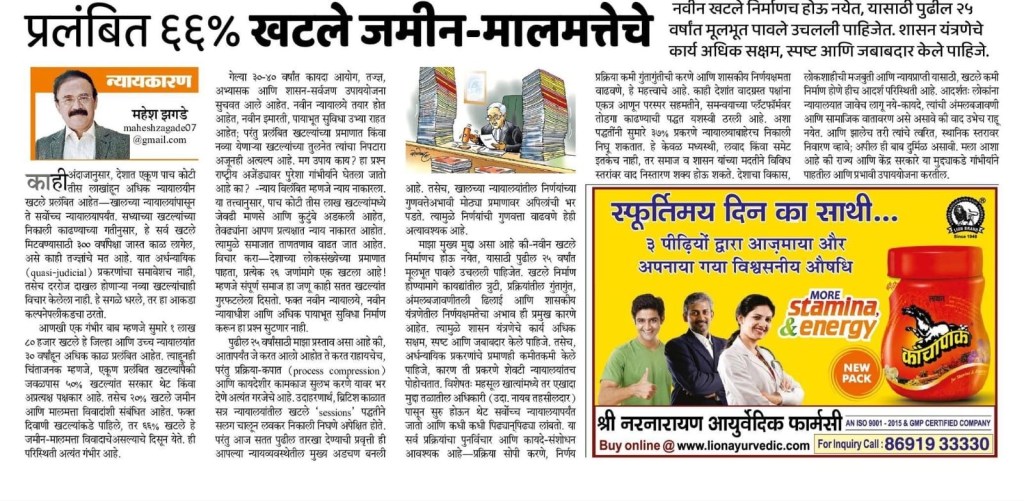
The Judiciary: A System of Justice, or an Architecture of Injustice?

(Marathi version of this article was originally published in daily Divya Marathi on 23/11/2025)

Democracy, in its purest moral imagination, is founded upon a simple yet solemn promise: that no citizen shall suffer injustice. The architecture of a democratic republic is expected to be so lucid—its Constitution so luminous, its laws so unambiguous, its procedures so fair and frictionless—that private disputes would rarely arise, offenses would seldom occur, and even when they did, justice would descend swiftly, firmly, and finally. In an ideal democracy, the law does not merely punish; it prevents. The system does not merely adjudicate; it dissuades wrongdoing itself.

But this raises a question of uncomfortable candor: Has India, in the seventy-five years of its independent existence, forged such a justice system?
The honest answer, stripped of diplomatic varnish, is a resounding no.

An Ocean of Pending Justice

Today, more than 53 million cases linger unresolved in courts across the nation—from the humblest taluka court to the marble halls of the Supreme Court. At the current pace of disposal, some experts estimate that it would take more than 300 years to clear this judicial mountain—an estimate that does not include quasi-judicial matters or the relentless inflow of fresh cases every single day. If those were added, the figure would ascend into an almost mythological dimension.

The deepening tragedy becomes clearer when one observes that over 180,000 cases in district and high courts have been pending for more than three decades. Entire generations have lived and died within the shadow of a single dispute. Even more troubling is the fact that almost half of all pending cases involve the government—as a litigant, appellant, or respondent. Twenty percent relate to land and property conflicts; among civil matters, nearly two-thirds are land disputes alone. This is not merely inefficiency; it is an indictment of the State’s own administrative architecture.

Over the last four decades, Law Commissions, scholars, and governments have poured out reports, warnings, and suggestions. New court buildings have sprouted; judicial posts have expanded; budgets have swollen. Yet the mountain of pendency grows like a self-replicating organism. The speed of resolution still limps far behind the speed of litigation.

What then is the remedy? And is the nation confronting this foundational crisis with the seriousness it demands?

Justice Delayed, Democracy Denied

The old axiom—justice delayed is justice denied—is not a rhetorical flourish; it is a civilizational truth. For every one of these 53 million cases, there are human beings, families, communities—entangled, exhausted, and often financially ruined. If one considers the numbers statistically, India today has approximately one case for every twenty-six citizens. An entire nation appears litigiously entangled, as though legal conflict were an inescapable part of civic life.

But the gravest danger is not the volume; it is the erosion of trust. When justice becomes a distant horizon reachable only through decades of waiting, democracy itself becomes a brittle edifice. A society that cannot deliver timely justice cannot claim to be just at all.

Piling Courts Will Not Automatically Deliver Justice

While more courts, more judges, and better infrastructure are undeniably necessary, experience shows that they alone cannot slay this many-headed monster. Quantitative expansion without qualitative transformation merely expands the labyrinth. Another century of the same approach will not deliver a different outcome.

For the next twenty-five years, India requires something deeper—a re-engineering of legal processes, a ruthless simplification of procedures, and a systemic commitment to process compression. The British envisioned the “sessions system” where trials were to run continuously until resolved. Today, this principle lies buried beneath the culture of perpetual adjournments. The conveyor-belt of “next dates” has become one of the biggest enemies of justice.

Equally troubling is the quality of decisions in the lower courts. Flawed judgments inevitably travel upwards through appeals, creating avalanches of avoidable litigation. Elevating judicial competence, strengthening legal reasoning, and tightening accountability are, therefore, not luxuries—they are necessities.

The First Principle: Preventing Litigation Itself

The central question is not how to resolve 53 million cases faster.
The deeper, more transformative question is:
How do we ensure that cases do not arise in the first place?

Litigation is not a natural phenomenon; it is a symptom—a symptom of unclear laws, cumbersome processes, bureaucratic indecision, and administrative opacity. When government departments themselves are unable to take firm, timely, lawful decisions, they become compulsive litigants. When land records are confused, when property ownership is opaque, when procedures contradict one another, disputes become inevitable.

For genuine transformation, the State machinery must become competent, accountable, and decisive. Decisions must be taken at the right level, within the right time frame, and in the right spirit.

The Quasi-Judicial Labyrinth

The quasi-judicial universe—especially in revenue administration—creates an endless escalator of appeals. A matter may begin before a Naib-Tahsildar and end up in the Supreme Court, traversing decades and sometimes generations. These structures require deep reconsideration: simplification of procedures, reduction of unnecessary levels, and statutory clarity that prevents interpretational conflicts.

Law reform is thus not a legal exercise alone; it is an administrative and moral imperative.

The Global Lesson: Resolve Before You Litigate

Many nations have shown that mediation, conciliation, community-based resolution, and structured negotiation platforms can resolve nearly 37% of disputes before they ever enter a courtroom. This is not limited to commercial arbitration; it includes social, familial, property, and civic conflicts. A society trained to resolve differences gracefully is a society where the judiciary is not overwhelmed—and where justice is not a privilege of the patient few.

In India, however, dispute resolution often begins with confrontation, distrust, and the expectation of litigation. The social environment must shift towards pre-litigation harmony.

A Vision for the Next 25 Years

The golden goal of democracy is not that justice be accessible; it is that justice be rarely needed. In the ideal polity, laws are clear, procedures are transparent, governance is responsive, records are accurate, and conflicts are pre-empted. Citizens should not have to step into a courtroom unless under truly exceptional circumstances.

And when they do, justice should be swift, final, and impeccable—immune to layers of appeal.

A Hopeful Plea

One hopes that in the next quarter-century, both the Union and State governments will treat this crisis not as a judicial inconvenience, but as a national priority. A democracy cannot thrive when half of its moral machinery is jammed. Justice is not a service; it is the sanctity of the Republic.

The question before us is stark:
Do we possess a justice system, or have we quietly accepted an architecture of injustice?
The answer lies not in lamentation but in reform—deep, urgent, fearless reform.

Standard

कोलाहलाचा बोजा: भारताच्या प्राथमिक शिक्षणातील त्रिभाषा सूत्राचा पुनर्विचार

प्रत्येकमूलजगाचानवाआरंभकरतेआपणकायशिकवतोयाचेस्मरणठेवण्यासाठीनव्हे, तरजगआहेतरीका?’ हेविचारण्यासाठी.”

शब्दांचा भरकटलेला संग्राम

भारतातील भाषिक कोलाहलात अनेकदा नुसत्या गोंगाटालाच भाषिक सूक्ष्मतेचा फसवा मुखवटा चढतो. शाळांमधील भाषा धोरणावरून सध्या सुरू असलेली सार्वजनिक चर्चा — जी बहुतांशी मराठी विरुद्ध हिंदी असा बनाव करते — ही एक दिशाभूल करणारी द्वंद्वात्मकता ठरते. हा वाद जणू झाडांच्या पानांवर चर्चा करताना जंगलच विसरून जाण्यासारखा आहे. येथे मूळ प्रश्न एका भाषेच्या विरुद्ध दुसरीची मांडणी नसून, सहा वर्षांच्या अल्लड, कोवळ्या, अद्याप ‘अस्तित्वाच्या वर्णमाले’चा परिचय होत असलेल्या बालमनावर थोपविल्या जाणाऱ्या तीन स्वतंत्र भाषांचा शैक्षणिक विवेक, किंवा त्याचा अभाव, हाच खरा प्रश्न आहे.

राष्ट्रीय शैक्षणिक धोरण २०२० (NEP 2020) हे व्यापक दृष्टीकोनातून स्तुत्य असले, तरी या अत्यंत मूलगामी बाबतीत ते जरा अपुरे पडते. तीन भाषा शिकवण्याच्या धोरणामुळे राष्ट्रीय एकात्मतेस व भाषिक प्रतिनिधित्वास प्राधान्य दिले जाते — परंतु बालकांच्या मेंदूच्या आरोग्यावर त्याचा विपरित परिणाम होतो. ‘विविधतेतील एकता’ हे जसे उदात्त तत्त्व आहे, तसेच ‘विकसनशील समतोलाचा बळी’ हे एक धोकादायक समीकरण ठरते. अर्थात पहिल्याच वर्गापासून तीन भाषा शिकण्याची वैधानिक तरतूद या धोरणातसुद्धा नाही कारण हे धोरण आहे, कायदा नव्हे!

२. बालपणाची नाजूक माती: विज्ञान काय सांगते?

या धोरणाचा परिणाम समजून घेण्यासाठी आधुनिक मेंदूविज्ञान व मानसशास्त्र काय सांगतात, हे समजून घ्यावे लागते.

हरवर्ड विद्यापीठातील ‘Center on the Developing Child’ नुसार, जीवनाच्या पहिल्या काही वर्षांत मुलांच्या मेंदूत दर सेकंदाला १० लाखाहून अधिक नवे न्यूरल कनेक्शन तयार होतात. हे वर्ष — जन्मापासून सुमारे आठव्या वर्षापर्यंत — वैज्ञानिक दृष्ट्या ‘संवेदनशील कालावधी’ मानले जाते. या काळात मेंदू पर्यावरणीय उद्दीपनांस प्रतिसाद देतो, पण तेवढाच संज्ञात्मक भारही सहन करत नाही.

स्विस मानसशास्त्रज्ञ Jean Piaget यांच्या मते, पाच ते अकरा वर्षांचे वय हे ‘संकल्पनात्मक क्रिया टप्पा’ (Concrete Operational Stage) असते. या टप्प्यात मुले संकल्पना, वर्गीकरण, तार्किक अनुक्रम अशा बाबी समजू लागतात, पण विचारांची अमूर्तता अजून नवजात असते. म्हणूनच त्यांना स्पर्शिक अनुभव, शोधाभिमुख शिक्षण व त्यांच्या स्वाभाविक कुतूहलाची जोपासना आवश्यक असते.

आणि अशा या नाजूक वास्तुरचनेत आपण एकाच वेळी तीन भाषा ओततो — स्वतंत्र व्याकरण, उच्चारप्रणाली, भाषासंरचना व साहित्यसंपन्नतेसह! परिणामी काय होते? बहुभाषिक सशक्तीकरण नव्हे तर संज्ञात्मक गोंधळ, पाठांतराची कंटाळवाणेपणा, आणि सर्जनशीलतेचा श्वास घोटणारी भयानक वास्तवता!

३. आकडे काय सांगतात: भाषाभार आणि शैक्षणिक अपयश

या मांडणीला आधार देण्यासाठी वस्तुनिष्ठ आकडे तपासूया.

प्रथम संस्थेने २०२३ मध्ये केलेल्या Annual Status of Education Report नुसार, ग्रामीण भागातील पाचवीच्या सुमारे ५०% विद्यार्थ्यांना दुसरीच्या पातळीवरील मजकूर मातृभाषेतसुद्धा भाषेत वाचता येत नव्हता. इतकेच नव्हे, तर त्या टक्केवारीत गण्याच्या प्राथमिक क्षमतेतही अपयश दिसून आले. मुले मातृभाषेतही कार्यक्षम साक्षरता गाठू शकत नसतील तर तीन भाषांचा भर त्यांच्यावर टाकणे हीच शोकांतिका.

PISA (Programme for International Student Assessment) या OECD च्या आंतरराष्ट्रीय चाचणीमध्ये, भारताचा क्रमांक २००९ मध्ये ७४ पैकी ७३ वा आला. भारत त्यानंतर सहभागी झाला नाही. परंतु सिंगापूर, जपान, दक्षिण कोरिया हे देश दरवेळी आघाडीवर असतात — आणि हे देश दोन भाषांवर लक्ष केंद्रित करतात, तीनवर नव्हे.

फिनलंडमध्ये औपचारिक शिक्षण सातव्या वर्षी सुरू होते, तेही फक्त एका भाषेत. येथे खेळ, शोध, आणि समजूतदार विचारप्रणाली यावर भर असतो. शिक्षणतज्ज्ञ Pasi Sahlberg यांनी म्हटले आहे: लहानवयातशिक्षणासाठीकमीम्हणजेअधिकहेतत्त्वलागूहोतं.”

त्यामुळे भारतीय त्रिभाषा सूत्र हे शैक्षणिक नव्हे, तर विचारसरणीचे अवशेष बनले आहे — सुंदर पण उपयोगशून्य अलंकार.

४. बहुभाषिकता : एक दुधारी तलवार

इथे स्पष्ट करणे गरजेचे आहे — बहुभाषिकता हा खलनायक नाही. उलट, UNESCOAmerican Academy of Pediatrics च्या अभ्यासांनुसार, द्विभाषिक मुलांमध्ये उत्तम विचारक्षमता, कार्यकारी कार्यपद्धती व समस्या सोडवण्याची जास्त क्षमता दिसते. पण हे लाभ हळूहळू भाषा शिकवले तरच प्रकट होतात — आधी मातृभाषेत भक्कम साक्षरता आणि संख्याज्ञान हे आवश्यक.

Journal of Experimental Child Psychology मध्ये २०१८ मध्ये प्रसिद्ध झालेल्या संशोधनानुसार, एकाच वेळी अनेक लिपींशी (जसे देवनागरी, रोमन, उर्दू) ओळख झाल्यास वाचनक्षमता उशिरा विकसित होते. मेंदूचा जास्त वेळ उच्चार समजून घेण्यावर जातो, अर्थ समजावण्यावर नाही.

समय हेच निर्णायक तत्व आहे. विचार करायला शिकणाऱ्या मेंदूला एकाच वेळी तीन भाषेत विचारायला लावणे म्हणजे घातच!

५. शिक्षणाचा पडसाद : शिक्षक, पालक आणि पुस्तकांची हुकूमशाही

या त्रिभाषा धोरणाचे प्रत्यक्ष परिणामही तितकेच गंभीर आहेत. विशेषतः सरकारी शाळांतील शिक्षक आधीच गोंधळात आहेत — त्यांना एकच भाषा नीट शिकवण्याचे प्रशिक्षण मिळालेले नसते, तर तीन शिकवण्याची अपेक्षा ठेवली जाते! पाठ्यपुस्तके वेळेवर मिळत नाहीत. वर्ग कोंदट आणि गच्च असतात. आणि नवोदित, पहिल्या पिढीतले विद्यार्थी — या भाषिक जंगलात स्वतःच वाट काढण्यास भाग पाडले जातात.

पालकही गोंधळतात. एकीकडे मराठी बोलणारी आई, दुसरीकडे हिंदी समजणारे वडील, आणि इंग्रजीत शिकवणारी शाळा — अशा त्रिकोणात शिक्षणाचा आत्मा हरवतो. गृहपाठ युद्ध बनतो. शिक्षण कष्ट बनते. आनंद हरवतो.

आणि परिणामी, आपण अशा पिढीची निर्मिती करतो की जिच्या मुखी तीन भाषांतील क्रियापदे असतात, पण एका भाषेतही “का?” असा प्रश्न विचारायची आत्मिक उमेद नसते.

६. आंतरराष्ट्रीय आरसा : इतर देश आपल्याला काय शिकवतात?

जरा आंतरराष्ट्रीय दृष्टीने पाहूया की शैक्षणिक दृष्ट्या यशस्वी देश काय वेगळं करतात.

फिनलंड: सातव्या वर्षापर्यंत फक्त एकच भाषा, जिज्ञासावर्धनावर आधारित शिक्षण, शिक्षकांना स्वायत्तता, आणि सोळाव्या वर्षापर्यंत कोणतीही प्रमाणित परीक्षा नाही.

सिंगापूर: दोन भाषांची नीती (मातृभाषा + इंग्रजी), शिक्षकांचे दर्जेदार प्रशिक्षण, आणि सुरुवातीपासून STEM (विज्ञान-तंत्रज्ञान) वर भर.

दक्षिण कोरिया: लहान वयातील शिक्षणात मोठी गुंतवणूक, राष्ट्रीय भाषेवर आधारित द्वैभाषिकता, आणि कमी धावपळीचा अभ्यासक्रम.

या कोणत्याही देशाने पहिल्याच इयत्तेपासून तीन भाषा लादलेल्या नाहीत. त्याऐवजी, शिक्षणाचे बांधकाम हळूहळू, एक एक दगड रचत, बालकाच्या मानसिक क्षमतेचा सन्मान राखत केले आहे.

७. भारतीय विसंगती : शैक्षणिकतेचे सोंग घेतलेली धोरणे

भारताची त्रिभाषा योजना ही खरे तर उदात्त हेतूंनी प्रेरित होती — भाषिक ऐक्य राखणे, प्रादेशिक वैविध्य जपणे, आणि उत्तर-दक्षिण समन्वय साधणे. पण केवळ हेतू पवित्र असले म्हणजे परिणामही पवित्रच होतील, असे नाही.

प्रत्यक्षात ही योजना आता एक ‘शासकीय अवशेष’ बनली आहे — एक अशी धोरणात्मक मूर्ती जी मेंदूविज्ञान, शिक्षणशास्त्र व जागतिक अनुभव यांच्याशी काहीही देणेघेणे न ठेवता, जुन्या साच्यात गोठून राहिली आहे.

जेव्हा भाषिक प्रतिनिधित्व हे शैक्षणिक विवेकाच्या जागी येते, तेव्हा आपण अशा पिढीला जन्म देतो जी तीन भाषांत कविता म्हणू शकते, पण एका भाषेत वैज्ञानिक घटना समजावून सांगू शकत नाही. हे रूंदीचा आभास देणारे खोलीचा अभाव असलेले शिक्षण आहे — पाठांतराला प्रतिष्ठा देणारे, पण समजून घेतल्यावर मौन पसरवणारे.

८. घटनात्मक पार्श्वभूमी: कायदे, स्वायत्तता आणि बंधनाची सीमारेषा

भारताची राज्यघटना शिक्षणाला एकीकडे वैयक्तिक प्रवास मानते, तर दुसरीकडे सार्वजनिक कर्तव्य. अनुच्छेद२४६ आणि सप्तमअनुसूचीतील ‘सामायिक यादी’ (List III) हे याचे प्रतिबिंब आहेत. यामध्ये केंद्र व राज्ये दोघांनाही शिक्षण क्षेत्रात कायदे करण्याचा अधिकार आहे. तथापि, जर केंद्र व राज्य यांच्यात एकाच विषयावर मतभेद झाले, तर अनुच्छेद२५४ प्रमाणे केंद्रीय कायद्यास वरील स्थान आहे.

परंतु विशेष बाब म्हणजे — शाळांमध्ये पहिल्याच वर्गापासून तीन भाषा सक्तीने शिकवण्याचा कोणताही केंद्रीय कायदा अस्तित्वात नाही. ही त्रिभाषायोजना केवळ शिफारस म्हणून मांडण्यात आली होती, ती कायद्याने बंधनकारक नाही.

म्हणूनच, महाराष्ट्रशासन अशा धोरणात्मक निर्णय घेत असताना राज्यघटनेच्या मर्यादेत वावरते. मात्र, कायदा करण्याचा अधिकार असूनही, तो ‘शहाणपणाने’ वापरणे ही त्याची नैतिक आणि शैक्षणिक जबाबदारी आहे. केवळ प्रतिनिधित्व किंवा प्रशासकीय समता यासाठी नव्हे, तर मुलांच्या विकासासाठी हे धोरण असले पाहिजे.

९. राष्ट्रीय शैक्षणिक धोरण २०२० : दिशा, आदेश नव्हे

NEP 2020 ही भारताच्या शिक्षणाला नव्याने घडवण्यासाठी आखलेली महत्त्वाकांक्षी रूपरेषा आहे. ती भाषिक विविधतेला स्वीकारते, पण लहान वयातील मेंदूवर होणाऱ्या अति-भाषिक भाराबद्दल सावध करते. त्रिभाषा योजना यात आहे खरे — पण ती प्रथम इयत्तेपासून सक्तीची नव्हे, आणि सर्वांवर लागू होणारी ‘एकसंध’ अटही नव्हे.

विशेषतः कलम 4.12 नुसार, पहिल्या दोन इयत्तांपर्यंत मुलांना मातृभाषेत किंवा प्रादेशिक भाषेत शिकवावे असे सुचवले आहे. कारण या टप्प्यावर लक्ष केंद्रित असते — अक्षर व अंक साक्षरता यावर.

धोरणात हेही सांगितले आहे की, इतर भाषा हळूहळू व विवेकी पद्धतीने शिकवाव्यात — मुलांची मानसिक क्षमता, भाषिक परिसर आणि शिक्षकसामग्री लक्षात घेऊन. मूल एका भाषेत विचार करायला शिकल्याशिवाय त्याच्यावर इतर भाषांचा भार टाकणे म्हणजे पद्धतशीर अन्याय.

त्यामुळे महाराष्ट्र सरकारचे त्रिभाषिक धोरण NEP 2020 च्या मूळ दृष्टीकोनाशी आणि शैक्षणिक भावनेशी विसंगत आहे. जे धोरण विद्यार्थ्यांना सक्षम बनवण्यासाठी होते, त्याचे इथे कोवळ्या मेंदूंवर बोजा बनले आहे.

१०. एक नवी दिशा : भाषाशिक्षणाचा नव्याने विचार

मग पुढचा मार्ग कोणता?

मूलाधार साक्षरता प्रथम: मातृभाषेत मजबूत साक्षरतेने प्रारंभ. UNESCO Global Education Monitoring Report (2022) नुसार, मूल आपल्या मातृभाषेत उत्तम शिकते.

द्वैभाषिक संरचना नंतर: इंग्रजी किंवा हिंदी (किंवा दोन्ही) हळूहळू इयत्ता ५ किंवा ६ पासून सुरू करणे.

विज्ञानवादी दृष्टिकोन: लहान वयात प्रश्न विचारण्याची सवय, कथाकथन, कोडिंग, विज्ञान व तर्कशास्त्र यांचा समावेश.

शिक्षकांचे सशक्तीकरण: भाषाशिक्षणासाठी योग्य प्रशिक्षण, संज्ञानात्मक भार ओळखण्याची क्षमता.

पाठ्यपुस्तकांची पुनर्रचना: भाषा व मजकूर वयानुसार व संस्कृतीशी सुसंगत.

मुलाला श्वास घेऊ द्या…

शिक्षणाला ओळखाच्या राजकारणाचे रणांगण बनवू नका. भारताचे भविष्य भाषिक अभिमानाच्या खंदकात गमावण्यासारखे महाग आहे. एकता हवीच — पण ती हेतूची असावी, नव्हे की आदेशांची.

मुलाला श्वास घेऊ द्या. त्यांना प्रश्न विचारू द्या. चूटचूटीत वाक्य लिहू द्या. नवीन शब्द निर्माण करू द्या. ते खडूने जमिनीवर सूर्यमालेचे चित्र काढतील, कागदातून रॉकेट बनवतील. त्यांना अगोदर एक भाषा आत्मसात करू द्या — मगच तीन शिकवा.

त्यांना शिकण्याचा गोडवा निर्माण होवू द्या — केवळ “रामधारी सिंह दिनकर” आणि “कुसुमाग्रज” पाठ करण्यासाठी नव्हे, तर अणूमधील जादू आणि आकाशातील काव्य शोधण्यासाठीसुद्धा!

शेवटी शिक्षण म्हणजे आपण काय शिकवतो हे नव्हे — मूले काय विचार करतात, काय प्रश्न करतात, काय नव निर्माणाची क्षमता ठेवतात अशा बाबींना प्रोत्साहन देणे, वैचारिकतेला वाव देणे, सर्जनशीलता वाढविणे — हेच खरे शिक्षण. आणि त्यासाठी, कमी म्हणजे अधिक, खोलपणा म्हणजे शहाणपण, आणि नेहमी, ‘अभ्यासक्रमा’आधी ‘मूल’ महत्वाचे हे तत्व अवलंबिने!

Standard

The Burden of Babel: Rethinking India’s Three-Language Formula in Early Education

“Every child begins the world anew—not to remember what we teach them, but to wonder why the world is.”

A Misplaced War of Words

In the cacophony of India’s linguistic landscape, it is easy to mistake noise for nuance. The recent public debate swirling around the language policy in schools—often couched as a contest between Marathi and Hindi—is, at best, a false dichotomy. This parochial framing misses the forest for the trees. The issue is not one language pitted against another, but rather the educational wisdom—or lack thereof—of thrusting three distinct languages upon the shoulders of a six-year-old, fresh from the womb of wonder and still discovering the alphabet of existence.

The National Education Policy (NEP) 2020, laudable in its broader vision, falters in this crucial area. By advocating three languages, it prioritizes national integration and linguistic representation over the cognitive well-being of children. While unity in diversity is indeed a noble motto, unity at the cost of developmental harmony is a dangerous wager, if it is not construed in scientific perspective.

II. The Fragile Clay of Childhood: What Science Tells Us

To understand the gravity of this policy’s impact, we must first revisit what modern neuroscience and psychology tell us about childhood learning.

The brain of a child in the early years is a marvel of neuroplasticity. According to the Center on the Developing Child at Harvard University, over 1 million new neural connections are formed every second in the first few years of life. These formative years—roughly from birth to age 8—represent what scientists call a “sensitive period” for learning. During this phase, a child’s brain is most responsive to environmental stimuli, but also most vulnerable to cognitive overload.

Jean Piaget, the Swiss psychologist whose theories still shape pedagogical frameworks worldwide, defined the ages between 5 and 11 as the “concrete operational stage.” At this stage, children begin to grasp concepts such as conservation, classification, and logical sequencing. However, abstract reasoning is still nascent. They learn best through tangible experiences, inquiry-based exploration, and the nurturing of their innate curiosity.

Into this fragile architecture, we now pour the weight of three fully-formed languages—each with its own grammar, phonetics, syntax, and literary traditions. The result is not multilingual brilliance but cognitive clutter, rote fatigue, and the quiet suffocation of creativity.

III. What the Data Reveals: Language Load Versus Learning Outcomes

Let us anchor this argument with empirical evidence.

The Annual Status of Education Report (ASER) 2023, conducted by Pratham, revealed a troubling trend: nearly 50% of Class 5 students in rural India could not read a Class 2-level text in any language. A similar percentage struggled with basic arithmetic. The implications are stark—despite studying multiple languages, children are not achieving functional literacy in even one.

The PISA assessments, conducted by the OECD every three years to evaluate 15-year-olds in reading, math, and science, rank India far below its Asian peers. While India withdrew from the test after a poor performance in 2009 (where it ranked 73rd out of 74), countries like Singapore, Japan, and South Korea consistently top the charts—each of them focusing on two-language systems, not three.

In contrast, Finland, where formal education begins at age 7 with just one language, continues to produce students with the highest scientific literacy. The Finnish model emphasizes play, discovery, and critical thinking, especially in early grades. As Sahlberg (2011), a Finnish education expert, famously remarked: “Less is more when it comes to learning in the early years.”

The three-language formula in India, therefore, stands as an anomaly—more ideological than educational, more ornamental than effective.

IV. Multilingualism: A Double-Edged Sword

To be clear, multilingualism is not the villain in this narrative. On the contrary, studies by the American Academy of Pediatrics and UNESCO show that bilingual children often exhibit greater cognitive flexibility, better executive function, and enhanced problem-solving skills. But these benefits emerge when second and third languages are introduced gradually, ideally after foundational literacy and numeracy are secured in the mother tongue.

A 2018 study published in the Journal of Experimental Child Psychology found that premature exposure to multiple orthographic systems (different scripts) can delay reading fluency in all languages. The brain, when forced to juggle three scripts—say, Devanagari, Roman, and Urdu—allocates more energy to decoding than to comprehension or creativity.

The key variable is timing. A mind still learning to think in a language should not be asked to think across three.

V. The Pedagogical Fallout: Teachers, Parents, and Textbook Tyranny

The practical consequences of the policy are equally troubling. Teachers, especially in government schools, are stretched thin. Many are undertrained in teaching even one language proficiently, let alone three. Textbooks arrive late. Classrooms are overcrowded. And children, especially first-generation learners, are often left to fend for themselves in the linguistic wilderness.

Parents, too, find themselves alienated. A mother who speaks only Marathi, a father familiar with Hindi, and a classroom taught in English create a triad of confusion. Homework becomes a battleground; learning becomes labor; education loses its joy.

And thus, we raise a generation of children who may know how to conjugate verbs in three tongues, but cannot ask “why” with conviction in even one.

VI. The International Mirror: What Other Nations Teach Us

Let us now peer across the globe to see what educationally successful nations do differently.

Finland: One language until age 7, focus on curiosity-driven learning, teacher autonomy, and no standardized tests till age 16.

Singapore: Two-language policy (mother tongue and English), high-quality teacher training, and STEM focus from early grades. Ranked No.1 in science and math by PISA (2018).

South Korea: Heavy investment in early education, bilingualism with a national language focus, minimal curriculum clutter.

None of these nations impose three concurrent language streams from Grade 1. Instead, they carefully scaffold learning—one building block at a time, respecting the child’s cognitive bandwidth.

VII. The Indian Contradiction: Policy Masquerading as Pedagogy

India’s three-language formula was born out of good intentions: to ensure linguistic unity, preserve regional diversity, and balance north-south sensibilities. But noble intentions do not absolve flawed implementations.

In practice, it has become a bureaucratic relic—a policy frozen in time, immune to the advances in brain science, pedagogical research, and comparative education.

By prioritizing linguistic representation over scientific reasoning, we risk raising a generation that can recite poetry in three languages but cannot write a coherent paragraph analyzing a scientific phenomenon. We confuse breadth for depth, representation for retention, and memorization for mastery.

VIII. The Constitutional Canvas: Law, Autonomy, and the Limits of Prescription

India’s constitutional architecture, in its wisdom, has long recognised education as both a personal journey and a public duty—a shared responsibility between the Centre and the States. This delicate balance finds expression in Article 246, read in conjunction with Schedule VII, where education occupies the Concurrent List (List III). In this shared legislative space, both the Union and individual States are empowered to enact laws and shape educational policy. Yet, the Constitution also anticipates friction: should a conflict arise between a central and state statute on the same subject, Article 254 asserts the primacy of the central law—a safeguard against legislative dissonance.

However, on the specific matter of the imposition of three languages from the very first year of formal schooling, it must be noted with clarity: no central legislation exists mandating such a framework. The much-invoked Three-Language Formula, far from being a statutory command, was a recommendatory device, intended to reflect linguistic pluralism rather than enforce uniformity. It was never enshrined in law; it bears no coercive force.

In the absence of such a central mandate, the States are left free to chart their own linguistic trajectories. They may adopt, modify, or set aside the formula based on their unique demographic, cultural, and educational considerations. Thus, the Government of Maharashtra, in crafting its language education policy, acts well within the bounds of constitutional legitimacy.

Yet, with great autonomy comes profound responsibility. While empowered to legislate, the State is also morally and pedagogically bound to act in the best interests of its children—not merely in the name of cultural representation or administrative uniformity. The developmental needs of the child—cognitive, emotional, and linguistic—must guide the hand that drafts such policies. To legislate is a right; to legislate wisely, a duty.

IX. The National Education Policy 2020: Guidance, Not Mandate

The National Education Policy (NEP) 2020, an ambitious blueprint for reimagining India’s educational landscape, embraces multilingualism as a tool for inclusion and enrichment. It echoes the spirit of India’s linguistic diversity while cautioning against cognitive overload in young learners. The three-language formula is present, yes—but not as an imposition from Grade I, and certainly not as a one-size-fits-all diktat.

Specifically, Section 4.12 and its ancillary provisions within the NEP 2020 propose a gradual and sensitive introduction of multiple languages. The document makes it abundantly clear that in the foundational stage (up to Grade II), children should primarily be taught in their mother tongue or regional language. The rationale is rooted not in politics but in developmental science: foundational literacy and numeracy are to be the bedrock of early education.

Further, the policy advises that the introduction of additional languages be phased and considerate, factoring in the child’s cognitive capacity, the linguistic context of the region, and the availability of competent teachers and materials. It recognises that young minds thrive not in linguistic congestion but in conceptual clarity and gradual exposure.

Thus, the Maharashtra government’s policy to introduce three languages simultaneously from Grade I not only lacks a constitutional compulsion, but stands at odds with the vision, tone, and intent of NEP 2020. What was meant to be a roadmap for empowering learners has here been translated into a premature burden on their still-forming minds.

X. Toward a New Vision: Rethinking the Language Ladder

What then is the way forward?

Foundational Literacy First: Begin with the mother tongue or dominant regional language to build strong literacy skills. This is backed by UNESCO’s Global Education Monitoring Report (2022), which shows children learn best when taught in their home language during early grades.

Bilingual Scaffold Later: Introduce English or Hindi (or both) gradually, from Grade 5 or 6, depending on regional contexts. Allow one language to take root before planting the next.

Scientific Temperament as a Core Objective: Dedicate early grades to cultivating curiosity, problem-solving, and hands-on inquiry. Replace some language load with activities in reasoning, coding, storytelling, or even philosophy for children.

Teacher Empowerment: Train educators in language pedagogy with sensitivity to cognitive loads. Equip them to recognize signs of overload and adapt accordingly.

Curriculum Audit: Regularly review and revise textbooks to ensure linguistic content is developmentally appropriate and culturally relevant.

Let the Child Breathe

Let us not reduce education to a battlefield of identity politics. The future of India cannot afford to be lost in the trenches of linguistic pride. If we must uphold unity, let it be unity in purpose, not in prescription.

Let the child breathe. Let her ask questions. Let her write messy sentences. Let her invent words, build rockets from cardboard, and draw the solar system on the floor with chalk. Let her learn one language well, before burdening her with three. Let her fall in love with learning—not because she must recite “Ramdhari Singh Dinkar” in one period and “Kusumagraj” in the next—but because she sees magic in atoms and poetry in the stars.

In the end, education is not about what we teach; it is about what they retain, question, and create. And for that to happen, less is more, depth over display, and always, child before curriculum.

Standard

मुहूर्ताचा मोह: एका कल्पित शुभक्षणाचे अवडंबर 

मानवी जीवन म्हणजे प्रवाह—अनुभवांचा, आकांक्षांचा, आणि निर्णयांचा अखंड प्रवाह. या प्रवाहात एखादा क्षण ‘शुभ’ असतो तर दुसरा ‘अशुभ’—अशी एक धारणा आपल्या समाजाने संस्कृतीच्या नावाखाली आत्मसात केलेली आहे. ‘मुहूर्त’ ही संकल्पनाही त्याच प्रवाहातील एक काल्पनिक वाटा आहे, जिच्यावर आजही अनेकांची श्रद्धा असून, व्यवहार, विवाह, घरप्रवेश, नवोदयाचे स्वप्न अशा अनेक महत्त्वाच्या घटनांची सुरुवात ‘मुहूर्ता’वरच केली जाते. परंतु, जेव्हा आपण विज्ञानाच्या निर्मळ प्रकाशात ही संकल्पना तपासून पाहतो, तेव्हा या विश्वासाचे बुडाशी उभे असलेले अंधश्रद्धेचे पाय मूळासकट ढासळताना दिसतात.

कशाला हवा मुहूर्त?

‘मुहूर्त’ म्हणजे काय? काही निवडक ग्रह-ताऱ्यांची स्थिती, तिथी, वार, नक्षत्र यांचा एक मिलाफ, ज्याला पुरोहित किंवा जोतिषी शुभ अथवा अशुभ म्हणतात. पण एक प्रश्न विचारावासा वाटतो—काय खरंच आकाशातील ग्रह आपल्या निर्णयांवर परिणाम घडवतात का? जर पृथ्वीवरील एखाद्या व्यक्तीने व्यवसाय सुरू करायचा ठरवले, आणि तोच ग्रहसंयोग आफ्रिकेतील एखाद्या अनोळखी गावातही तसाच असेल, तर तिथल्या व्यक्तीचंही जीवन त्याच मार्गाने चालेल काय?

या प्रश्नाचे उत्तर जर ‘हो’ असेल, तर विज्ञानाचे सारे सिद्धांत फोल ठरावेत. पण वस्तुस्थिती अशी नाही.

शास्त्र आणि अंधश्रद्धा: दोन टोकांची यात्रा

शास्त्र आपल्याला सांगते की ‘काळ’ (Time) हा एक सातत्याने प्रवाहित होणारा आयाम आहे, ज्यात कोणताही क्षण स्वतःहून ‘शुभ’ किंवा ‘अशुभ’ असू शकत नाही. कोणत्याही क्षणाचे मूल्य हे केवळ त्या क्षणी आपण केलेल्या कृतीने ठरते, त्या क्षणाची कोणतीही आकाशीय ‘गुणवत्ता’ नसते. उलट, एखादी संधी गमावण्यामागे मुहूर्ताच्या प्रतीक्षेचा मूर्खपणा कारणीभूत ठरतो, हेच शास्त्रीय दृष्टिकोन सूचित करतो.

इतिहासाचा आरसा: कुठे होते मुहूर्त?

इतिहासात डोकावून पाहा. अलेक्झांडरने मोहिमा काढताना ‘शुभ वेळ’ शोधला होता का? आल्बर्ट आइनस्टाइन किंवा आयझॅक न्यूटन यांनी आपली महान संशोधनयात्रा मुहूर्त पाहून आरंभ केली होती का? मुघल आक्रमक, ईस्ट इंडिया कंपनी, किंवा आपलेच स्वातंत्र्यवीर, महाराणा प्रताप, छत्रपती शिवाजी महाराज इ नी कोणाचा इतिहास एखाद्या पंचांगाच्या पानावर ठरवलेला होता? त्यांनी वेळ निवडली नव्हती, वेळ घडवली होती.

यातून हे स्पष्ट होते की यशाची गुरुकिल्ली ही आकाशात नाही, ती मनात आणि कृतीत असते. महानता ही मुहूर्तावर नव्हे, तर निर्धारावर उभी राहते.

‘शुभ काळ’ हे व्यावसायिक तंत्र

कुठल्याही वस्तूला जर किंमत द्यायची असेल, तर ती दुर्मीळ ठरावी लागते. मुहूर्त सांगणाऱ्या जोतिषी यांनी सिद्धांताचा वापर केला. ही तत्कालीन सर्व जनतेला अत्यावश्यक अशी बाब निर्माण करून “सेवा” हा प्रोडक्ट तयार केला आणि त्याचे अव्याहतपणे आणि कोणत्याही जाहिरातीशिवाय त्याचा प्रसार आणि भीती निर्माण करण्यासाठी त्यांनी वेद, ज्योतिष आणि ग्रंथ यांच्या साहाय्याने लोकांना पटवले की केवळ काही क्षणच शुभ असतात आणि उर्वरित सारे काळ अशुभ. त्यातून त्यांना एक हमखास अर्थार्जनाचा व्यवसाय तयार झाला जो वंशपरंपरागत पुढे चालू राहील आणि ग्राहकांची अजिबात वानवा भासणार नाही. या कल्पनेमुळे लोक संभ्रमित झाले. परिणामी, ‘शुभ काळ’ ओळखून सांगणारे एक संपूर्ण व्यावसायिक वर्ग उभा राहिला—पुरोहित, पंचांगकर्ते, जोतिषी इत्यादी.

ही सेवा म्हणजे एक प्रकारची अनिर्बंध ‘अंतःविक्रय व्यवस्था’ झाली. प्रत्येक विवाह, गृहप्रवेश, व्यवहार, खरेदी, अगदी केस कापण्यापासून नवजात बालकांच्या बारशापर्यंत—सर्व गोष्टींसाठी एखादा ‘शुभ वेळ’ सांगून शुल्क आकारले गेले. यामध्ये समाजातील भयग्रस्तता, अज्ञान आणि ‘देव रागावेल ’ अशा मानसिकतेने खूप मदत केली.

प्रगतीचा अडसर ठरलेली परंपरा

शास्त्र आणि तंत्रज्ञानाच्या क्षेत्रात भारत जगभरात नाव कमावत असताना, समाजाच्या मानसिकतेत मात्र हा पुरातन विषारी अंकुर अजूनही ठाण मांडून बसलेला आहे. आपण ‘चंद्रयान’ चंद्रावर पाठवतो, पण ‘मुहूर्त पाहून रॉकेट उडवले का?’ असा प्रश्न आजही काही मंडळी विचारतात. एवढंच नव्हे, तर कित्येक शासकीय योजनांच्या उद्घाटनांसाठीही ‘मुहूर्त’ शोधला जातो, जणू काही वेळेचे चक्र कोणाच्या आज्ञेवर चालते.

खरे शुभ म्हणजे धैर्य आणि निर्णायक कृती

कुठलाही क्षण शुभ असतो का? हो, जर त्या क्षणी तुम्ही योग्य निर्णय घेऊन धैर्याने कृती केली, तर तो क्षण शुभ असतो. अन्यथा तोच क्षण भय, विलंब आणि शंकांनी भरलेला असतो. इतिहासातील महान वैज्ञानिक, लेखक, नेता किंवा योद्धा यांनी कधीही ‘मुहूर्त’ पाहून कृती केली नाही. त्यांनी वेळ घालवला नाही—वेळ घडवला!

काय करायला हवे?

आजच्या आधुनिक काळात शिक्षण, वैज्ञानिक जागृती आणि विवेकाचा सन्मान यांचा प्रसार करणं आवश्यक आहे. कोणताही तरुण किंवा तरुणी त्यांच्या आयुष्यातील महत्त्वाचे निर्णय घेताना शुद्ध विचार, योग्य नियोजन आणि आत्मविश्वास यांचा आधार घ्यावा, न की एखाद्या ज्योतिषांनी सांगितलेल्या मुहूर्ताची वाट पाहावी.

‘मुहूर्त’ ही संकल्पना म्हणजे एका समाजात  पेरलेली, एक निरंतर चाललेली आणि हमखास खरेदीदार उपलब्ध होणारी व्यावसायिक संधी आहे, जी आजही अनेकांच्या अंधश्रद्धांवर पोसली जाते. या क्षणभंगुर कल्पनां आता तरी हद्दपार व्हायला हव्यात. आपण त्यांच्यावर वैज्ञानिक सत्याचा शिडकावा करायला हवा. कारण माणूस त्याच्या कर्माने मोठा होतो, वेळेच्या सूचनेने नव्हे. 

Standard

The Unfolding Epoch: A Reflection on the Next Twenty-Five Years

The first quarter of the twenty-first century has drawn to a close, and humanity now embarks upon its journey towards the year 2050. While the history of our planet is ancient, the chronicle of mankind is but seventy thousand years old—a mere blink in the grand scheme of time. Prior to this, man was but another creature amidst the teeming multitude of life, bound by nature’s immutable laws. However, with the awakening of intellect, humanity broke free from the passive acceptance of existence, rejecting the principle that governed all other beings—“let it be so that it may continue indefinitely.” In its place, man sought dominion over nature, crafting civilization from the wilderness and shaping culture through the ceaseless march of progress.

There is little need to dwell upon this well-documented history, for its essence is known to all. What demands our scrutiny, however, is the transformation that has since ensued. A mere ten to twelve thousand years ago, humanity abandoned its nomadic ways, embraced agriculture, and established permanent settlements. With this newfound stability arose the necessity of economic and administrative systems, which, over centuries, evolved into the intricate governance structures of today. Yet, in stark contrast to the slow and measured pace of change throughout the preceding millennia, the past 250 years have witnessed an unparalleled acceleration in human advancement.

The year 1776 marked the dawn of the First Industrial Revolution, a seismic shift that redefined human civilization. Since then, three chapters of industrial transformation have unfolded, culminating in the ongoing Fourth Industrial Revolution that commenced in 2011. The impact of this rapid evolution is nothing short of astonishing. The very fabric of our world has been reshaped; its economies, currencies, and societies have undergone a metamorphosis so swift and profound that it may only be described as ‘turbo-speed’ progress.

To illustrate the scale of this change, one must consider the trajectory of human population growth. It took nearly two hundred thousand years for the global population to reach one billion. Yet, from the year 1800 onwards, this figure has multiplied eightfold, surging past eight billion within a mere two centuries. The pace at which human society has transitioned from rural to urban living is equally staggering. Until 1800, only three percent of mankind resided in cities, but today, over fifty-eight percent of the global populace dwells in urban environments. Such transformations, which once took millennia, now unfold within decades.

What, then, lies ahead? If the velocity of change in the past 250 years is any indication, the coming twenty-five years shall unfold at ‘super-turbo speed’—a rate beyond present comprehension. The implications of this are both exhilarating and ominous. On one hand, humanity may stand on the precipice of extraordinary breakthroughs; on the other, we may be witnessing the dawn of an irreversible transformation—one in which Homo sapiens, as we know them, may evolve into an entirely new species. The trajectory of change is no longer in our hands, nor can it be arrested. The only course left to us is vigilance, foresight, and preparation for the trials that lie ahead.

The Perils of Reactive Governance

Yet, as we peer into the future, one cannot help but observe a troubling trend—the persistent inclination of governments and societies to adopt a reactive rather than a proactive stance. The prevailing culture appears to be one of responding to crises only after they have erupted, rather than anticipating and mitigating them in advance. If this mindset persists, the magnitude of challenges in the coming decades may reach such critical levels that remedies will no longer be within our grasp.

The urgency of the hour calls for deep contemplation and decisive action. Every citizen, thinker, policymaker, and administrator must engage in rigorous discourse, charting a course for the future of the nation and the state. Policies must be drafted with foresight, governance must be steered with prudence, and the economy, social structures, and legal frameworks must be refined in anticipation of impending upheavals. But is such deliberation taking place? Is there a grand vision guiding our collective future, or are we merely postponing the inevitable with half-measures and short-sighted policies?

A crucial question arises—have society, government, and intellectuals genuinely attuned themselves to the gravity of the challenges that loom ahead? Are priorities being set in accordance with the severity of these issues? Alas, there is little evidence to suggest so. Just as a physician’s diagnosis is essential before treatment can commence, so too must our problems first be understood before solutions can be devised. If we remain oblivious to the crises we face, how shall we ever address them?

Governments ought to present a clear and comprehensive projection of the hurdles that await both the nation and the state. The people must be informed of the strategies devised to confront these adversities, and transparent discourse must replace the vague assurances and hollow rhetoric that have too often defined political narratives.

The Crisis of Problem-Illiteracy

A short while ago, I publicly posed a question on social media, urging citizens to list the most pressing challenges confronting our nation and state in descending order of severity. The responses, or rather the lack thereof, revealed a disturbing truth—we suffer not just from a lack of solutions but from a far graver affliction: ‘problem-illiteracy.’ We are an educated society, yet one woefully unaware of the real issues plaguing us. As a collective, we remain oblivious to the existential threats at our doorstep, and this ignorance may prove to be our greatest peril.

It is imperative that we reclaim our focus from the distractions that have veiled the truth. A distressing pattern has emerged in governance, policymaking, and political discourse—one in which genuine problems are ignored, and artificial ones are manufactured to serve vested interests. Emotional rhetoric has replaced reasoned deliberation, and superficial debates have supplanted meaningful dialogue. This malady extends beyond the realm of politics, infecting even the private sector, where self-interest often takes precedence over long-term stability. If we fail to identify and address the real challenges of our time, how shall we ever hope to overcome them?

The Path Forward

The velocity of change in our world has reached a perilous juncture, and the next twenty-five years shall be among the most defining in human history. We stand at a crossroads, where every decision, every policy, and every action shall reverberate far into the future. It is, therefore, incumbent upon us to engage in earnest deliberation on the challenges that await—at the global, national, and state levels.

In the forthcoming discussions, we shall examine the critical issues that must be addressed if we are to navigate the complexities of the coming age. Let us embark upon this discourse not with fear, but with resolve—for the future shall not be shaped by mere observers, but by those with the vision and will to act.

(Marathi translation of this article was published in the daily Divya Marathi on 16/3/2025)

Standard

माणुसकी आणि अमानवी श्रमाची कल्पना

आजच्या तंत्रज्ञानाच्या युगात जिथे मानवी जीवन अधिक चांगले करण्याचा प्रयत्न होत आहे, तिथेच लार्सन अँड टुब्रो (एल अँड टी) चे अध्यक्ष श्री. एस.एन. सुब्रह्मण्यन यांच्या विधानाने मोठा गोंधळ माजवला आहे. आपल्या कर्मचाऱ्यांना उद्देशून एका व्हिडिओमध्ये त्यांनी ९० तास आठवड्याचे काम आणि रविवारचा त्याग करण्याचा सल्ला दिला. इतकेच नव्हे, तर “पत्नीकडे किती वेळ बघणार?” असा वादग्रस्त प्रश्न विचारत त्यांनी कुटुंब आणि कामाच्या संतुलनाबद्दल त्यांच्या विचारांचे स्पष्ट दर्शन घडवले. हे विधान केवळ चुकीचे नाही, तर अमानवी आहे, ज्यामध्ये कामाला माणसाच्या अस्तित्वाच्या केंद्रस्थानी ठेवले आहे आणि जीवनाचा आनंद, कुटुंबीयांबरोबरचा वेळ, आणि इतर आनंददायी उपक्रम नाकारले आहेत.

मानवतेचा अवमान

९० तास कामाचा आठवडा सुचवणे म्हणजे माणसाला केवळ उत्पादनक्षम यंत्र मानणे होय. अशा विचारसरणीत माणसाचे मूल्य केवळ त्याच्या कामगिरीवर ठरते. जीवन ही केवळ काम करण्यासाठीची यंत्रणा नसून कुटुंब, विश्रांती, सर्जनशीलता आणि समाधानाचा समतोल साधणारी सुंदर गोष्ट आहे.

सततच्या श्रमांमुळे होणाऱ्या मानसिक आणि शारीरिक त्रासांचे परिणाम स्पष्ट आहेत. संशोधनानुसार, अति कामाच्या तणावामुळे हृदयविकार, ताण, नैराश्य आणि इतर गंभीर आजार होऊ शकतात. जागतिक आरोग्य संघटनेनेही जास्त कामामुळे अकाली मृत्यू होण्याचे धोकादायक परिणाम सांगितले आहेत. अशा विधानांमुळे प्रगती होत नाही, तर वैयक्तिक आणि सामाजिक स्तरावर मोठे नुकसान होते.

जीवनाचे एकात्मिक स्वरूप नाकारणे

रविवार आणि कुटुंबीयांसोबत घालवायचा वेळ नाकारणे म्हणजे मानवी अस्तित्वाच्या अनेक पैलूंना नाकारणे होय. कामाबाहेरचे हे क्षण केवळ विश्रांतीचे नाहीत तर सर्जनशीलता वाढवणारे, आत्मशक्ती निर्माण करणारे आणि सामाजिक संबंध दृढ करणारे असतात.

पत्नीकडे बघण्याबद्दलचे विधान केवळ कौटुंबिक नातेसंबंधांचा अवमान करीत नाही, तर नातेवाईकांसोबत असलेल्या संबंधांच्या आनंद आणि जबाबदाऱ्यांनाही दुय्यम मानते. यामुळे माणूस केवळ नोकरीपुरता सीमित होतो आणि त्याचे खरे जीवन जगायचे ध्येय हरवते.

पितृसत्ताक छायांचे दर्शन

श्री. सुब्रह्मण्यन यांनी केलेल्या विधानाचे अजून एक गंभीर मुद्दे म्हणजे त्यातील स्त्री-पुरुष दुजाभावातील पूर्वग्रह. कर्मचाऱ्यांना पुरुष समजून “पत्नीकडे बघण्याचा” उल्लेख करणे हे स्पष्ट करते की महिलांना त्यांनी कामाच्या ठिकाणी दुय्यम समजले आहे. हे विधान मनुस्मृतीच्या जुनाट विचारांशी सुसंगत आहे, जिथे स्त्रियांना केवळ घरगुती जबाबदाऱ्यांपुरते मर्यादित ठेवले गेले आहे.

खरेतर, ते “स्त्रिया त्यांच्या पतीकडे किती वेळ बघणार?” असा प्रश्न सुद्धा विचारू शकले असते पण स्त्रीद्वेषाने पछाडल्याची मानसिकता त्यांच्यामध्ये ओतप्रोत भरलेली असल्याने त्यांनी स्त्रिया घरीच राहाव्यात हे त्याच्यातून ध्वनित होते. तसा विचारला असता, तर त्यांच्या विधानाची हास्यास्पदता आणि मागसलेली मानसिकता उघड झाली असती. स्त्री-पुरुष दुजाभाव नष्ट करण्यासाठी झटणाऱ्या समाजात अशा प्रकारची विधाने केवळ अयोग्यच नाहीत, तर ती अपमानास्पद आणि हानिकारकही आहेत.

कंपन्यांच्या अमानवी वृत्तीचे प्रदर्शन

श्री. सुब्रह्मण्यन यांच्या विधानांचा परिणाम व्यापक आहे. ते अशा मनोवृत्तीचे प्रतीक आहे जी नफ्याला माणसांपेक्षा अधिक महत्त्व देते. अशी विचारसरणी केवळ कर्मचाऱ्यांच्या कल्याणावर परिणाम करत नाही, तर ती संस्थेच्या नैतिकतेलाही हानी पोहोचवते, जिथे कामाचा उद्देश सहकार्याऐवजी शोषण वाटतो.

तसेच, ९० तास कामाच्या आठवड्याची कल्पना उत्पादनक्षमतेबद्दलच्या चुकीच्या समजुतींवर आधारित आहे. संशोधनाने सिद्ध केले आहे की अधिक काम करण्याने अधिक चांगले परिणाम मिळत नाहीत. उलट, कामाचा ताण वाढल्याने चुका होतात, सर्जनशीलता कमी होते आणि कर्मचारी कामापासून दुरावतात. खऱ्या प्रगतीसाठी कामाच्या ठिकाणी वैयक्तिक आणि व्यावसायिक दोन्ही स्तरावर लोकांना फुलण्यासाठी चांगले वातावरण निर्माण करणे गरजेचे आहे. आर्थिक, वैज्ञानिक आणि सामाजिक प्रगती ही जास्त कामाच्या तासांवर अवलंबून नसते. जगातील आर्थिक महासत्ता असलेल्या अमेरिकेची प्रगती नव्या कल्पनांवर, कार्यक्षमतेवर आणि काम-जीवन संतुलनावर आधारित आहे, ९० तासांच्या कामाच्या आठवड्यावर नव्हे, जसे की एस. एन. सुब्रह्मण्यन यांनी चुकीने सुचवले. खरी प्रगती ही सर्जनशीलता आणि चांगल्या जीवनशैलीला प्रोत्साहन देण्यावर आधारित असते, अतिरेकी कष्टांवर नव्हे.

मानवी जीवनाला प्राधान्य द्या

श्री. सुब्रह्मण्यन यांच्या विधानाने झालेला रोष समाजातील बदलत्या मूल्यांचे प्रतीक आहे. हे विधान कामाला सर्वांत महत्त्वाचे स्थान देणाऱ्या अमानवी विचारांचे खंडन करते आणि जीवन व काम यामधील संतुलन राखण्याचा आग्रह धरते. जे नेते याची जाणीव ठेवत नाहीत, ते केवळ त्यांच्या कर्मचाऱ्यांना परके करतातच, पण कालबाह्यही ठरतात.

शेवटी, श्री. सुब्रह्मण्यन यांचे विधान केवळ एका सीईओला न शोभणारे नाही, तर ते आपल्याला सतर्क करण्यासाठी एक इशारा आहे. कामाने माणसांचे जीवन गिळंकृत करण्याऐवजी, माणसांनी कामाचे स्वरूप बदलून ते मानवी कल्याणासाठी वापरणे गरजेचे आहे. चला, आपण असे जग निर्माण करू जिथे काम हे मानवतेसाठी असते, मानवता कामासाठी नव्हे.

Standard

२०२४ ला निरोप देताना.

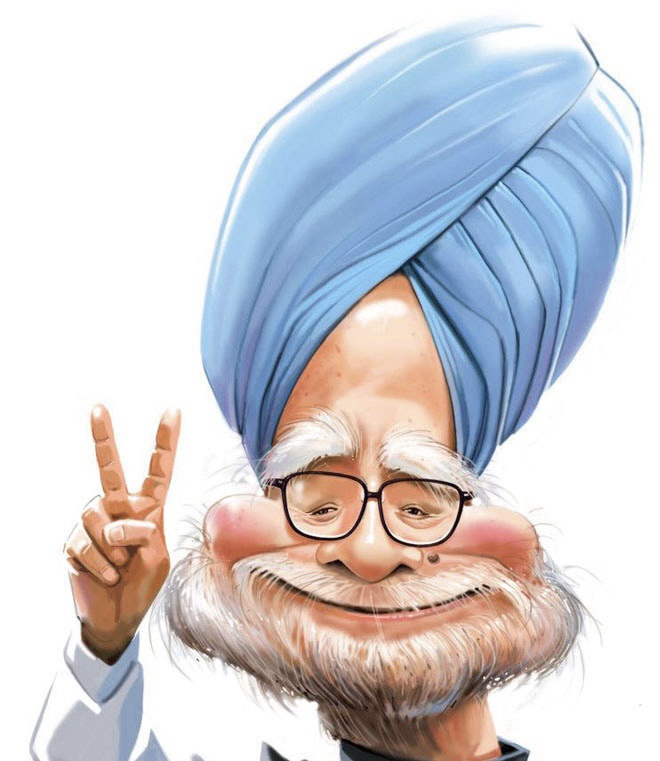
२०२४ हे वर्ष संपत असताना, जग दोन विलक्षण व्यक्तींच्या जाण्यामुळे हळहळ करीत आहे.  डॉ. मनमोहन सिंग, एक थोर अर्थतज्ज्ञ आणि दूरदृष्टी असलेले राज्यकर्ते, आणि जिमी कार्टर, शांततेचे जागतिक प्रतीक आणि साधेपणाचे मूर्तिमंत उदाहरण, या दोघांनीही वर्षाच्या शेवटच्या आठवड्यात आपला देह ठेवला. त्यांच्या जीवनाने दाखवलेले आदर्श आजही तितकेच महत्त्वाचे आहेत जितके त्यांच्या जीवनकाळात होते.

डॉ. मनमोहन सिंग — एक शैक्षणिकदृष्ट्या प्रगल्भ अर्थतज्ज्ञ आणि दृष्टीसंपन्न नेते — अत्यंत सामान्य परिस्थितीतून उभे राहिले. फाळणीच्या गदारोळात जन्मलेले, त्यांनी पंजाबच्या वाळवंटातून कॅम्ब्रिज विद्यापीठाच्या नामांकित प्रांगणापर्यंतचा प्रवास केला. एक असामान्य विद्वान म्हणून, त्यांनी भारताच्या आर्थिक स्वप्नांचा भार आपल्या कुशाग्र बुद्धिमत्तेवर उचलला. १९९० च्या दशकाच्या सुरुवातीस भारताच्या आर्थिक सुधारणांचे शिल्पकार म्हणून त्यांनी देशाला जागतिक आर्थिक शक्तीमध्ये रूपांतरित केले. तरीही, त्यांच्या सर्व यशानंतरही, डॉ. सिंग यांचा स्वभाव अतिशय साधा आणि नम्र राहिला. जगातील सर्वात मोठ्या लोकशाहीच्या पंतप्रधान पदावर असूनही, त्यांनी नेहमीच सामान्य माणसासारखी वागणूक ठेवली, आपल्या पदाचा दिखाऊपणा टाळला.

दुसरीकडे, जिमी कार्टर, अमेरिकेचे ३९वे अध्यक्ष, यांनी शांततेसाठी आणि मानवतेसाठी स्वतःला वाहून घेतले. जॉर्जियामधील प्लेन्स या छोट्या गावातील भुईमूग  शेतकरी ते जगातील सर्वात शक्तिशाली पदावर पोहोचण्याचा त्यांचा प्रवास त्यांचा दृढनिश्चय आणि मूल्यांवरील निष्ठेचा पुरावा आहे. अध्यक्षीय कारकीर्दीतील आव्हानांनाही त्यांनी शांततेसाठीच्या त्यांच्या प्रामाणिक प्रयत्नांनी प्रतिसाद दिला — मग ते कॅम्प डेव्हिड करार असो किंवा मानवी हक्कांसाठीचे समर्थन असो. पद सोडल्यानंतरही, मानवी सेवेसाठी त्यांची असामान्य बांधिलकी सर्वांपेक्षा वेगळी ठरली, ज्यामुळे त्यांना २००२ साली नोबेल शांतता पुरस्कार प्रदान करण्यात आला.

जरी त्यांचे मार्ग भिन्न होते, तरीही त्यांच्या जीवनामध्ये एक समान धागा होता — साधेपणा आणि त्यांच्या मुळांशी जोडलेली नाळ. डॉ. सिंग आपल्या शांत आणि सभ्य वागणुकीमुळे सामान्य माणसाशी तितक्याच आत्मीयतेने संवाद साधायचे जितक्या सहजतेने जागतिक नेत्यांशी बोलायचे. जिमी कार्टर, आपल्या साधेपणासाठी प्रसिद्ध, टी-शर्ट घालून व्हाइट हाऊसमध्ये हजर राहायचे, जे त्यांच्या मातीशी जोडलेल्या स्वभावाचे प्रतीक होते. या दोघांनीही आपल्या पदाचा दिखावा न करता, सेवेला आणि साधेपणाला प्राधान्य दिले.

कार्टर यांच्या जीवनातील एक कमी परिचित पण प्रेरणादायक गोष्ट म्हणजे त्यांची आई, लिलियन कार्टर. प्रशिक्षित परिचारिका आणि मानवतेसाठी समर्पित असलेल्या लिलियन यांनी मुंबईतील धारावी झोपडपट्टीत काही काळ सेवा केली, ही सेवा गाजावाजा न करता केली गेली. हा परोपकारी भाव कार्टर कुटुंबाच्या मूल्यांमध्ये खोलवर रुजलेला होता — एक मूल्य ज्याचे पालन जिमी कार्टर यांनी संपूर्ण जीवनभर केले.

त्यांच्या वारशाचा विचार करताना, त्यांच्या साध्या सुरुवाती आणि त्यांनी गाठलेल्या विलक्षण उंची यातील तीव्र विरोधाभास जाणवतो. डॉ. सिंग, शैक्षणिक कष्ट आणि आर्थिक न्यायासाठी अढळ वचनबद्धता यांचे प्रतीक, आणि कार्टर, शांततेचे आणि मानवी करुणेचे प्रतीक, या दोघांनीही दाखवले की खरे नेतृत्व तामझामात नाही, तर प्रामाणिकपणात आहे; शक्तीमध्ये नाही, तर हेतूमध्ये आहे.

त्यांचे जीवन आपल्याला महानतेच्या व्याख्या पुन्हा दृढ करायला लावतात. नाटकीपणा आणि तकलादू  गोष्टींनी व्यापलेल्या काळात, सिंग आणि कार्टर आपल्याला स्मरण करून देतात की सन्मान, नम्रता आणि व्यापक हितासाठी समर्पण हीच खऱ्या नेत्यांची लक्षणे आहेत. त्यांनी त्यांच्या योगदानांमुळे जग समृद्ध केले आणि पुढील पिढ्यांसाठी एक आव्हान ठेवले: प्रामाणिकपणे नेतृत्व करा, नम्रतेने सेवा करा आणि मानवतेला उन्नत करणारी वारसा निर्माण करण्यासाठी प्रयत्न करा.

या दोन दिग्गजांना निरोप देताना, त्यांच्या जाण्याने त्यांच्या प्रकाशाचा कधीच विसर पडणार नाही. तो त्यांच्या तयार केलेल्या धोरणांमध्ये, त्यांनी स्पर्श केलेल्या जीवनांमध्ये आणि त्यांनी जपलेल्या आदर्शांमध्ये जिवंत राहतो. त्यांच्या स्मरणार्थ, आपण त्यांचे जपलेले मूल्य टिकवून ठेवण्यासाठी प्रयत्न करूया, जेणेकरून त्यांच्या असामान्य वारशाने पुढील पिढ्यांना प्रेरित करणे सुरूच राहील.

-महेश झगडे, IAS(नि)

Standard

Bidding adieu to 20204.

As the year 2024 draws to a close, the world finds itself bereaved of two extraordinary figures who graced their respective spheres with rare leadership, humility, and an indomitable spirit. Dr. Manmohan Singh, a statesman of towering intellect and academic brilliance, and Jimmy Carter, a global emblem of peace and simplicity, departed from this mortal realm in the last week of the year. Each of these luminaries leaves behind a legacy unparalleled in its essence, embodying virtues that remain as vital today as they were during their lifetimes.

Dr. Manmohan Singh—an academically accomplished economist and a visionary statesman—emerged from the humblest of beginnings, embodying the resilience of a geologically displaced soul. Born amidst the turmoil of partition, he traversed the arduous path from the dusty plains of Punjab to the esteemed corridors of Cambridge University. A scholar of exceptional merit, he carried the weight of India’s economic aspirations on his erudite shoulders. As the architect of India’s economic liberalization in the early 1990s, he engineered reforms that altered the trajectory of a nation, transforming it into a global economic force. Yet, for all his accomplishments, Dr. Singh’s demeanor remained strikingly unassuming. As Prime Minister of one of the world’s largest democracies, he epitomized the virtues of humility, often carrying himself with the quiet grace of a commoner rather than the grandeur of his office.

In a parallel sphere stood Jimmy Carter, the 39th President of the United States, whose life and work radiated a profound commitment to peace and human dignity. Born to modest beginnings as a peanut farmer in Plains, Georgia, Carter’s ascension to the most powerful office in the world was a testament to his steadfast resolve and the strength of his convictions. His presidency, though marked by challenges, was defined by his relentless pursuit of peace—be it through the historic Camp David Accords or his unwavering advocacy for human rights. Even after leaving office, Carter’s dedication to humanitarian causes set a gold standard for post-presidential life, earning him the Nobel Peace Prize in 2002.

Despite their distinct paths, the lives of these two giants were bound by a common thread of informality and an abiding connection to their roots. Dr. Singh, with his signature turban and soft-spoken demeanor, was as likely to engage with the common man as he was with global leaders. Carter, famously unpretentious, would often attend the White House in a T-shirt, a sartorial choice that spoke volumes of his grounded nature. Both men, in their own ways, eschewed the trappings of power, choosing instead to focus on service and simplicity.

A lesser-known but profoundly inspiring facet of Carter’s life lies in the story of his mother, Lillian Carter. A nurse by training and a humanitarian at heart, she spent time working in the Dharavi slum of Mumbai, quietly serving one of the most impoverished communities in the world. This act of altruism, carried out without fanfare, reflects the Carter family’s deep-seated ethos of service to humanity—a value that Jimmy Carter himself upheld throughout his life.

In reflecting upon their legacies, one is struck by the stark contrast between their humble origins and the extraordinary heights they reached. Dr. Singh, a product of academic rigor and an unwavering commitment to economic justice, and Carter, a symbol of peace and human compassion, both demonstrated that true leadership lies not in ostentation but in authenticity, not in power but in purpose.

Their lives challenge us to reconsider our definitions of greatness. In an era often dominated by theatrics and superficiality, Singh and Carter remind us that dignity, humility, and a steadfast dedication to the greater good are the hallmarks of true leaders. They leave behind a world richer for their contributions and an enduring challenge to those who follow: to lead with integrity, to serve with humility, and to aspire toward a legacy that uplifts humanity.

As we bid farewell to these two giants, we are reminded that their light does not dim with their passing. It lives on in the policies they shaped, the lives they touched, and the ideals they embodied. In their memory, let us strive to uphold the values they cherished, ensuring that their extraordinary legacies continue to inspire generations to come.

-Mahesh Zagade, IAS(rtd)

Standard

सामूहिक चेतनेच्या झोपेचा शाप  

मानवाच्या इतिहासात अनेक वेळा असे घडले आहे की, मानवाच्या निष्काळजीपणामुळे भयानक संकटे निर्माण झाली आहेत. एकत्रित निष्क्रियतेच्या झोपेमुळे अन्याय, हुकूमशाही राजवटी, आणि अस्तित्वाला धोका पोहोचवणारे संकटे जोमाने फोफावली आहेत. जणू समाजाची सामूहिक इच्छाशक्ती सुस्त झाली असून, ती त्यांच्या भविष्यकाळाला वाईट दिशेने वळविणाऱ्या शक्तींना आत्मसमर्पण करते. या झोपेतून मानवता संकटांमुळेच जागी होते आणि त्या काळातील हानी भरून काढण्यासाठी पुन्हा प्रयत्न करते. जणू संकट हेच जागृतीसाठी मोजले जाणारे मूल्य आहे.

जातिव्यवस्थेचा शाप:

भारतीय उपखंडात सुमारे ३५०० वर्षांपूर्वी वर्णाश्रम व्यवस्थेचा उगम झाला. सुरुवातीला ती समाजातील भूमिकांची आखणी करणारी होती. पण, समाजाच्या सामूहिक निष्क्रियतेच्या झोपेमुळे, ही व्यवस्था कठोर जातिव्यवस्थेत बदलली आणि लाखो लोकांना अपमानजनक व दडपलेल्या जीवनाची शिक्षा भोगावी लागली. बहुसंख्य लोकांच्या सामूहिक निष्क्रियतेच्या झोपेमुळे अन्यायाचा स्वीकार झाला आणि तो समाजात रुजला. आजही ही जातिव्यवस्था समाजाच्या जखमांवर व्रणासारखी राहिली आहे, जी सामूहिक निष्काळजीपणाचे प्रतिक आहे.  

मानवी गुलामगिरी:

मानवी गुलामगिरी हा इतिहासातील काळोख्या अध्यायांपैकी एक आहे. शतकानुशतके समाजाने गुलामगिरीला स्वीकृती दिली, जिथे माणसांना मालमत्तेसारखे विकले आणि वापरले गेले. ही नैतिक अधोगती केवळ अज्ञानामुळेच नाही, तर व्यापक निष्क्रियतेमुळे आणि फायदा घेणाऱ्या लोकांच्या शांततेमुळे होती. गुलामगिरी फोफावण्यामागे समाजाचे उदासीन मौन हे महत्त्वाचे कारण होते. आजही आधुनिक गुलामगिरी व मानवी तस्करीच्या रूपात तिचे पडसाद उमटतात.  

हुकूमशाही:

इतिहासात अनेक अत्याचारी शासकांच्या उदयामागे मानवाच्या सामूहिक निष्क्रियतेच्या झोपेचा मोठा हात आहे. हुकूमशाही ही समाजाच्या जागृतीच्या अभावात फोफावते. हिटलर, स्टालिन, माओ, पोल पॉट यांसारख्या शासकांनी समाजाच्या शांततेचा फायदा घेतला. त्यांच्या क्रौर्याला विरोध करण्याऐवजी, समाजाने भय, प्रचार आणि चुकीच्या निष्ठेमुळे शांत राहणे पसंत केले.  

मुळनिवासी लोकांचा नाश:

उत्तर अमेरिकेतील मुळनिवासी लोकांचा नाश हा सामूहिक चेतनेच्या झोपेचा आणखी एक दुर्दैवी अध्याय आहे. लालच आणि विस्तारवादाच्या तिरमिरीत युरोपियन वसाहतकऱ्यांनी संपूर्ण संस्कृती संपविल्या. लोकांना विस्थापित केले, करार तोडले आणि त्यांच्या जमिनी काढून घेतल्या.  

दक्षिण आफ्रिकेतील वर्णविरोध:

दक्षिण आफ्रिकेतील वर्णविरोध हा सामाजिक निष्क्रियतेचा एक जळजळीत उदाहरण आहे. अनेक दशकांपर्यंत वर्णविरोधी प्रणाली चालू राहिली, कारण विशेषाधिकार असलेले अल्पसंख्याक गप्प राहिले आणि जागतिक समुदायाने पुरेसा हस्तक्षेप केला नाही.  

हवामानबदलाचा धोका:

आज मानवतेसमोर सर्वात मोठे आव्हान आहे हवामानबदल. राजकारणी चालढकल करतात, कंपन्या फायद्यासाठी निसर्गाचा नाश करतात, आणि समाज सुस्त जीवनशैलीत अडकलेला आहे. ही सामूहिक निष्क्रियतेची  झोप मानवतेसाठी धोकादायक ठरू शकते.  

टेक्नो-फ्यूडलिझम आणि बेरोजगारी:

तंत्रज्ञानामुळे पारंपरिक रोजगार नष्ट होत आहेत. भांडवलदार आणि तंत्रज्ञान क्षेत्रातील सरकारांवर प्रभाव टाकून सामान्य लोकांचे नुकसान करत आहे. समतोल न राखल्यास हा प्रकार मोठ्या आर्थिक संकटाला जन्म देऊ शकतो.  

तिसऱ्या महायुद्धाचे सावट:

आज जागतिक शांततेला सर्वात मोठा धोका आहे जागतिक संघर्षाचा. राष्ट्रीयवाद, आर्थिक स्पर्धा आणि अण्वस्त्रांचा प्रसार यामुळे तिसऱ्या महायुद्धाचे सावट निर्माण झाले आहे. यासाठी जागृती आवश्यक आहे, अन्यथा इतिहासाची पुनरावृत्ती होण्याचा धोका आहे.  सामूहिक निष्क्रियतेमुळे झोपेमुळे हा धोका अति गंभीर आहे. दोन महायुद्धांतून शिकवलेले धडे, जे मोठ्या किंमतीने शिकले गेले, आधुनिक जागतिक राजकारणाच्या गोंधळात विसरले जाण्याचा धोका आहे. जागतिक संकटाचा मार्ग धाडसी कृतींनी नव्हे, तर शांतपणे समाजांनी शांतता मागण्याची जबाबदारी टाळल्यामुळे प्रशस्त होतो.  

मानवजातीचा इतिहास हा एक चेतावणी देणारा धडा आणि कृतीसाठी एक आवाहन आहे. सामूहिक जाणीवेच्या सततच्या झोपेमुळे अत्याचार, अन्याय, आणि अस्तित्वासाठी घातक संकटे वाढत गेली, ज्यामुळे अनेक पिढ्यांना मोठा फटका बसला आहे. मात्र, हे  दुष्चक्र मोडण्याची क्षमता मानवजातीच्या हातात आहे. निष्क्रियतेच्या धोक्यांविषयी जागरूक राहून, उदासीनतेला झुगारून, जागरूकता आणि कृती यांच्या आधारे भविष्य घडवणे आपल्या हातात आहे.  

शेवटी, आपल्या समोर उभ्या असलेल्या आव्हानांपेक्षा मोठा शाप म्हणजे आपण त्या आव्हानांना उघड्या डोळ्यांनी सामोरे जाण्यात अपयशी ठरणे होय. इतिहासातील हा क्षण जागृतीचा बनो, नाहीतर भविष्यातील पिढ्या आपल्याकडे पाहतील आणि विचारतील की, त्यांच्या गरजेच्या क्षणी ते  का झोपेत होते ? 

मानवतेच्या इतिहासात संकटांमुळेच जागृती आली आहे. या जागृतीच्या अभावामुळे संकटे, अन्याय, आणि धोक्यांना वाव मिळतो. परंतु, ही जागृतीच आपली भविष्यातील वाटचाल बदलू शकते, जर आपण निष्क्रियतेतून बाहेर पडलो तर.

Standard

Dr. Manmohan Singh: A Quintessential Embodiment of Leadership

In the somber hours of last night, India bid farewell to one of its most illustrious sons, Dr. Manmohan Singh, the former Prime Minister of India. His passing marks the end of an era defined by quiet strength, intellectual brilliance, and unyielding integrity. A persona untouched by hypocrisy, boisterousness, or self-aggrandizement, Dr. Singh was the living embodiment of the adage, “A virtuous life is sufficient for greatness.” He was no less than a dream of Bharat Mata realized in human form, dedicating his entire existence to the service of the nation and its ideals.

The Financial Architect of Modern India

Dr. Singh’s legacy as the architect of modern India’s economic landscape is unparalleled. A distinguished economist of global repute, he steered the country through transformative economic reforms in 1991, which catapulted India from the brink of economic collapse to a path of liberalization and growth. As Finance Minister, his visionary policies dismantled the License Raj, opened India to global markets, and laid the foundation for its emergence as a major economic power. The balance-of-payments crisis of the early 1990s could have been catastrophic, but under his stewardship, India emerged stronger, its economy rejuvenated and its people inspired by new possibilities.

Dr. Singh’s tenure as Prime Minister (2004-2014) was equally momentous. It was under his leadership that India experienced unprecedented economic growth, burgeoning international stature, and critical strides in infrastructure, education, and healthcare. His calm demeanor and meticulous decision-making inspired trust and respect both domestically and internationally. He was a statesman who preferred the quiet diligence of action over the clamor of rhetoric, ensuring that the results of his labor spoke volumes.

An Intellectual Treasure

Dr. Manmohan Singh’s intellectual prowess was a beacon of hope in a political arena often dominated by populism and noise. Armed with a doctorate in Economics from the University of Oxford, his academic rigor and depth of understanding were unparalleled. Yet, despite his towering intellect, he remained profoundly humble, a trait that endeared him to colleagues and citizens alike. His speeches, though measured and understated, carried the weight of deep thought and genuine concern for the welfare of the people.

India mourns the loss of one of its most luminous intellectual treasures. Dr. Singh was not merely a policymaker but a philosopher-statesman whose vision extended beyond immediate political gains to encompass the long-term well-being of the nation. His life’s work serves as a testament to the power of intellect and virtue in shaping a country’s destiny.

The Essence of Leadership

Dr. Singh’s leadership was characterized by an unwavering commitment to ethical governance. He stood apart in a political landscape often marred by opportunism and divisiveness. A man of few words, he eschewed the trappings of power and remained firmly rooted in the ideals of service and humility. His ability to navigate the turbulent waters of coalition politics without compromising on principles is a testament to his diplomatic acumen and moral fortitude.

As Prime Minister, he personified what a leader ought to be—a steward of the nation’s trust, a guardian of its future, and a symbol of its aspirations. His tenure will be remembered not just for the policies he implemented but for the dignity and grace with which he conducted himself in office.

A Life of Virtue

Dr. Singh’s life was a reflection of his belief that greatness lies in virtue. He was a man who shunned ostentation, remaining true to his humble roots despite the towering heights he achieved. His personal integrity was unimpeachable, a rarity in the world of politics. Even his detractors could not question his sincerity and dedication to the nation’s cause.

The simplicity of his lifestyle and the profundity of his thoughts made him a rare gem in the annals of India’s history. He leaves behind a legacy of hope and inspiration, a reminder that leadership grounded in knowledge, ethics, and humility can truly transform a nation.

A Grateful Nation Remembers

India will forever remain indebted to Dr. Manmohan Singh for his unparalleled contributions to its progress and prosperity. His memory shall endure as a beacon of wisdom and humility, cherished by generations to come. As the nation mourns his passing, it also celebrates a life well-lived—a life devoted to the greater good.

In Dr. Singh’s demise, the world has lost an extraordinary economist, a visionary statesman, and a true servant of humanity. His legacy is not just etched in the policies he championed but in the hearts of the countless lives he touched. As we bid him a final farewell, we pledge to carry forward his ideals, striving to build a nation that reflects the values he so steadfastly upheld.

Standard

The Illusion of Privilege: Reflections on the Intellectual Stagnation of an Exclusively Educated Pseudo-Elite

In an era when social media has given voice to millions across cultural, economic, and social divides, an unexpected observation has emerged: a few members of a supposedly select ethnic elite, who for nearly three millennia enjoyed exclusive access to educational and societal privileges, often display a surprising lack of intellectual and cultural refinement online. A careful examination of this phenomenon raises profound questions about the impact of prolonged privilege on intellectual growth, social decency, and cultural evolution, revealing that exclusivity in education alone does not inherently cultivate wisdom, depth, empathy, decency or sophistication.

Historical Context of Exclusive Privilege

The foundation of this privileged group’s position traces back millennia, wherein access to knowledge, ritual, and power was cordoned off from the masses. Systems that reinforced hierarchy—such as caste structures, feudal patronage, and inherited authority—ensured that learning and decision-making remained confined to this minority and within the minority only to the males of an elite group. Over time, the separation became deeply embedded in social expectations, ritual traditions, and legal codes, reinforcing the perception that this elite alone was capable of interpreting and safeguarding knowledge, whether sacred or otherwise.

This exclusive access also placed members of this group in roles that shaped society’s moral, educational, and philosophical frameworks. They became arbiters of culture and guides to societal values, shaping the ethics, beliefs, and behaviors of broader society. However, as time passed and societal structures evolved, this monopoly became increasingly disconnected from the realities of a changing world. One might expect that such extended access to learning would have cultivated a distinctive depth of thought or a nuanced appreciation of human experience; yet, this does not seem to be the case.

The Exposure of Intellectual Stagnation in the Digital Age

With the advent of social media, individuals from all strata of society gained the ability to express themselves freely, offering a unique, unfiltered view into their thinking, beliefs, and personalities. One might have expected that the descendants of supposedly educated elite—long nurtured on philosophical texts, classical literature, and moral doctrines—would bring to the digital realm a distinct voice: one marked by discernment, restraint, and an elevated perspective. Instead, what often emerges is quite the contrary.

The comments, expressions, and interactions seen on social media from individuals within this group often betray a startling superficiality. Rather than fostering respectful discourse or promoting a nuanced worldview, their engagements frequently reflect narrow-mindedness, necrotic thought processes, overt defensiveness, and a marked lack of critical thought. Many appear to cling to outdated perspectives, wielding their historical privileges with a tone of entitlement rather than humility or cultural sophistication. 

Educational Exclusivity and Its Limitations on Intellectual Evolution

True intellectual growth thrives on a cross-pollination of ideas, experiences, and perspectives. When knowledge is confined to an isolated group, it becomes a closed loop, increasingly insular and resistant to new ideas. While traditional teachings and classical education may have their own reasons, without engagement with other knowledge systems, the approach to learning becomes stagnant. Furthermore, when education becomes synonymous with privilege rather than purpose, the pursuit of wisdom fades into complacency, and curiosity is overshadowed by a sense of inherited pseudo-superiority.

Over generations, this isolation likely stunted the intellectual evolution of this privileged class. They were afforded an education that excluded rigorous debate and the accountability of competing perspectives. Instead, they became accustomed to a cultural feedback loop that continually reaffirmed their own beliefs and societal status. Such an environment seldom rewards introspection or self-improvement but instead reinforces a narrow worldview.

Decency, Respect, and Social Maturity in Decline

The challenge posed by these observations is not limited to intellect alone; it extends to basic social decency and respect. The frequency of caustic, arrogant, or intolerant responses often displayed by members of this group on social media suggests an erosion of basic interpersonal respect. The lack of open-mindedness reflects not only a cognitive stagnation but also a moral one. The attitude exhibited on such platforms exposes a failure to evolve socially or emotionally alongside the rest of society, indicating that exclusive access to education has not imbued this group with a corresponding level of cultural or moral growth.

The erosion of interpersonal decency raises deeper questions about the purpose of education itself. Is education meant to solely inform, or does it also have a role in nurturing empathy, respect, and an appreciation for others’ perspectives? If the answer is the latter, then the legacy of this group’s privileged education appears sorely lacking. The apparent inability to engage with respect, decency, and open-mindedness reflects a deeply entrenched intellectual and ethical myopia.

The Broader Implications for Society

When a pseudo-elite group, ostensibly educated and culturally sophisticated, exhibits such traits, it casts doubt on the broader societal value of inherited privilege. A society that ties intellectual worth to social status risks fostering an environment where genuine talent and moral courage are undervalued. In the digital age, this pseudo-elite can no longer insulate itself from public scrutiny. Their engagement—or lack thereof—shows how inherited privilege without a foundation of openness or intellectual curiosity leads not to refinement but to stagnation.

If the modern era teaches us anything, it is that the strength of a society’s intellectual character lies in diversity and inclusion. Privilege and exclusivity, rather than enhancing intellectual and moral sophistication, often become cages, limiting growth and leading to an intellectual lethargy that is neither impressive nor inspiring. 

Toward a Reassessment of Privilege and Education

The tale of this privileged group is a cautionary one, underscoring the risks of intellectual isolation and the limitations of inherited status. As social media continues to democratize voice and influence, it exposes the fallacies of those who cling to their ancestral privilege without contributing to the advancement of thought, decency, or cultural integrity. To adapt to the modern world, education must be reframed not as a legacy but as a responsibility—a continuous, interactive, and inclusive journey rather than a static entitlement.

True progress and enlightenment demand intellectual courage, humility, and a readiness to question, adapt, and grow. For this privileged class, the path forward lies in shedding the illusion of inherent pseudo-superiority and embracing the richness that only comes from genuine engagement, critical thinking, and the acknowledgment that wisdom is, ultimately, a shared endeavor.

Standard

A Tribute to the Late Shri Sitaram Yechury: A Statesman with an Unwavering Vision

I had only one opportunity to engage personally with the late Shri Sitaram Yechury, yet that singular interaction left a profound impression. It was the summer of 2011, and I was attending the Phase-IV Mid-Career Training Programme for the 1993 batch of IAS Officers at the Lal Bahadur Shastri National Academy of Administration (LBSNAA), Mussoorie. In those days, it was customary for the Academy to host distinguished national figures for post-dinner lectures and interactions. One such evening, the invitee was Shri Sitaram Yechury, and what unfolded that night remains etched in my memory.(Another guest who lingers in my memory is Shri Rahul Gandhi. In time, I shall pen my reflections on him.)

After his lecture, a small group of us, captivated by his words, slowly walked with him toward the guest house. The air was cool, the night quiet, and as we strolled, a conversation bloomed. For years, I had nurtured a question, one that always lingered at the intersection of ideology and constitutionalism. So, seizing the moment, I asked him about the relevance of the Communist Party within the framework of the Indian Constitution, given that communism itself represents a distinctive system of governance, one seemingly at odds with the constitutional ethos of a democratic republic.

Shri Yechury’s reply was swift, yet rich in its thoughtfulness. He pointed toward the Directive Principles enshrined in Part IV of the Indian Constitution, drawing a direct connection between them and Communist ideology. “They run parallel,” he said, with conviction. “They gel well.” This was no mere assertion. He elaborated with an eloquence that displayed his deep understanding of both constitutional law and the ideals that had shaped his political career. As he spoke, it became clear that, for him, the Directive Principles were not just aspirational words but a reflection of the very fabric of socialism, justice, and equality that he championed throughout his life.

What struck me most was not merely the content of his argument but the passion with which he spoke. His deep resolve, his clarity of purpose, and his unwavering commitment to the cause of India’s weaker sections shone through. It was a glimpse into the mind of a man whose life had been dedicated to raising the living standards of the masses, often the forgotten or marginalized in our vast nation.

Shri Sitaram Yechury was not merely a politician. He was a statesman whose idealism, shaped by the crucible of struggle, was always tempered with the pragmatism necessary for leadership in a country as diverse and complex as India. He embodied the tension between ideological purity and practical governance, always striving to find the balance that would best serve the people he fought for.

In an era where political discourse often descends into cynicism and opportunism, Yechury stood apart. His was a lifelong mission grounded in principles. He believed that economic justice, social equity, and the dignity of labor were not just slogans but achievable realities. He held a vision for India where these ideals were woven into the very governance of the state.

As I reflect on that evening in Mussoorie, I am reminded of the power of intellectual dialogue and the importance of staying true to one’s principles. Shri Sitaram Yechury was a towering figure who contributed immeasurably to India’s political and social landscape. His voice was one of reason, his actions those of compassion, and his vision unclouded by the distractions of power.

With his passing, India has lost not just a leader, but a guardian of its social conscience. His life was a testament to the power of conviction, and in his death, we are reminded of the enduring relevance of his ideals. I deeply mourn his loss, yet I also celebrate a life that was lived with purpose, a mind that was resolute, and a spirit that sought to uplift the most vulnerable among us.

May his legacy continue to inspire, and may we find in ourselves the courage to pursue, with equal determination, the just and equitable India that Shri Sitaram Yechury envisioned.

-Mahesh Zagade

Standard